What to wear on safari in Kenya and Tanzania
The colours, layers and footwear that work in the bush — and the common mistakes that catch first-timers out.
Safari Packing List · what to wear on safari
You can pack for safari without buying a whole new wardrobe. Safari clothing exists to solve practical problems — dust, sun, insects and big temperature swings — rather than to look a certain way. A dawn drive can be cold enough to need a fleece, while the same afternoon might call for a t-shirt.
Here's what experienced guides actually wear, and what rarely earns its space in a bag.
Dressing for the day
| Time of day | Typical conditions | What to wear |
|---|---|---|
| Early morning drive | Cold, often below 10°C | Fleece, long sleeves, hat |
| Midday | Warm, strong sun | Light long-sleeved shirt, sunscreen |
| Evening at camp | Mild, mosquitoes active | Long trousers, smart-casual layers |
Highlights
- Colours that hold up
- Layering through the day
- Footwear and evenings
- What not to bring
01
Colours that hold up
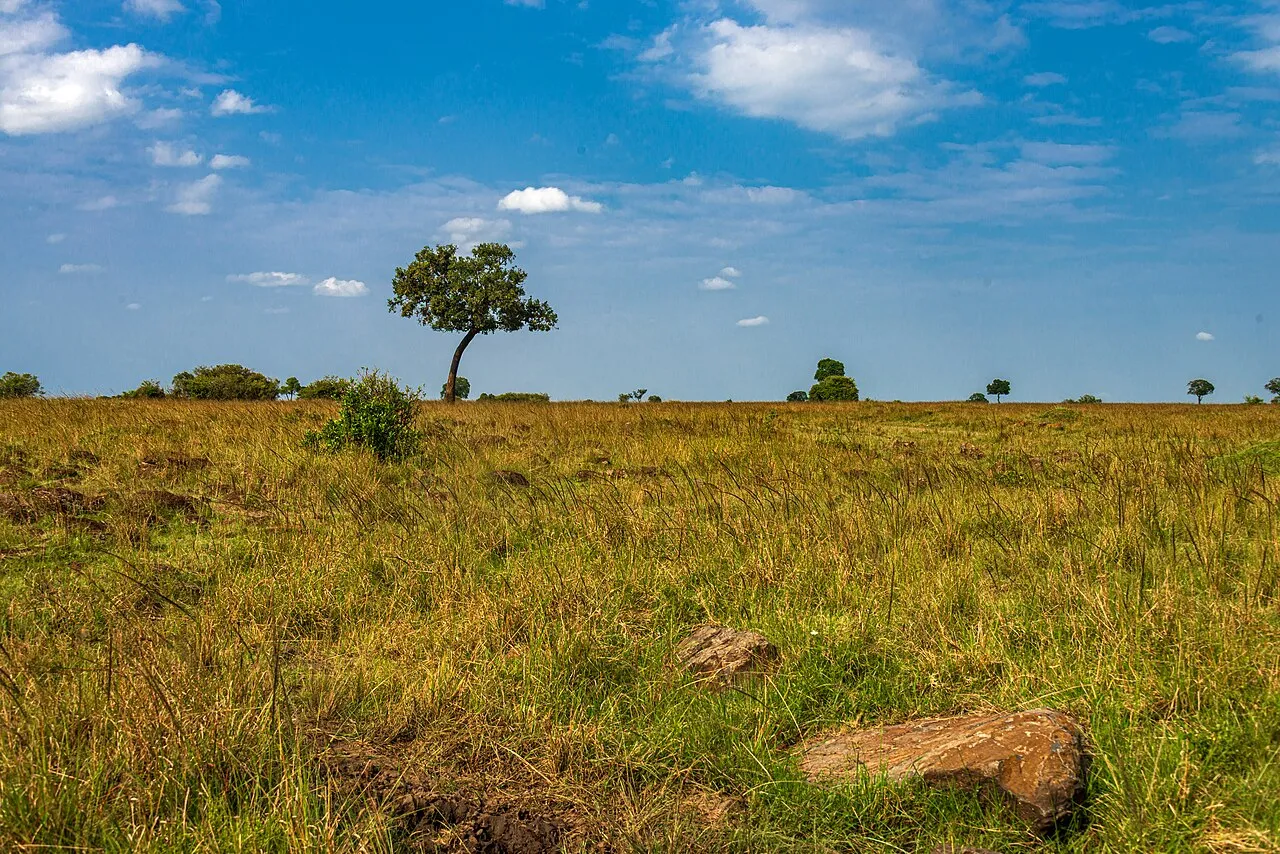
Neutral, earthy tones — khaki, olive, tan, brown and grey — blend into the bush and hide dust far longer than brighter clothing. Bright white shows every speck of dust almost immediately, dark blue and black attract tsetse flies in parts of the region, and camouflage patterns are best avoided since several countries restrict them to military use.
02
Layering through the day
A single game drive can span well over ten degrees of temperature change from dawn to midday.
- A warm fleece or light down jacket for the cold start
- A long-sleeved shirt for sun protection through the day
- Lightweight trousers that zip off or roll up as it warms
- A wide-brimmed hat with a chin strap for open vehicles
03
Footwear and evenings
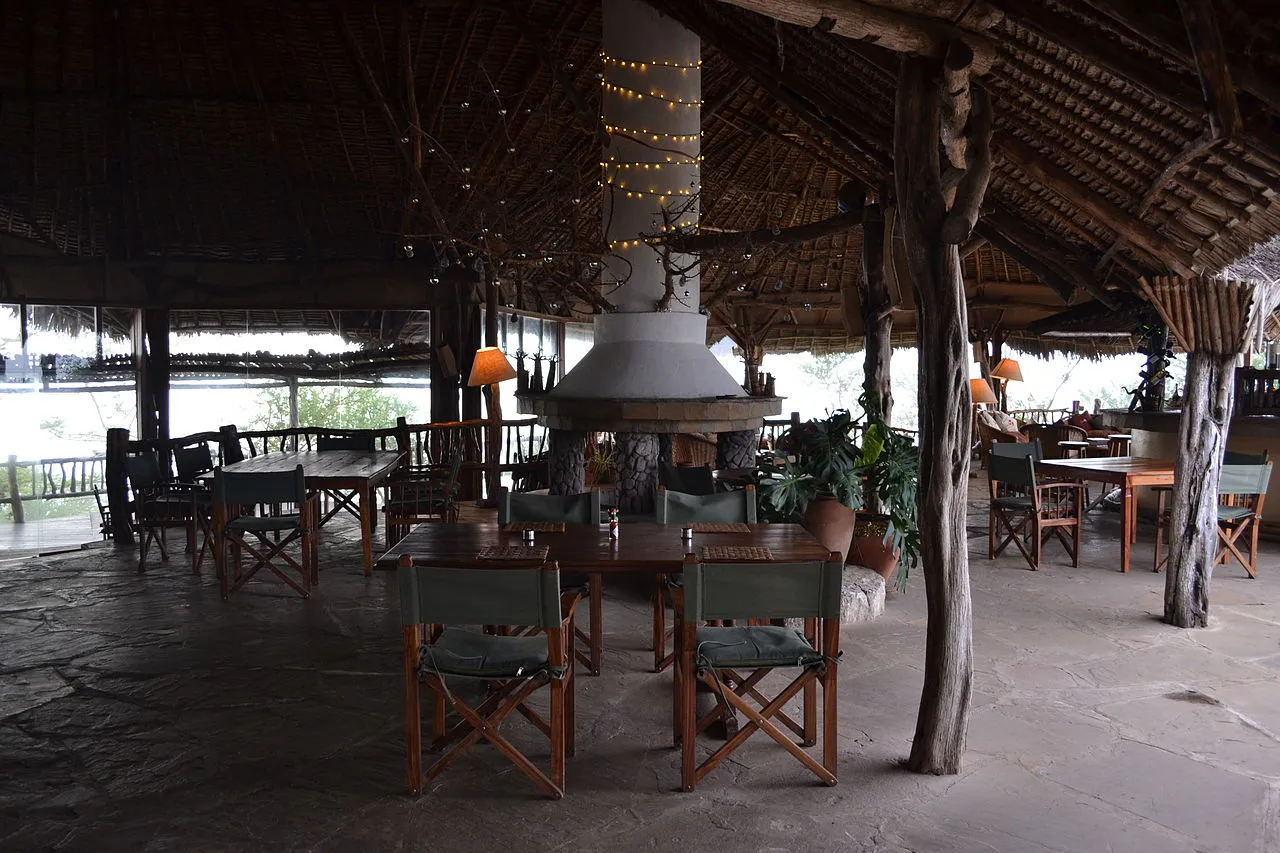
Comfortable closed shoes cover almost every situation; dedicated hiking boots are only necessary for gorilla trekking or serious walking safaris. Evenings at camp are smart-casual everywhere, and long sleeves help keep insects off after dark.
04
What not to bring
Hard-shell suitcases don't fit light-aircraft holds, plastic bags are banned outright in Kenya and Tanzania, and a large wardrobe is unnecessary given that most camps offer same-day laundry.
Dos
- Wear neutral colours — khaki, olive, sand
- Pack layers for cold early game drives
- Stay seated and keep voices low near animals
- Follow your guide's instructions at all times
- Drink plenty of water and use sunscreen
Don'ts
- Don't wear bright colours, white or camouflage
- Don't feed or call to animals
- Don't leave the vehicle unless your guide says so
- Don't use drones — they need special permits
- Don't bring plastic bags (banned in Kenya and Tanzania)
What's usually included
- Accommodation in your chosen level
- Meals as listed in your itinerary
- Game drives with a professional guide
- Park and conservancy entry fees
- Airport pick-up and drop-off
- Drinking water in the vehicle
Usually not included
- International flights
- Visa fees
- Travel insurance
- Tips for guides and camp staff
- Personal items and souvenirs
- Premium drinks unless all-inclusive
- Optional activities not in your itinerary
Keep exploring
Your trip price, without guesswork
Your accommodation and flights need a quote for your dates, room arrangement and availability. Compare the full journey total, not a nightly headline: meals, transport, guiding, entry fees and optional activities should be clear. Published tariffs may change; we reconfirm the applicable fees before you book.
Our editorial values
Original travel guidance by Dennis Njoroge, CEO of Perch Africa Safaris. Wildlife and weather are never guaranteed. Published fees link to their authority sources; camp and flight prices are confirmed for your own journey. You receive your full itinerary and matching proforma before payment.
Related on Perch Africa
Why settle for a brochure safari
Plan Tanzania travel with a team that plans it around you
- Private guide and vehicle
- Named stays and itemised costs
- Availability checked before confirmation
Planning what to wear on safari in kenya and tanzania?
Get a free, costed itinerary with real availability. No payment and no commitment until you are happy.
Frequently asked questions
Can I wear shorts on a game drive?
Yes during the heat of the day, though long trousers work better for sun protection, insects and any walking activity.
Do I need to buy specific 'safari brand' clothing?
No — any comfortable, neutral-coloured outdoor clothing performs just as well.
How much laundry access will I have?
Most camps offer daily laundry, so packing for four or five days rather than a full two-week trip is usually enough.