
01
January to March
Hot, dry and clear. Calving on the southern Serengeti plains brings the year's most concentrated predator action. Excellent for Amboseli elephants and for the Kenyan coast.
Safari guide
There is no bad month in East Africa — only months that suit different trips.
Private guide & vehicle
Never shared with strangers
Park fees in the price
Line-by-line proforma
Real camp availability
Checked before we quote
50% deposit secures it
Balance paid closer to travel
East Africa sits on the equator, so temperature barely changes across the year. What changes is rain, and rain changes grass, grass changes where the animals stand, and that changes what you see.
Two dry seasons and two rainy ones drive the calendar: the long rains in April and May, the short rains in November, and dry windows from June to October and from late December to March.
01
Hot, dry and clear. Calving on the southern Serengeti plains brings the year's most concentrated predator action. Excellent for Amboseli elephants and for the Kenyan coast.
02
The long rains. Landscapes are green and empty, rates drop sharply, and some camps close. Roads in the southern Tanzanian parks can be difficult; fly-in itineraries handle it best.
03
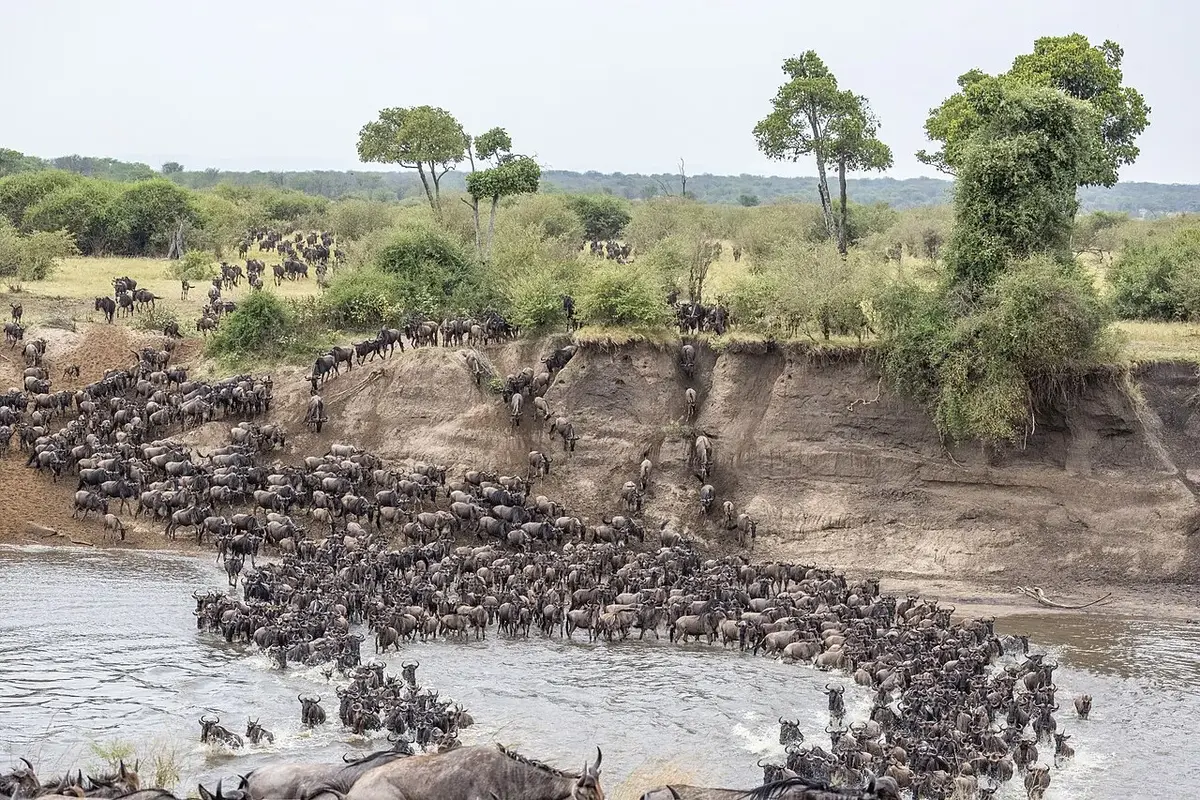
The main dry season and peak season. Grass is short, water is scarce and wildlife concentrates. Mara and Grumeti river crossings run from roughly July through October. Book ten to twelve months ahead.
04
Short rains in November bring afternoon showers, green backdrops and shoulder pricing. From mid-December the festive season fills camps and rates climb to their annual peak.
05
Bwindi and Volcanoes can be trekked year-round. June to September and December to February are drier and the trails firmer; March to May is wet, muddy and considerably quieter.
06
If you only care about one thing, the month picks itself.
Get a free, costed itinerary with real availability. No payment and no commitment until you are happy.
Your safari, by season
Fresh southern grass, newborn calves, northern rivers. The migration follows rain and grazing—not a fixed timetable.
January · Tanzania
If your idea of a safari is a horizon filled with wildebeest, start in the south. When the short rains have brought fresh grass, the herds gather around Ndutu and the southern plains. You may see the first newborn calves, but the main calving pulse usually comes later.
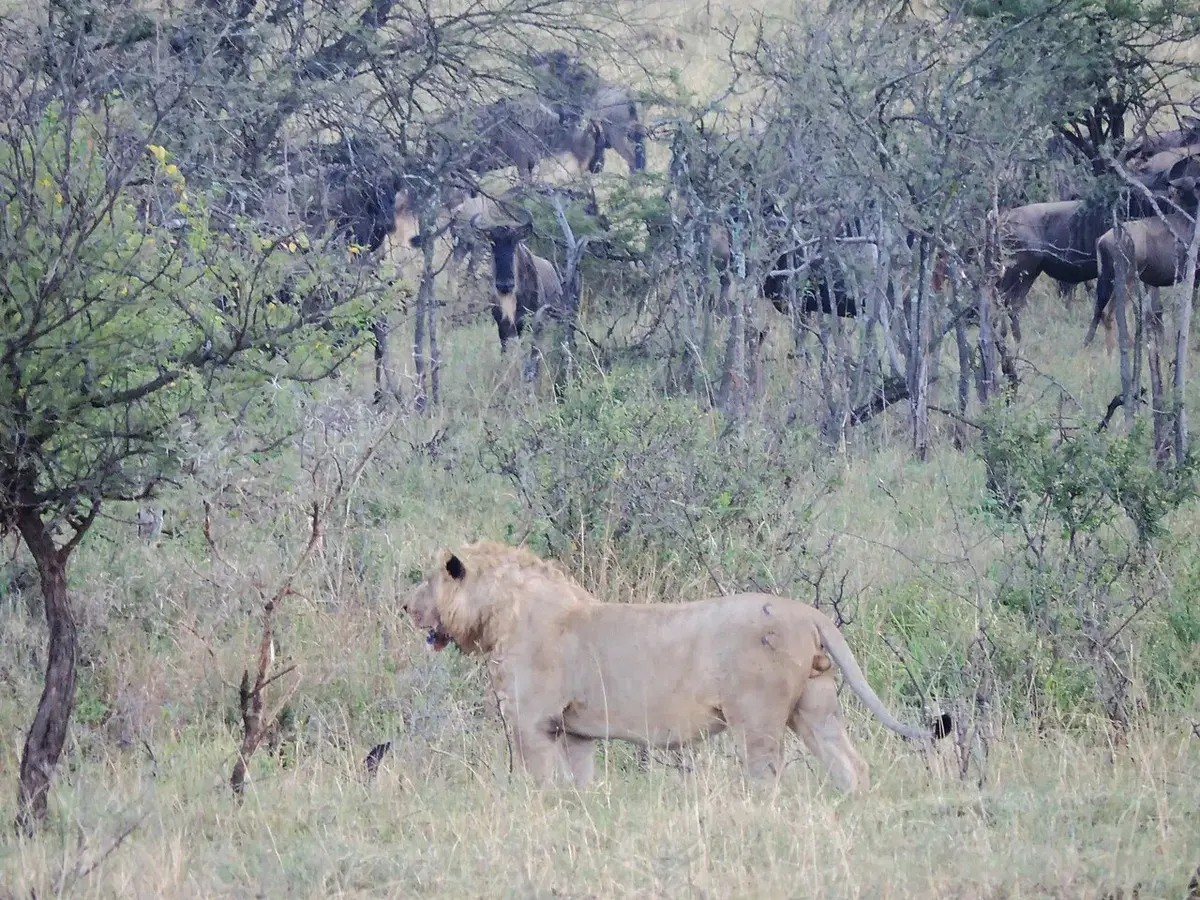
Southern Serengeti & Ndutu
Choose a camp's southern seasonal location, not simply a Serengeti address. A northern camp can leave you a very long way from the action.
Why settle for a brochure safari
Simple, no obligation
Dates, who is travelling, budget and what you most want to see. Two minutes in the planner or a short message.
A day-by-day route with named camps, flights, park fees and a clear total — plus alternatives if dates are tight.
Change anything until it feels right. A 50% deposit holds your camps; nothing is booked until you say so.
Yes. You receive a costed, day-by-day itinerary with no payment and no obligation. You only pay once you decide to secure the trip.
Accommodation, meals as listed, your private guide and vehicle, park and conservancy fees and the transfers or flights shown. Every inclusion and exclusion is listed line by line on your proforma.
A 50% deposit holds your camps and flights. The balance is due closer to departure, and we send reminders well ahead of the due date.
Anything can change before you book: camps, number of nights, the order of parks, adding a beach finish or switching between luxury and ultra-luxury.
No. Every journey is private — your own guide and vehicle, leaving when you are ready and stopping when you want.
Tell us your dates, your travelling party and your budget and we will come back with a costed itinerary, real camp availability and a clear price — no templates.
Not every safari company. The safari company.
Anyone can send you a brochure. We build your journey with named stays, verified availability and every cost shown before you commit — then save the finest sighting for your final golden hour.
01
Your dates, pace, interests and budget shape the route. We order every stop logically and keep the strongest experience for the finish.
02
Your safari is not a shared departure. Leave when you are ready, stay longer at a sighting and adjust each day with your guide.
03
You see the proposed camps, transfers, flights, park fees, inclusions and exclusions before you decide—not just a headline price.
04
Suggested stays remain suggestions until checked. We verify the space for your dates before issuing the booking offer.
05
Change the route, number of nights, camp level or transport until the journey fits. Nothing is booked until you approve it.
06
The itinerary, quote and booking details stay aligned. A 50% deposit secures the approved trip, with the balance paid closer to travel.