Serengeti National Park: the complete safari guide
The Serengeti is roughly the size of a small country, so where and when you stay matters as much as the park's reputation suggests.
Serengeti Safari · Tanzania safari packages · Tanzania safari holidays
Where you stay in the Serengeti matters as much as how long you stay. At nearly 15,000 square kilometres, the Serengeti is too large to experience from a single base, and its character changes completely from one region and season to the next.
This guide breaks the park into its four main regions and matches each to the months it suits best.
The four regions compared
| Region | Peak months | Known for |
|---|---|---|
| Southern Serengeti/Ndutu | January–March | Calving season, open plains |
| Northern Serengeti | July–October | Mara River crossings |
| Western Corridor | May–June | Early crossings, river forest |
Highlights
- Southern Serengeti and Ndutu
- Central Serengeti (Seronera)
- Western Corridor
- Northern Serengeti
- Avoiding the crowds
01
Southern Serengeti and Ndutu
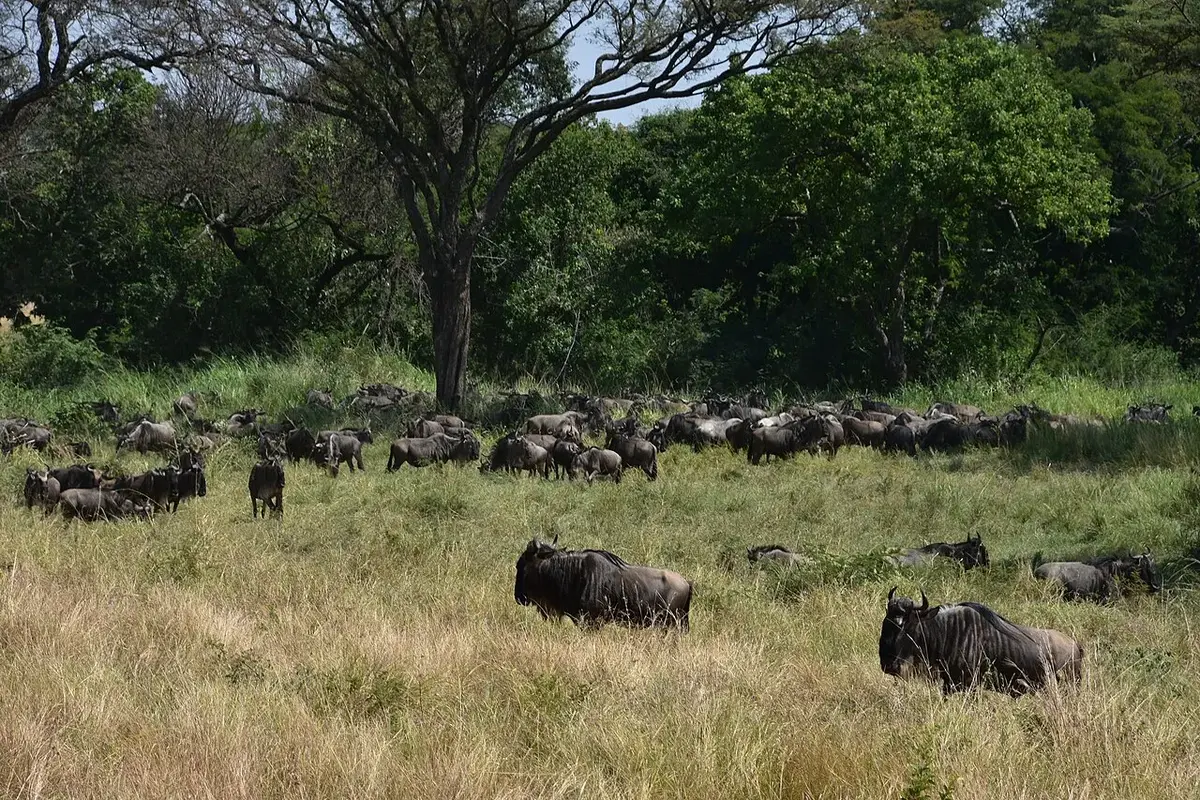
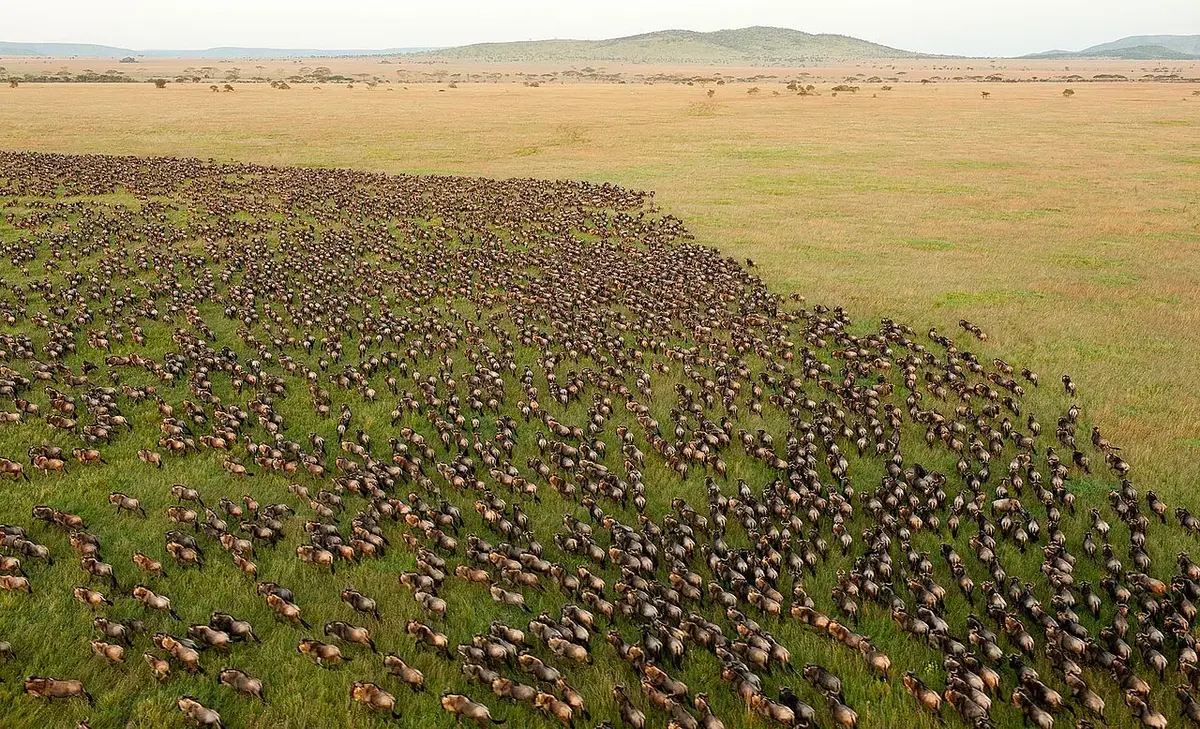
Open short-grass plains where the migration calves roughly between December and March. Expansive views and intense predator activity make this the region of choice for that window, with January to March the strongest months.
02
Central Serengeti (Seronera)
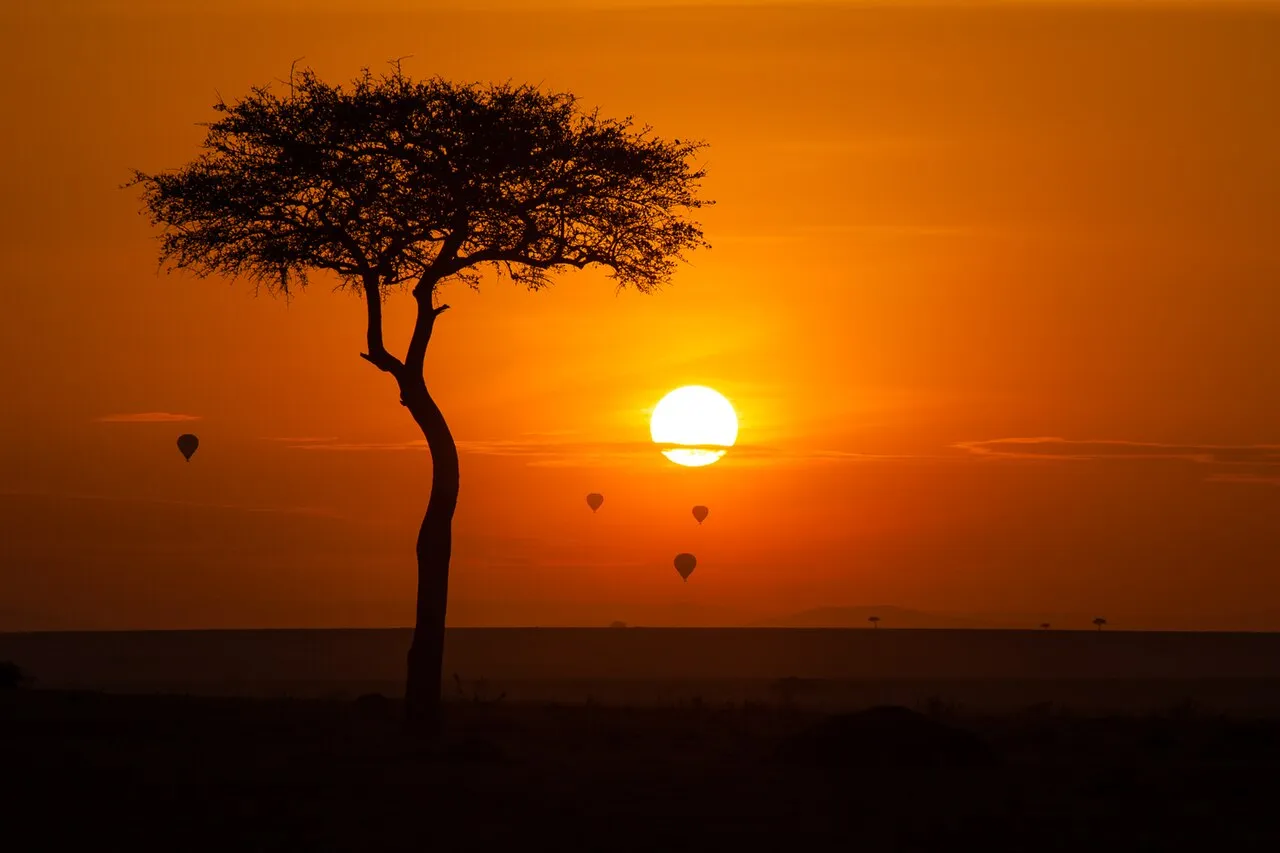
Resident lion and leopard populations give you reasons to consider this area year-round, though sightings remain unpredictable. Central areas can be busy; April, May and November often bring a quieter atmosphere alongside rain.
03
Western Corridor
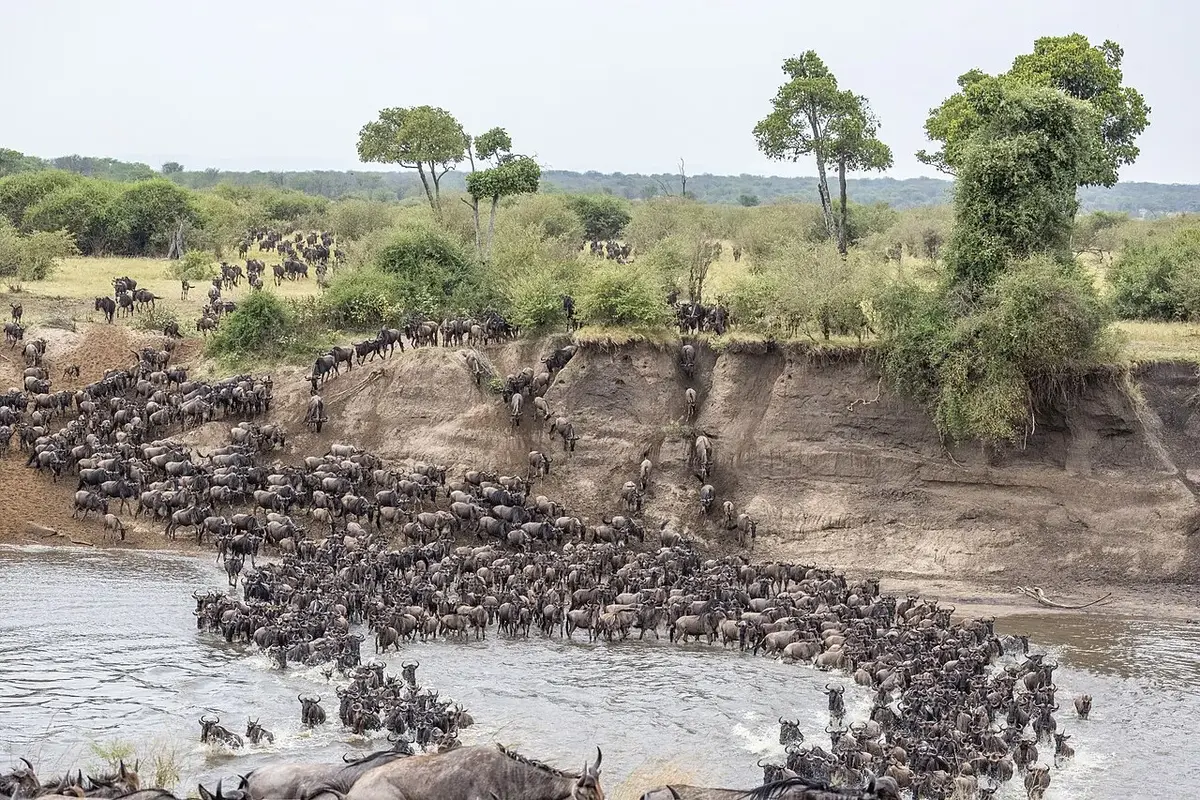
Riverine forest along the Grumeti River, where the migration typically passes through in May and June, bringing with it dramatic river crossings, crocodile activity, and a noticeably lighter camp and vehicle count than the north.
04
Northern Serengeti
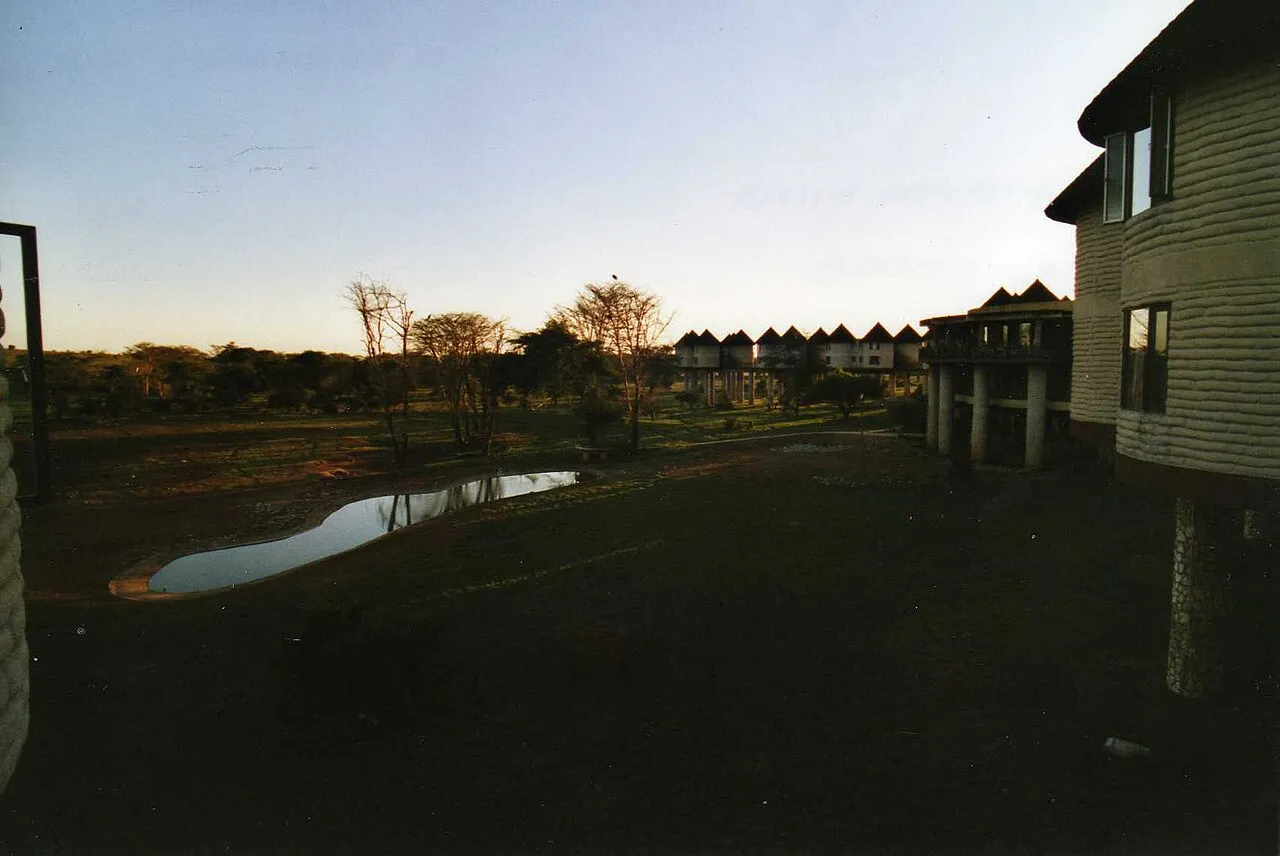
Rolling country around the Mara River that hosts the famous crossings roughly from July to October. It's the most in-demand, most remote part of the park in that window, and camps here need booking nine to twelve months ahead.
05
Avoiding the crowds
Private concessions bordering the park allow off-road driving and night drives, visiting in the green season sidesteps the worst of the crowds, and splitting a stay between two regions beats trying to day-trip across the whole park.
Dos
- Wear neutral colours — khaki, olive, sand
- Pack layers for cold early game drives
- Stay seated and keep voices low near animals
- Follow your guide's instructions at all times
- Drink plenty of water and use sunscreen
Don'ts
- Don't wear bright colours, white or camouflage
- Don't feed or call to animals
- Don't leave the vehicle unless your guide says so
- Don't use drones — they need special permits
- Don't bring plastic bags (banned in Kenya and Tanzania)
What's usually included
- Accommodation in your chosen level
- Meals as listed in your itinerary
- Game drives with a professional guide
- Park and conservancy entry fees
- Airport pick-up and drop-off
- Drinking water in the vehicle
Usually not included
- International flights
- Visa fees
- Travel insurance
- Tips for guides and camp staff
- Personal items and souvenirs
- Premium drinks unless all-inclusive
- Optional activities not in your itinerary
Keep exploring
Published fees to plan around
Sources checked 7 October 2026 · US dollars · fees only, not full safari prices
| Fee | Published amount | Who and when |
|---|---|---|
| Ngorongoro Conservation Area · adult entry | US$70.80 | Non-East African citizen aged 16 or above, per person. Published permit is valid for one entry within 24 hours. Accommodation and vehicle charges are separate.Ngorongoro Conservation Area Authority tariffs |
| Ngorongoro · crater service | US$295 | Non-East African citizens, per vehicle per crater trip, not per person. This is additional to conservation-area entry.Ngorongoro Conservation Area Authority tariffs |
Your accommodation and flights need a quote for your dates, room arrangement and availability. Compare the full journey total, not a nightly headline: meals, transport, guiding, entry fees and optional activities should be clear. Published tariffs may change; we reconfirm the applicable fees before you book.
Our editorial values
Original travel guidance by Dennis Njoroge, CEO of Perch Africa Safaris. Wildlife and weather are never guaranteed. Published fees link to their authority sources; camp and flight prices are confirmed for your own journey. You receive your full itinerary and matching proforma before payment.
Related on Perch Africa
Why settle for a brochure safari
Plan Tanzania travel with a team that plans it around you
- Private guide and vehicle
- Named stays and itemised costs
- Availability checked before confirmation
Planning serengeti national park: the complete safari guide?
Get a free, costed itinerary with real availability. No payment and no commitment until you are happy.
Frequently asked questions
How many nights should I plan in the Serengeti?
Four nights at minimum, ideally split between two regions, since the park is too large to appreciate from one lodge alone.
When does the Serengeti offer the best value?
April, May and November, when a number of camps drop into lower-season rates.
Will I see all of the Big Five in the Serengeti?
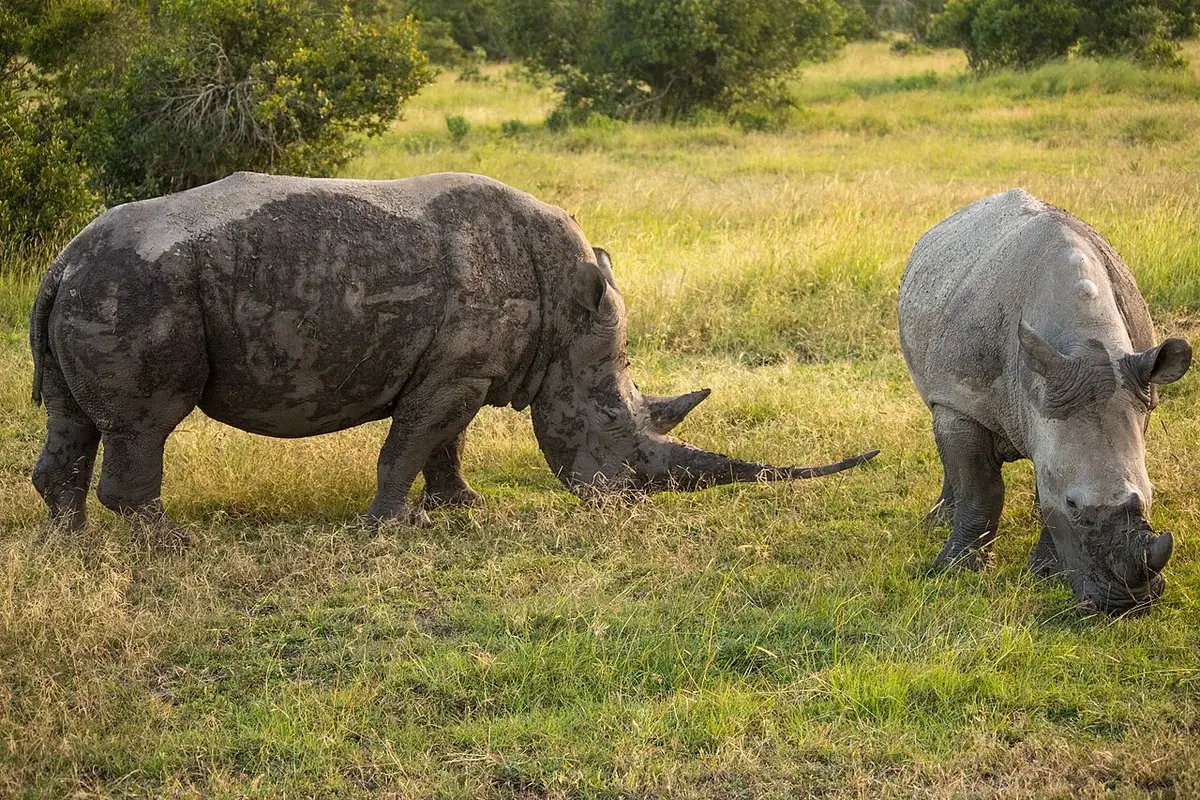
Likely yes for four of them, though black rhino are genuinely rare here — Ngorongoro Crater is the better bet for rhino.