Kenya vs Tanzania for safari: an honest comparison
Kenya or Tanzania is usually the first real decision a safari traveller faces. Both are outstanding; the right choice depends on your budget, timeframe and what kind of trip you want.
Kenya and Tanzania Safari · Kenya safari holidays · Tanzania safari holidays
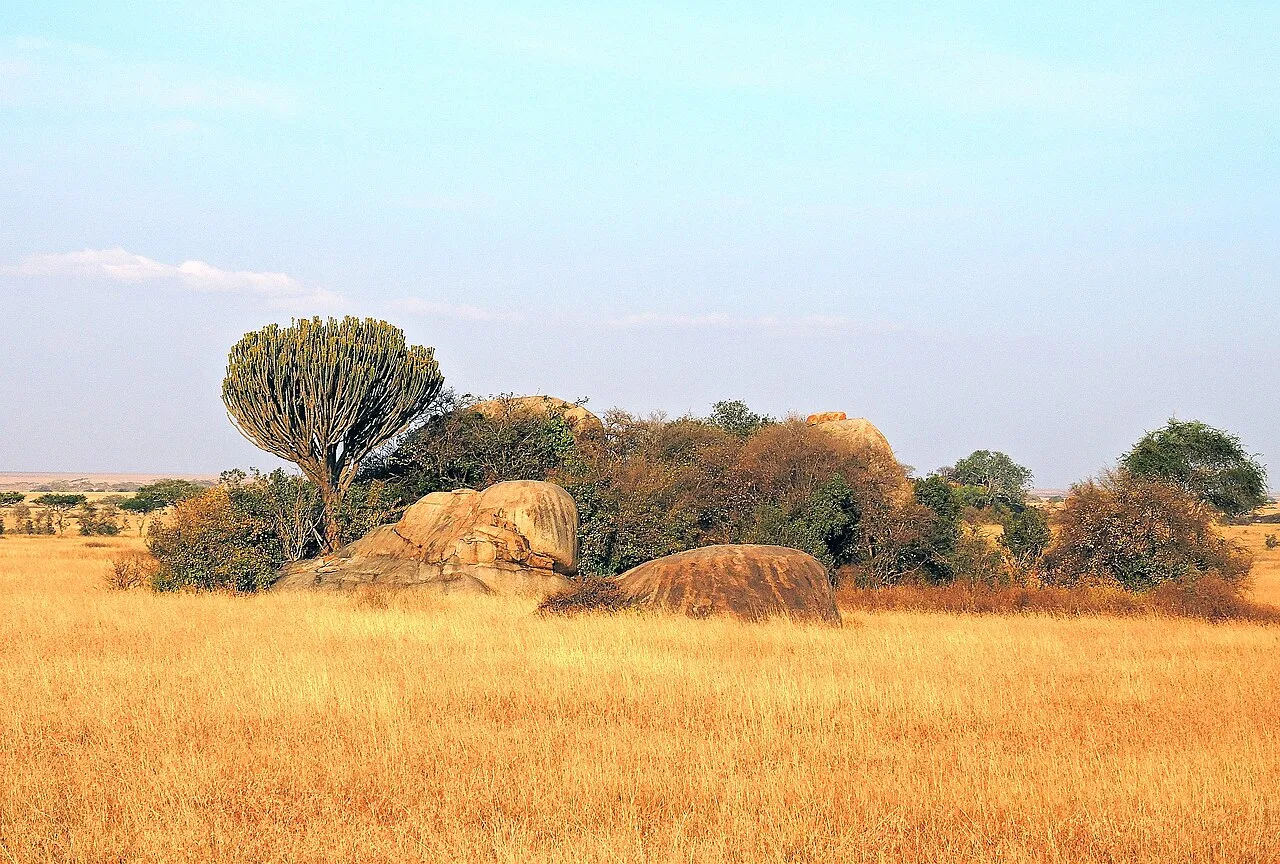
Kenya and Tanzania share the same great wildlife ecosystem, so choosing between them is less about which has better animals and more about which style of trip suits you. Cost, crowd levels and travel logistics all tilt the decision in different directions depending on what matters most to you.
Here is a straightforward comparison of the two.
Kenya and Tanzania safaris compared
| Factor | Kenya | Tanzania |
|---|---|---|
| Typical cost level | Depends on route, season and inclusions | Depends on route, season and inclusions |
| Park fee structure | Lower in many cases | Higher conservation fees |
| Feel on the ground | Compact reserves, conservancies offer privacy | Larger, wilder landscapes overall |
Highlights
- Wildlife and landscape differences
- What each country costs to visit
- Crowds and the overall feel
01
Wildlife and landscape differences
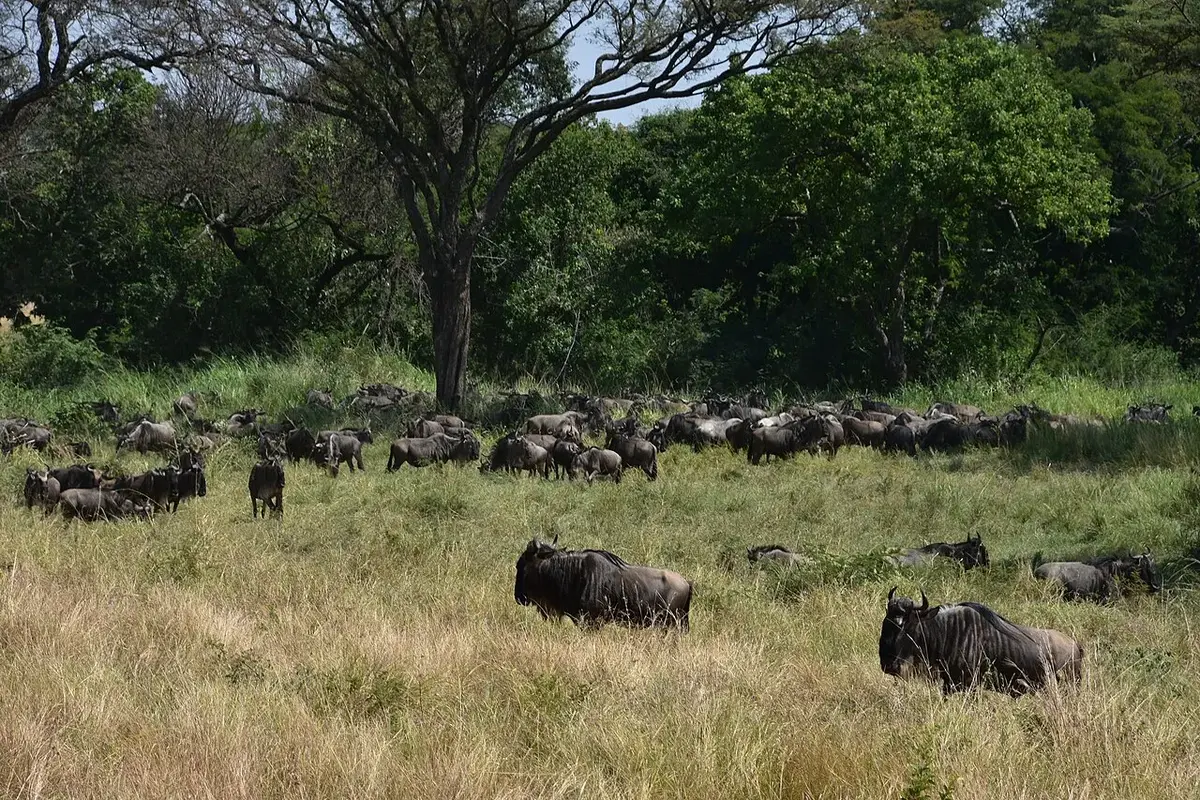
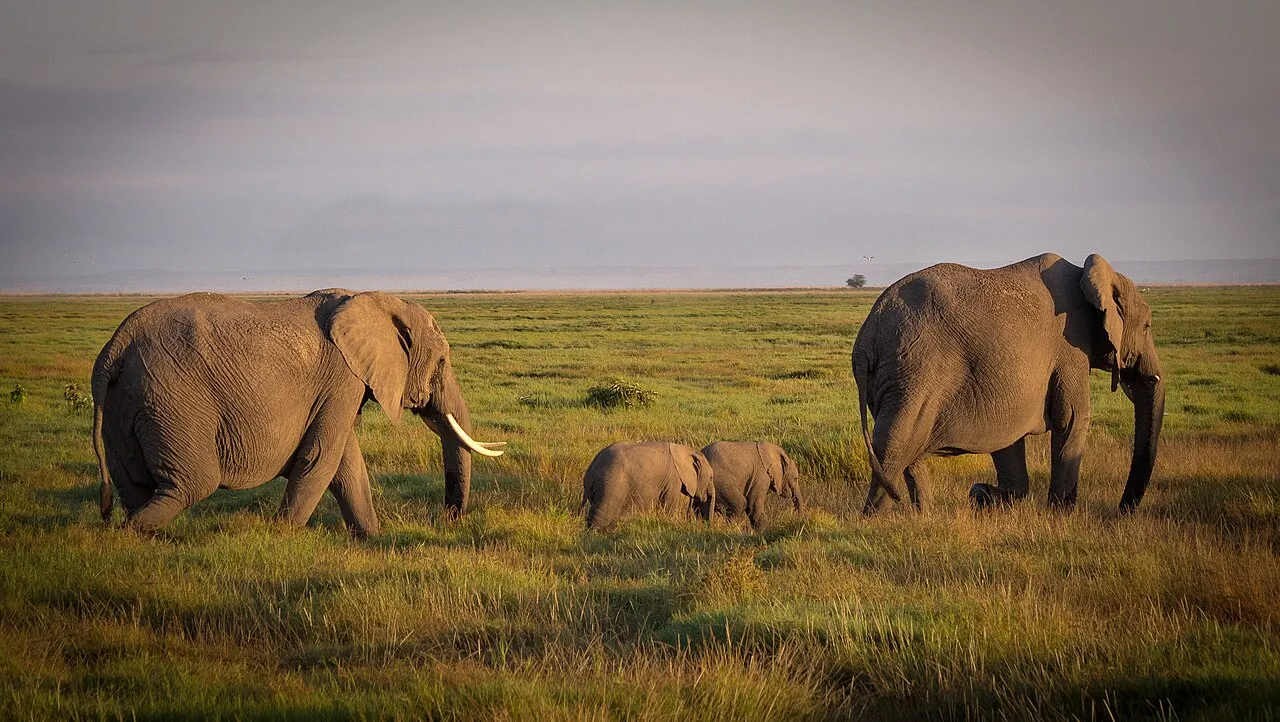
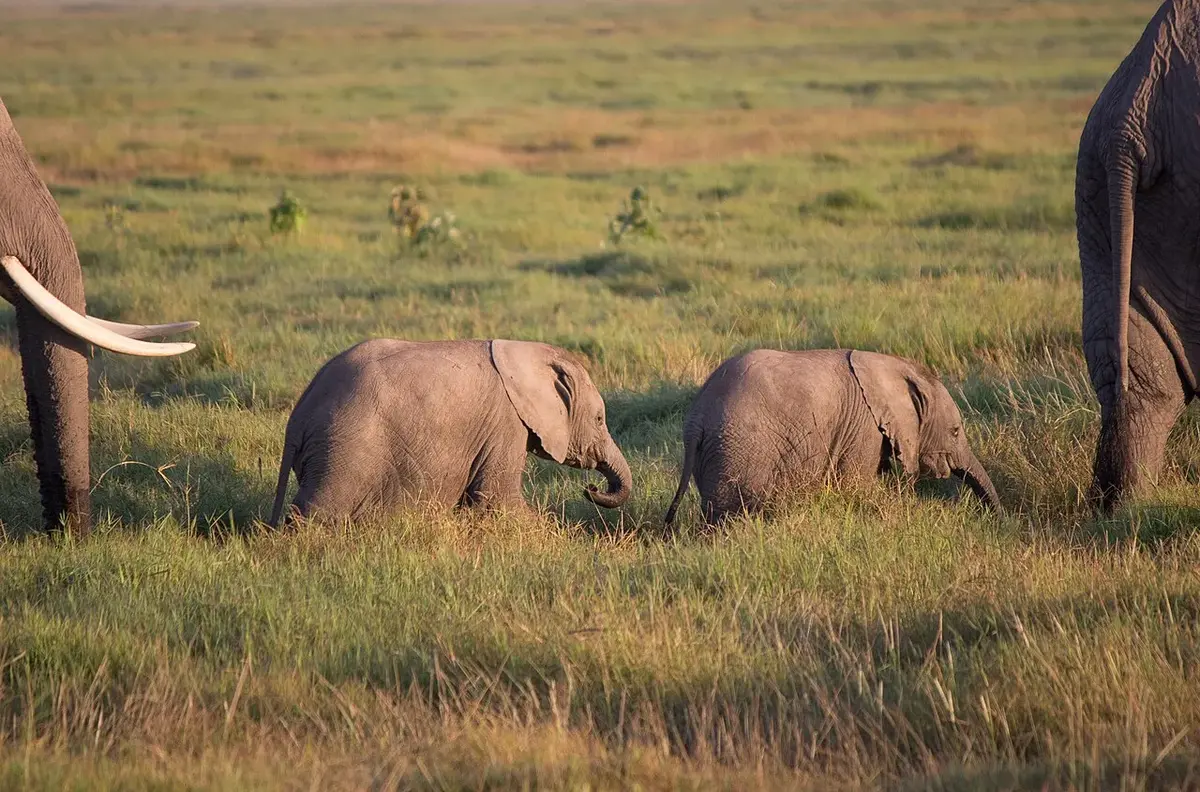
Both countries share the Serengeti-Mara ecosystem, so headline wildlife overlaps heavily. Kenya adds Amboseli's elephant herds, Samburu's distinctive northern species and the conservation-focused landscapes of Laikipia.
Tanzania contributes the vast southern Serengeti plains, the dramatic Ngorongoro Crater, and far less-visited southern parks such as Ruaha and Nyerere for travellers wanting more remote terrain.
02
What each country costs to visit
Both countries offer different accommodation tiers, and neither is automatically cheaper. Your season, route, entry fees and choice of road or air transfers determine the total. Compare quotes for the same number of nights and inclusions rather than assuming one country always costs less.
03
Crowds and the overall feel
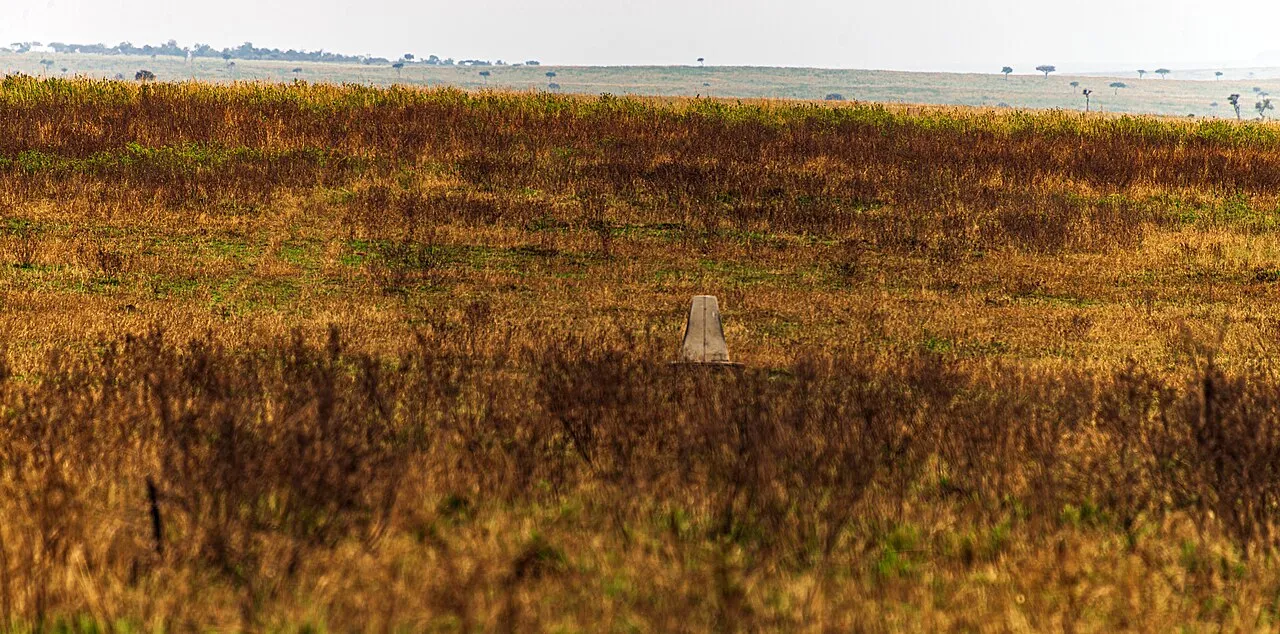
Kenya's best-known reserves are compact and can feel busy in peak season, although its private conservancies offer a genuine escape from that. Tanzania feels larger and wilder overall, though its own northern hotspots are far from empty during the busiest months.
Dos
- Wear neutral colours — khaki, olive, sand
- Pack layers for cold early game drives
- Stay seated and keep voices low near animals
- Follow your guide's instructions at all times
- Drink plenty of water and use sunscreen
Don'ts
- Don't wear bright colours, white or camouflage
- Don't feed or call to animals
- Don't leave the vehicle unless your guide says so
- Don't use drones — they need special permits
- Don't bring plastic bags (banned in Kenya and Tanzania)
What's usually included
- Accommodation in your chosen level
- Meals as listed in your itinerary
- Game drives with a professional guide
- Park and conservancy entry fees
- Airport pick-up and drop-off
- Drinking water in the vehicle
Usually not included
- International flights
- Visa fees
- Travel insurance
- Tips for guides and camp staff
- Personal items and souvenirs
- Premium drinks unless all-inclusive
- Optional activities not in your itinerary
Keep exploring
Published fees to plan around
Sources checked 7 October 2026 · US dollars · fees only, not full safari prices
| Fee | Published amount | Who and when |
|---|---|---|
| Ngorongoro Conservation Area · adult entry | US$70.80 | Non-East African citizen aged 16 or above, per person. Published permit is valid for one entry within 24 hours. Accommodation and vehicle charges are separate.Ngorongoro Conservation Area Authority tariffs |
| Ngorongoro · crater service | US$295 | Non-East African citizens, per vehicle per crater trip, not per person. This is additional to conservation-area entry.Ngorongoro Conservation Area Authority tariffs |
Your accommodation and flights need a quote for your dates, room arrangement and availability. Compare the full journey total, not a nightly headline: meals, transport, guiding, entry fees and optional activities should be clear. Published tariffs may change; we reconfirm the applicable fees before you book.
Our editorial values
Original travel guidance by Dennis Njoroge, CEO of Perch Africa Safaris. Wildlife and weather are never guaranteed. Published fees link to their authority sources; camp and flight prices are confirmed for your own journey. You receive your full itinerary and matching proforma before payment.
Related on Perch Africa
Why settle for a brochure safari
Plan Tanzania travel with a team that plans it around you
- Private guide and vehicle
- Named stays and itemised costs
- Availability checked before confirmation
Planning kenya vs tanzania for safari: an honest comparison?
Get a free, costed itinerary with real availability. No payment and no commitment until you are happy.
Frequently asked questions
Which country works out cheaper for safari?
Kenya, in most cases, thanks to more competition among camps and more straightforward logistics that keep overall costs lower.
Which country has better wildlife?
Neither clearly outranks the other, since they share much of the same ecosystem. The real differences lie in landscape, scale and how crowded things feel, not the animals themselves.
Is it possible to combine both countries on one trip?
Yes, and it's a common choice; plenty of itineraries cross between the Mara and the Serengeti within a single trip.