Solo safari travel: how to do it well
Structured days, sociable camps and plenty of company when you want it make safari one of the more forgiving solo trips. Here is how to plan one sensibly.
African Safari Holidays · Kenya safari · Tanzania safari
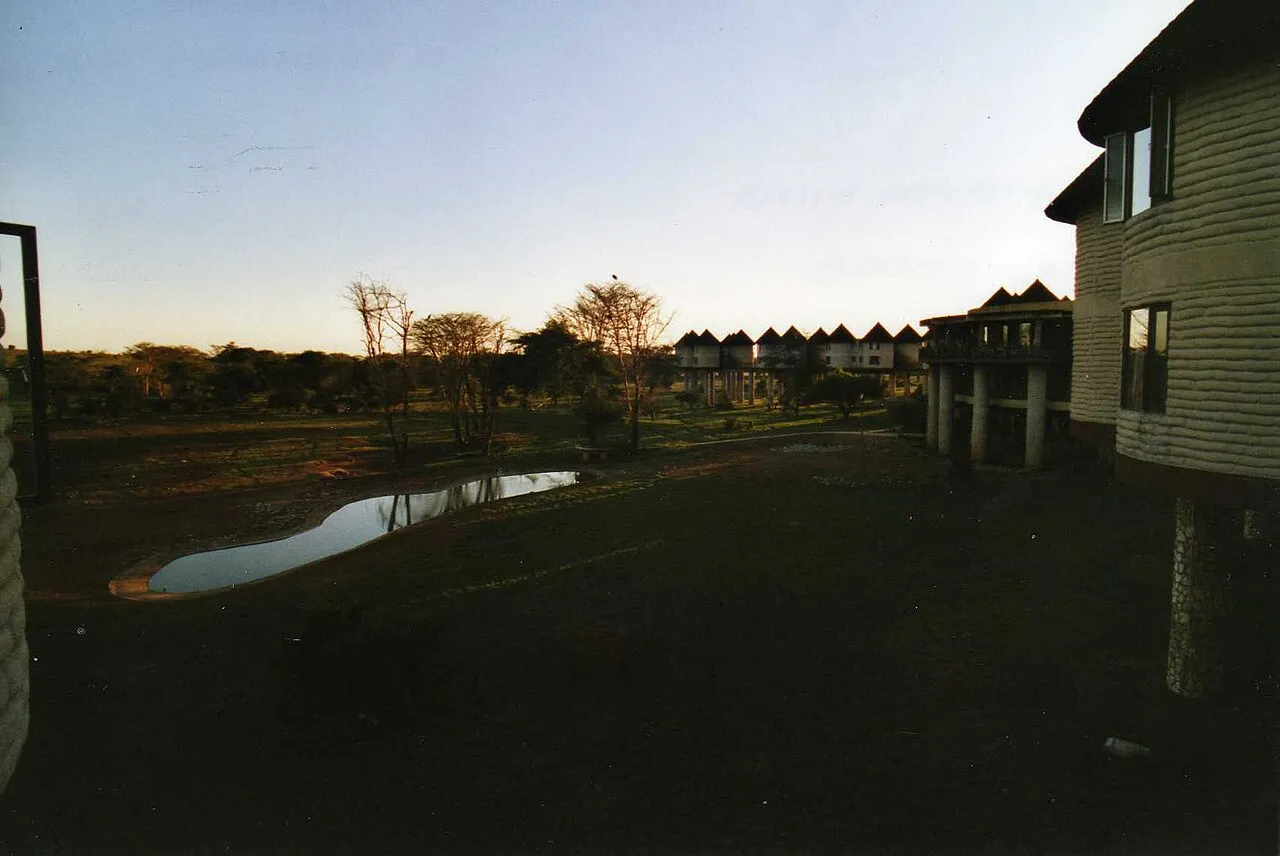
Travelling alone on safari works better than many people expect, because the structure of each day, with set drive times and communal dining, naturally puts you among other guests and guides. The result is a trip that can feel social whenever you want and quietly solitary whenever you don't.
Here is how to plan a solo trip that avoids the usual pitfalls and keeps the budget sensible.
Shared versus private vehicle for solo travellers
| Option | Cost | Experience |
|---|---|---|
| Shared vehicle | Lower | More company, fixed group pace |
| Private vehicle | Higher | Full flexibility, quieter experience |
| Small-group departure | Mid-range | Built-in companions, structured schedule |
Highlights
- Dealing with the single supplement
- Shared versus private vehicles
- Safety on the ground
01
Dealing with the single supplement
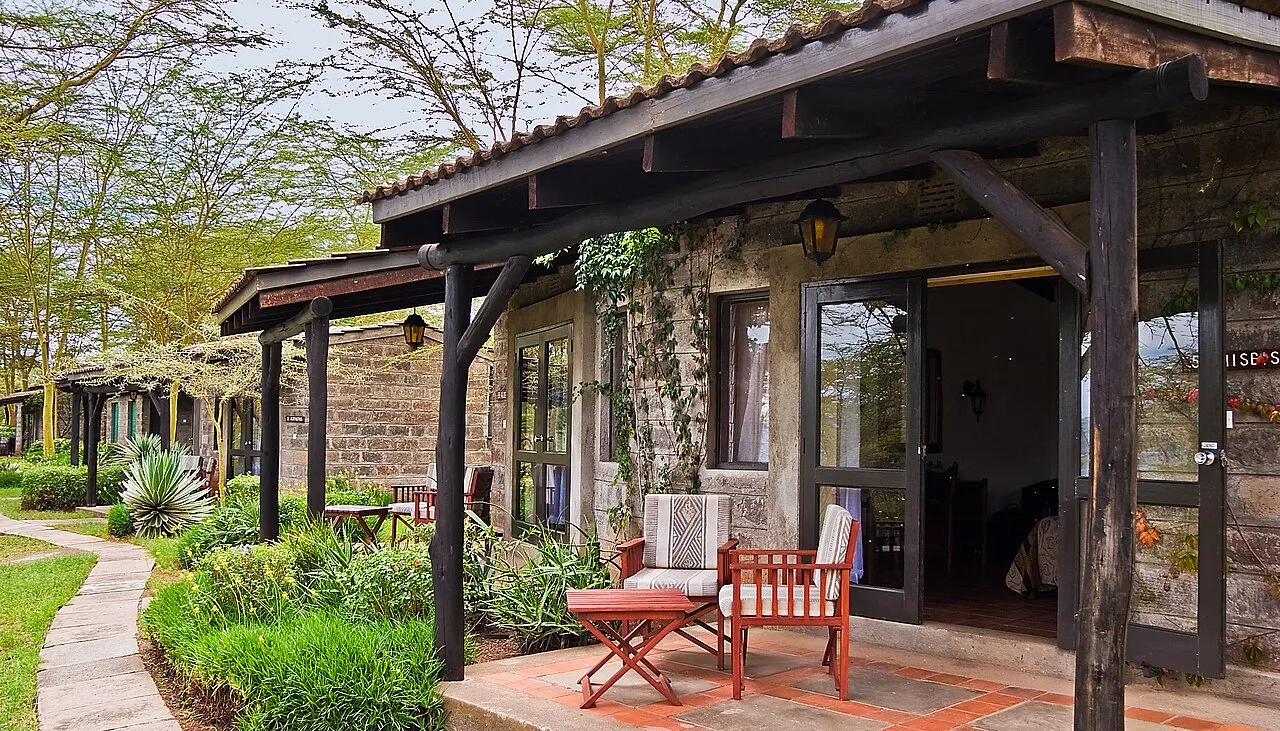
Most camps add a surcharge for guests travelling without sharing a room, though many reduce or waive it during green season, and a few never charge it at all. Knowing which camps fall into that category before you book can make a real difference to the overall cost.
02
Shared versus private vehicles
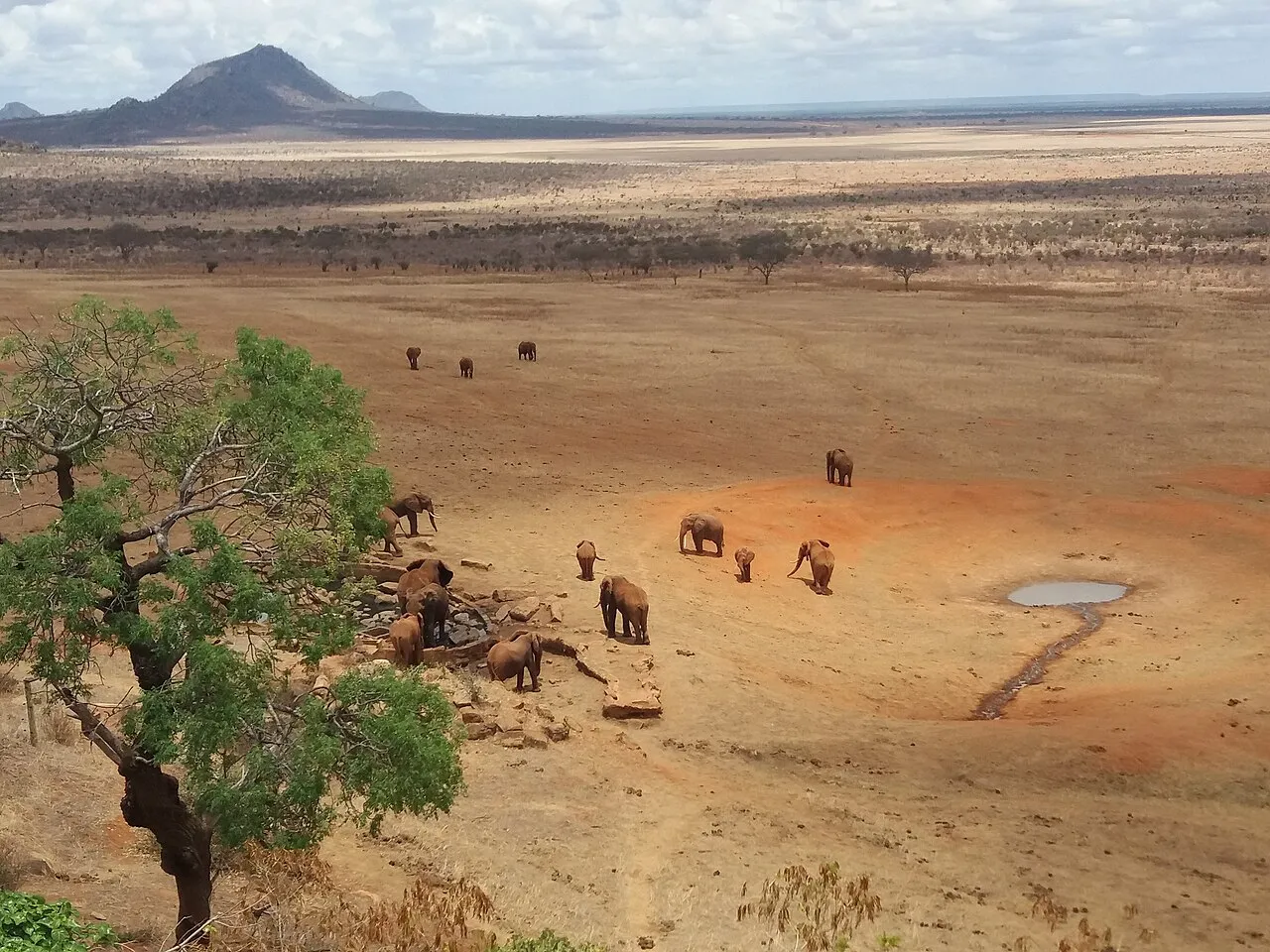
Joining a shared vehicle at camp keeps costs down and often leads to genuine friendships formed over a few days of game drives together. A private vehicle costs more but gives complete control over timing and where you linger.
03
Safety on the ground
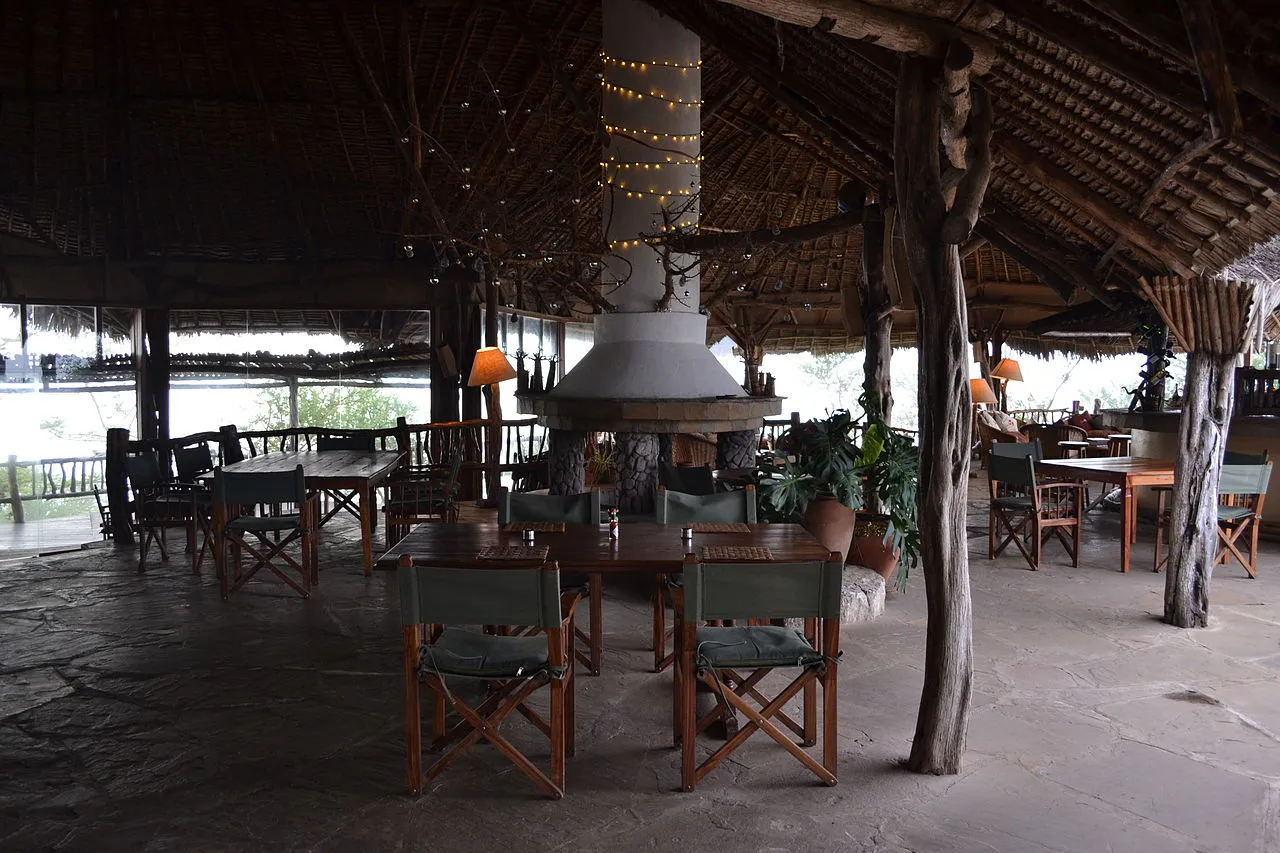
Once on safari, you are accompanied from airstrip to airstrip by guides and camp staff, making it a well-supported way to travel solo through the region. Cities before and after the safari call for the same everyday awareness you would use anywhere, and arranging trusted transfers in advance removes most of the guesswork.
Dos
- Wear neutral colours — khaki, olive, sand
- Pack layers for cold early game drives
- Stay seated and keep voices low near animals
- Follow your guide's instructions at all times
- Drink plenty of water and use sunscreen
Don'ts
- Don't wear bright colours, white or camouflage
- Don't feed or call to animals
- Don't leave the vehicle unless your guide says so
- Don't use drones — they need special permits
- Don't bring plastic bags (banned in Kenya and Tanzania)
What's usually included
- Accommodation in your chosen level
- Meals as listed in your itinerary
- Game drives with a professional guide
- Park and conservancy entry fees
- Airport pick-up and drop-off
- Drinking water in the vehicle
Usually not included
- International flights
- Visa fees
- Travel insurance
- Tips for guides and camp staff
- Personal items and souvenirs
- Premium drinks unless all-inclusive
- Optional activities not in your itinerary
Keep exploring
Your trip price, without guesswork
Your accommodation and flights need a quote for your dates, room arrangement and availability. Compare the full journey total, not a nightly headline: meals, transport, guiding, entry fees and optional activities should be clear. Published tariffs may change; we reconfirm the applicable fees before you book.
Our editorial values
Original travel guidance by Dennis Njoroge, CEO of Perch Africa Safaris. Wildlife and weather are never guaranteed. Published fees link to their authority sources; camp and flight prices are confirmed for your own journey. You receive your full itinerary and matching proforma before payment.
Related on Perch Africa
Why settle for a brochure safari
Plan Kenya travel with a team that plans it around you
- Private guide and vehicle
- Named stays and itemised costs
- Availability checked before confirmation
Planning solo safari travel: how to do it well?
Get a free, costed itinerary with real availability. No payment and no commitment until you are happy.
Frequently asked questions
Is travelling on safari alone lonely?
Rarely; camp life tends to be communal and game drives are shared with other guests, while private moments are still easy to find when you want them.
How much more does travelling solo cost?
Your single-room supplement depends on the camp, season and room category. Ask for the exact supplement alongside the sharing rate; do not assume a fixed percentage.
Is it safe for women travelling alone?
Plan with a reputable operator, follow your guide’s instructions and check current government travel advice. Wildlife, remote travel and trekking carry risks; discuss your health, mobility and emergency cover before booking.