Great Migration river crossings: how to see one
Watching wildebeest plunge into the Mara River is one of Africa's great wildlife spectacles, but seeing one takes the right timing, location and patience.
Great Migration Safari · wildebeest migration · Serengeti safari
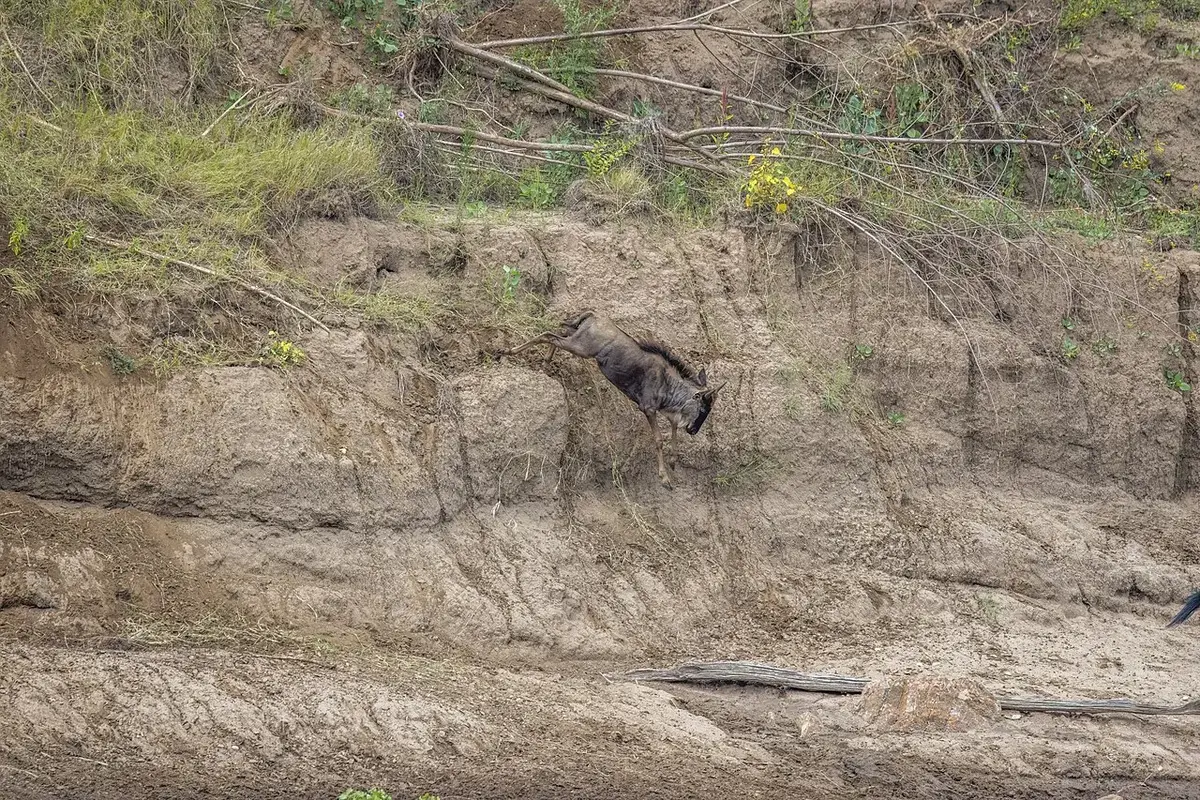
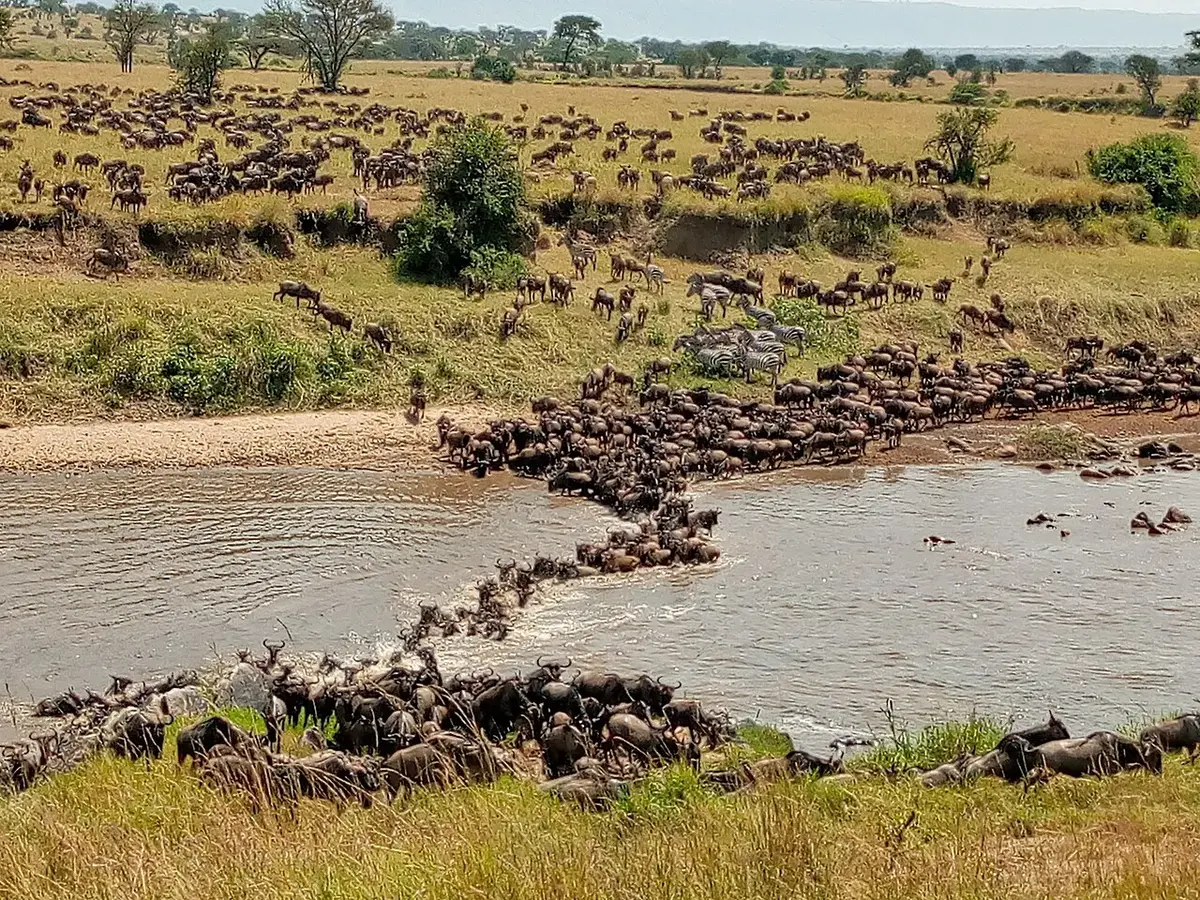
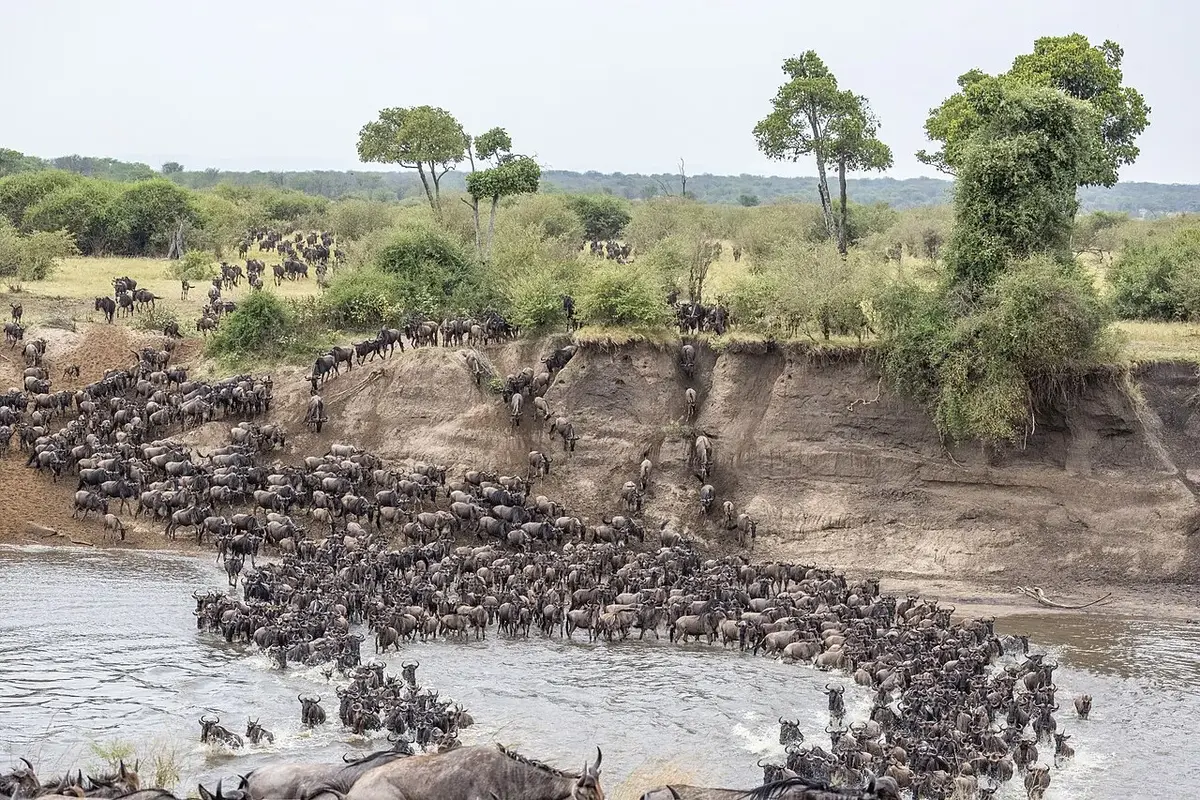
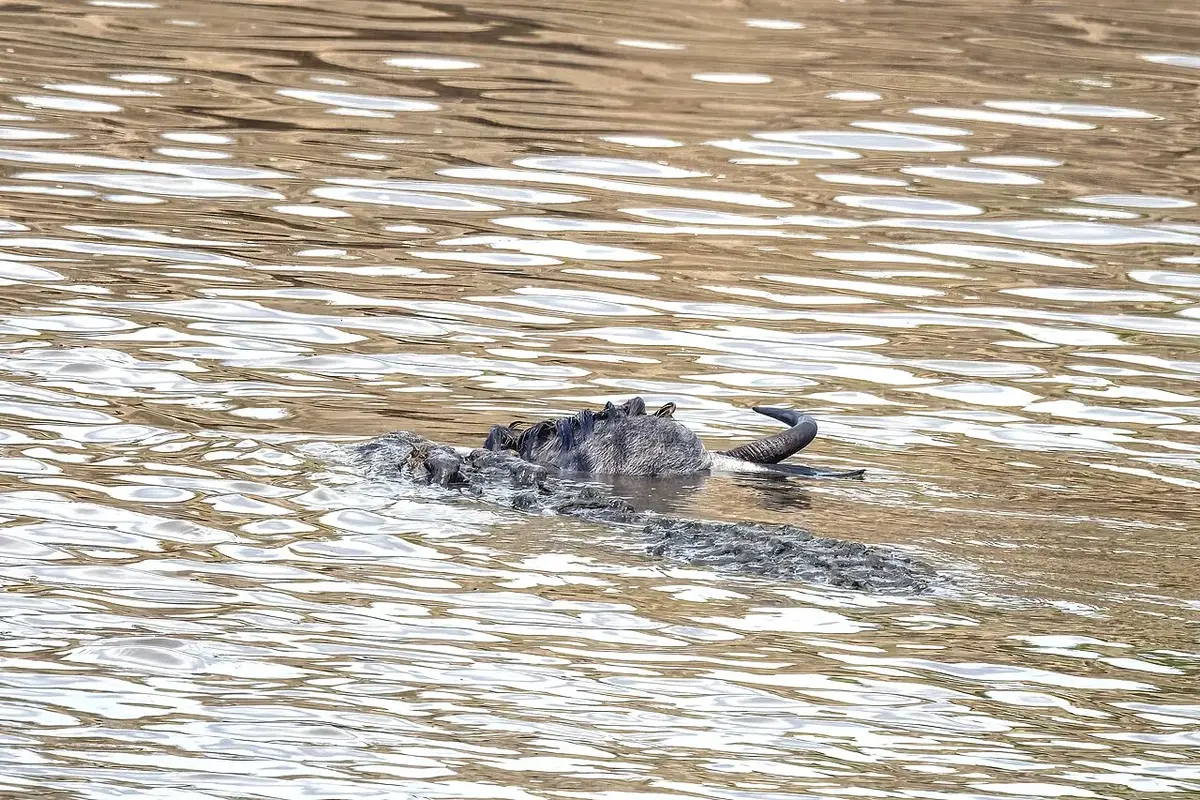
If a river crossing is your dream, give yourself several days in the right area without expecting a timetable. River crossings are the most dramatic single moment of the Great Migration, when wildebeest and zebra herds bunch at the water's edge before surging across, often with crocodiles waiting below.
They aren't scheduled events, so understanding roughly when and where they happen matters more than almost anything else in planning the trip.
Improving your odds of a river crossing
| Factor | Lower odds | Higher odds |
|---|---|---|
| Timing | May-June or Nov-Jan | July-October, peaking Aug-Sep |
| Camp location | Central Serengeti, away from river | Northern Serengeti or Mara, riverside |
| Length of stay | One or two nights | Three or more nights |
Highlights
- When crossings happen
- Where to base yourself
- Patience pays off
01
When crossings happen
Crossings are most likely from July through October, usually peaking in August and September, as herds push north from the Serengeti into the Mara in search of fresh grazing.
Rainfall patterns shift the exact timing from year to year, so even within this window there is no fixed date.
02
Where to base yourself
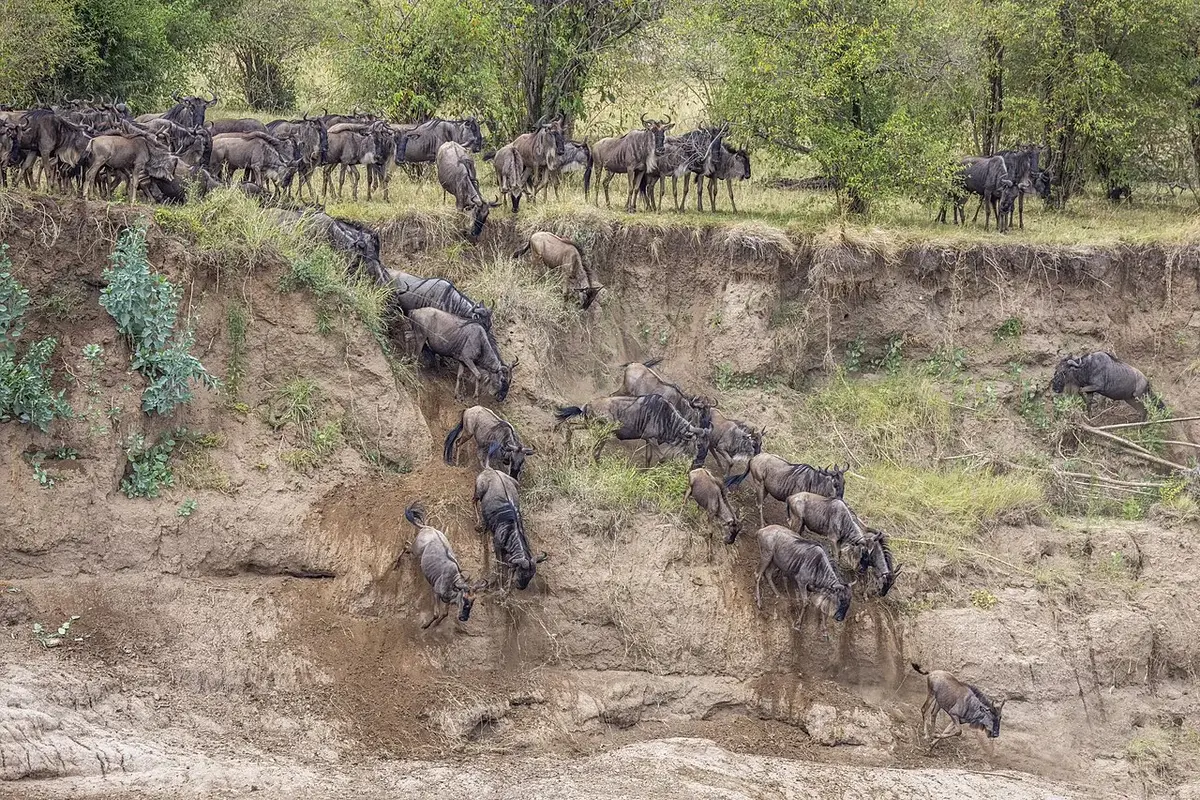
Camps close to the river itself, in the northern Serengeti's Kogatende area or the Mara Triangle and Mara North conservancies, cut down the driving time needed to reach a crossing point once one begins.
03
Patience pays off
Herds often gather at the riverbank for hours, sometimes a full day, building courage before the first animals jump, so a short game drive is unlikely to coincide with the moment itself.
Staying at least three nights in a river-adjacent camp meaningfully improves the odds of witnessing one.
Dos
- Match your dates to where the herds usually are
- Stay in a camp close to the herds' area
- Allow full days at river crossings — they take patience
- Book peak-season camps early
- Be flexible — the herds follow the rain
Don'ts
- Don't expect crossings on a timetable
- Don't crowd the riverbank — keep crossing points clear
- Don't leave booking peak months to the last minute
- Don't pick only one park — the herds move
- Don't forget binoculars
What's usually included
- Camps near the herds for your dates
- Full-day game drives with picnic lunch
- Park and conservancy fees
- Guide experienced in tracking the herds
- Meals as listed
- Airport or airstrip transfers
Usually not included
- International flights
- Visa fees
- Travel insurance
- Tips for guides and camp staff
- Personal items and souvenirs
- Premium drinks unless all-inclusive
- Optional activities not in your itinerary
Keep exploring
Published fees to plan around
Sources checked 7 October 2026 · US dollars · fees only, not full safari prices
| Fee | Published amount | Who and when |
|---|---|---|
| Maasai Mara reserve · July–December | US$200 | Non-resident adult entry; published seasonal tariff, not a camp rate. Entry and exit rules affect the number of chargeable visits.Narok County published fee schedule |
| Maasai Mara reserve · January–June | US$100 | Non-resident adult entry; the low-season rate in the same published schedule. Reconfirm for your travel year.Narok County published fee schedule |
Your accommodation and flights need a quote for your dates, room arrangement and availability. Compare the full journey total, not a nightly headline: meals, transport, guiding, entry fees and optional activities should be clear. Published tariffs may change; we reconfirm the applicable fees before you book.
Our editorial values
Original travel guidance by Dennis Njoroge, CEO of Perch Africa Safaris. Wildlife and weather are never guaranteed. Published fees link to their authority sources; camp and flight prices are confirmed for your own journey. You receive your full itinerary and matching proforma before payment.
Related on Perch Africa
Why settle for a brochure safari
Plan Kenya travel with a team that plans it around you
- Private guide and vehicle
- Named stays and itemised costs
- Availability checked before confirmation
Planning great migration river crossings: how to see one?
Get a free, costed itinerary with real availability. No payment and no commitment until you are happy.
Frequently asked questions
Can you guarantee a river crossing?
No guide or operator can guarantee one — crossings depend on herd movement and weather. Good timing, a river-adjacent camp and several nights give the strongest odds.