The best time to see the Great Migration, month by month
The herds are always moving somewhere across the Serengeti-Mara ecosystem. Understanding which chapter of the journey is happening each month is the real key to timing your trip.
Great Migration Safari · wildebeest migration · Serengeti safari
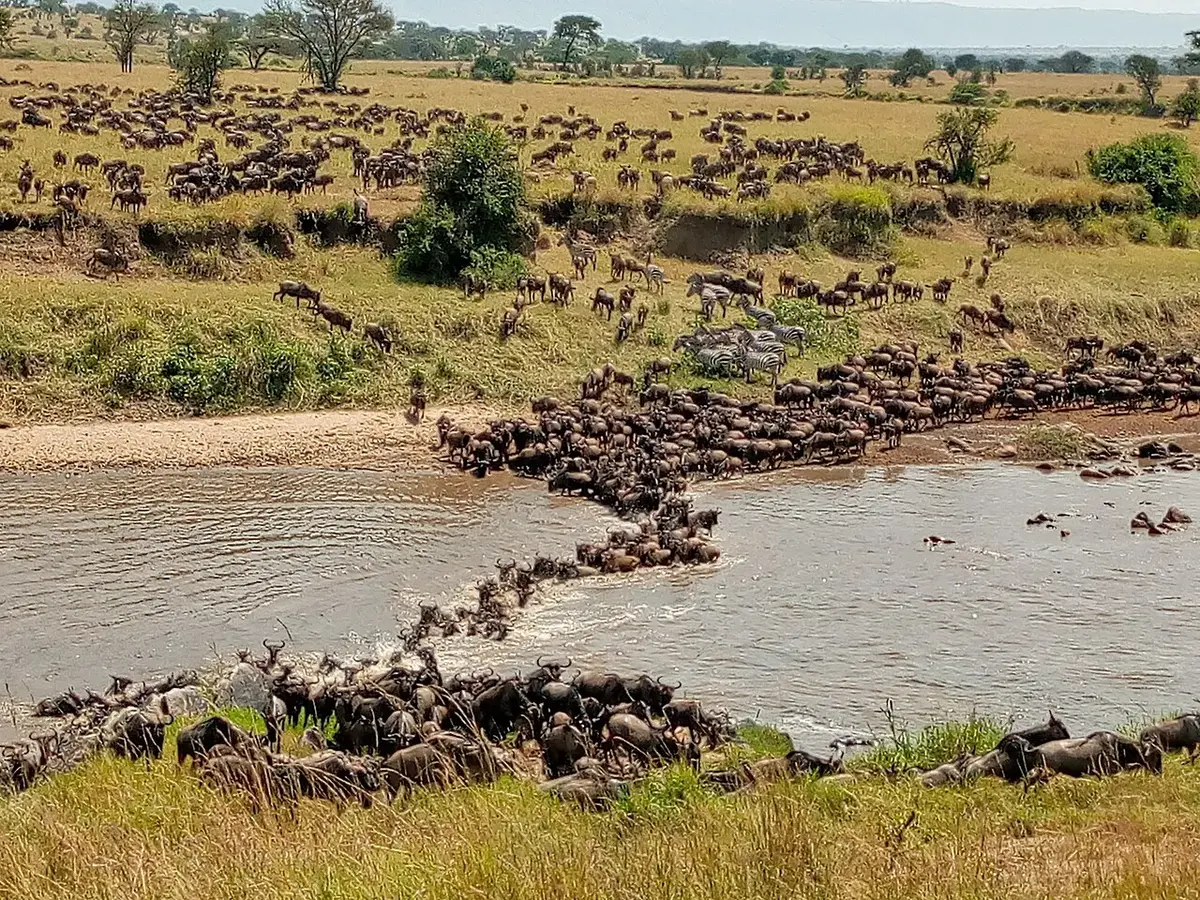
The Great Migration is often talked about as a single event, but it is really a continuous year-round circuit involving close to two million wildebeest, zebra and gazelle. There is no single best month overall, only the best month for the specific chapter you want to witness.
Here is how the circuit unfolds through the calendar, so you can match your travel dates to what interests you most.
Three stages of the migration compared
| Chapter | Approximate months | Main draw |
|---|---|---|
| Calving | January-March | Huge concentrations and predator action |
| Northward trek | April-June | Long columns of animals, good value travel |
| River crossings | July-October | Dramatic Mara and Grumeti river scenes |
Highlights
- Calving season on the southern plains
- The long walk north
- River crossings as the herds reach Kenya
- The return south
01
Calving season on the southern plains
From around January to March, the herds concentrate on the short grass of the southern Serengeti and the Ndutu area. Hundreds of thousands of calves are born in a short window, which in turn draws heavy predator activity. This period offers dense numbers of animals and noticeably fewer vehicles than crossing season.
02
The long walk north
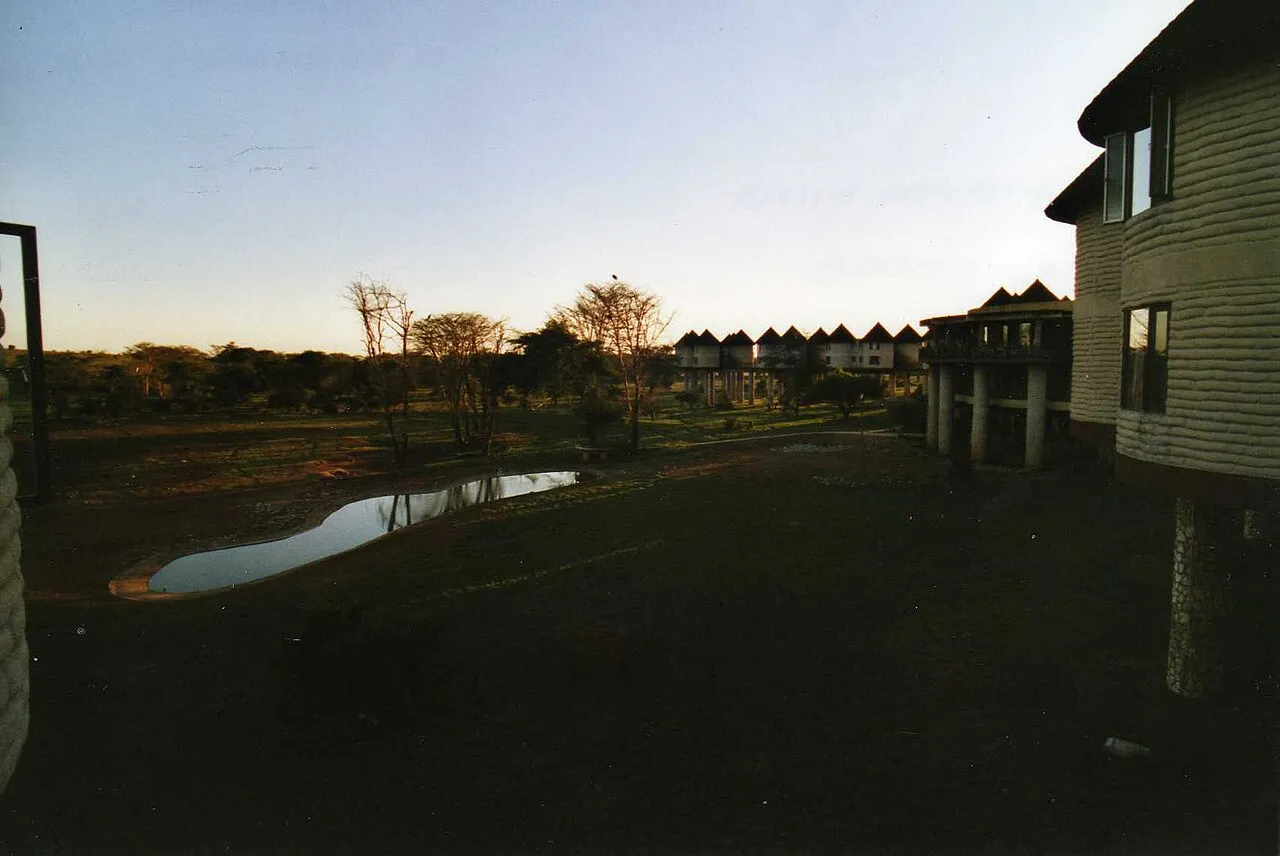
Between roughly April and June, the herds move steadily through the central and western Serengeti as the rains ease off. Long columns stretching across the horizon are common, and because this falls in shoulder season, camps and flights are often better value too.
03
River crossings as the herds reach Kenya
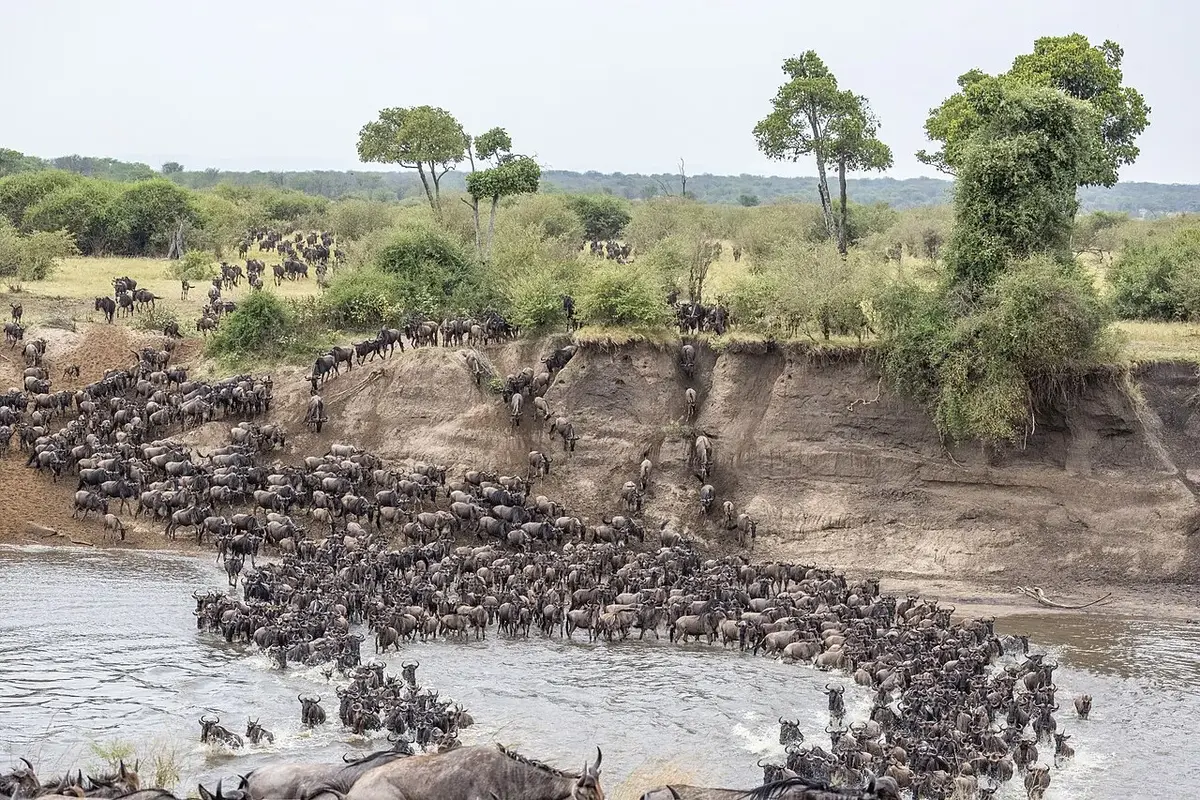
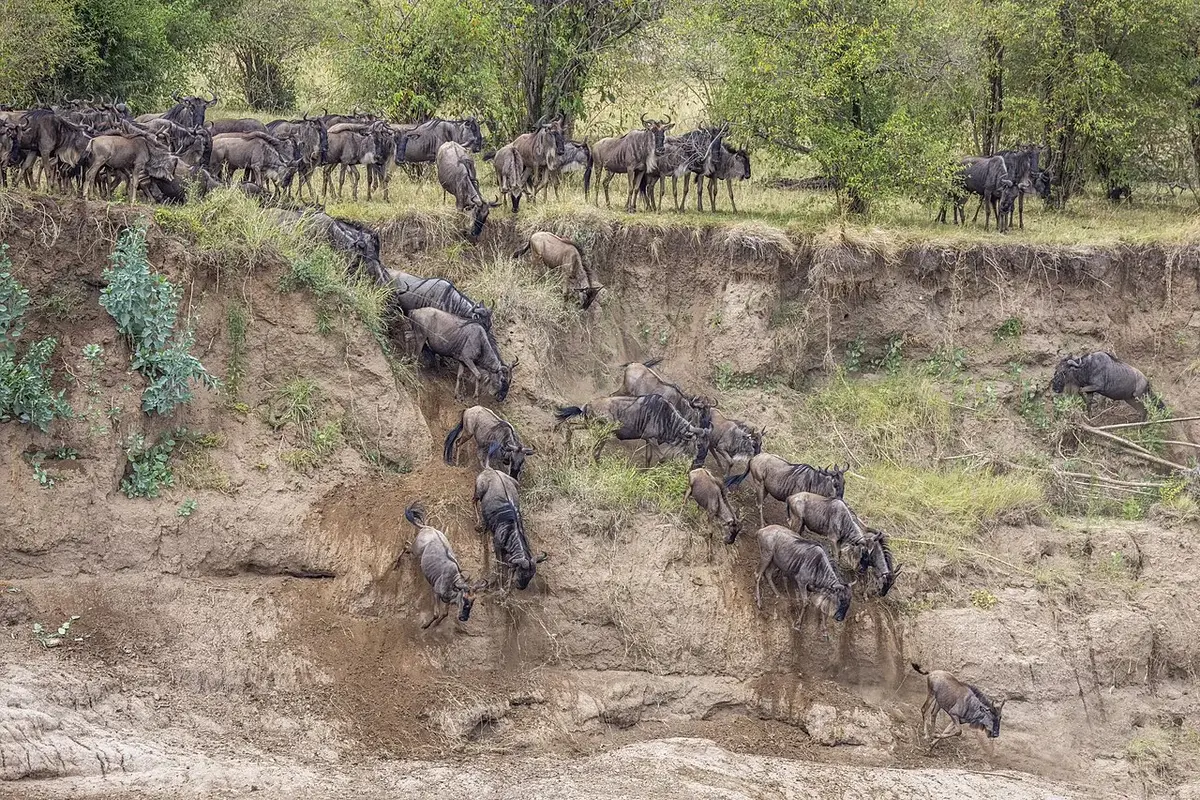
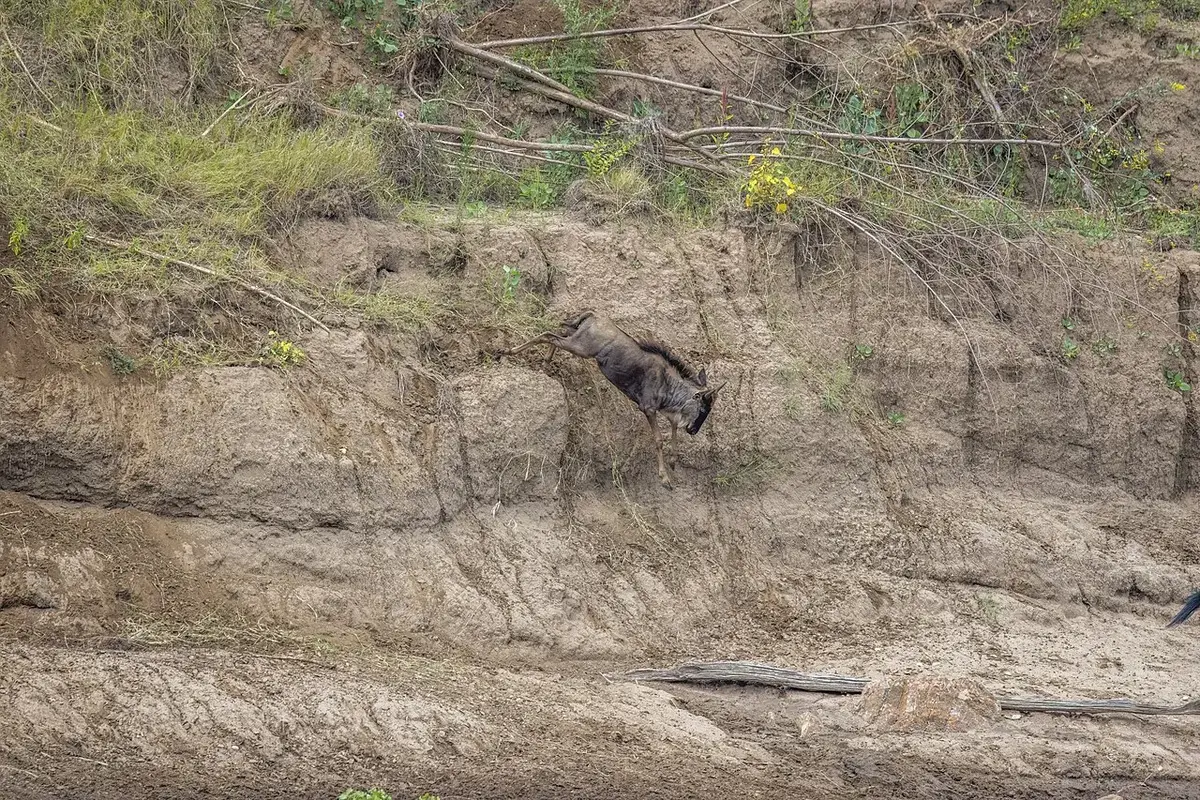
From around July to October, the migration pushes north towards the Grumeti and Mara rivers, producing the dramatic crossing scenes most people picture. This is also the busiest and most sought-after period, so booking well in advance matters more here than at any other time of year.
04
The return south
With the arrival of the short rains around November and December, the herds drift back into the Serengeti. The landscape turns green, sightings remain strong, and camps are noticeably quieter than during crossing season.
Dos
- Match your dates to where the herds usually are
- Stay in a camp close to the herds' area
- Allow full days at river crossings — they take patience
- Book peak-season camps early
- Be flexible — the herds follow the rain
Don'ts
- Don't expect crossings on a timetable
- Don't crowd the riverbank — keep crossing points clear
- Don't leave booking peak months to the last minute
- Don't pick only one park — the herds move
- Don't forget binoculars
What's usually included
- Camps near the herds for your dates
- Full-day game drives with picnic lunch
- Park and conservancy fees
- Guide experienced in tracking the herds
- Meals as listed
- Airport or airstrip transfers
Usually not included
- International flights
- Visa fees
- Travel insurance
- Tips for guides and camp staff
- Personal items and souvenirs
- Premium drinks unless all-inclusive
- Optional activities not in your itinerary
Keep exploring
Published fees to plan around
Sources checked 7 October 2026 · US dollars · fees only, not full safari prices
| Fee | Published amount | Who and when |
|---|---|---|
| Maasai Mara reserve · July–December | US$200 | Non-resident adult entry; published seasonal tariff, not a camp rate. Entry and exit rules affect the number of chargeable visits.Narok County published fee schedule |
| Maasai Mara reserve · January–June | US$100 | Non-resident adult entry; the low-season rate in the same published schedule. Reconfirm for your travel year.Narok County published fee schedule |
Your accommodation and flights need a quote for your dates, room arrangement and availability. Compare the full journey total, not a nightly headline: meals, transport, guiding, entry fees and optional activities should be clear. Published tariffs may change; we reconfirm the applicable fees before you book.
Our editorial values
Original travel guidance by Dennis Njoroge, CEO of Perch Africa Safaris. Wildlife and weather are never guaranteed. Published fees link to their authority sources; camp and flight prices are confirmed for your own journey. You receive your full itinerary and matching proforma before payment.
Related on Perch Africa
Why settle for a brochure safari
Plan Kenya travel with a team that plans it around you
- Private guide and vehicle
- Named stays and itemised costs
- Availability checked before confirmation
Planning the best time to see the great migration, month by month?
Get a free, costed itinerary with real availability. No payment and no commitment until you are happy.
Frequently asked questions
What is the single best month to see the migration?
There isn't one universally; it depends what you want to see. Crossings peak around August and September, calving peaks in February, and May to June offers strong value with fewer crowds.
Can a river crossing be guaranteed?
No, crossings depend on the herds' own timing and cannot be promised by anyone. Staying several nights near the rivers during the right season gives the best realistic chance.
Is it worth visiting outside the peak crossing months?
Yes; the herds are somewhere in the ecosystem every month, and quieter periods often mean better sightings with far fewer vehicles around.