The Great Migration calendar — month-by-month
A month-by-month look at where the wildebeest herds actually are, so you can time your trip to the drama you want to see.
Great Migration Safari · wildebeest migration · Serengeti safari
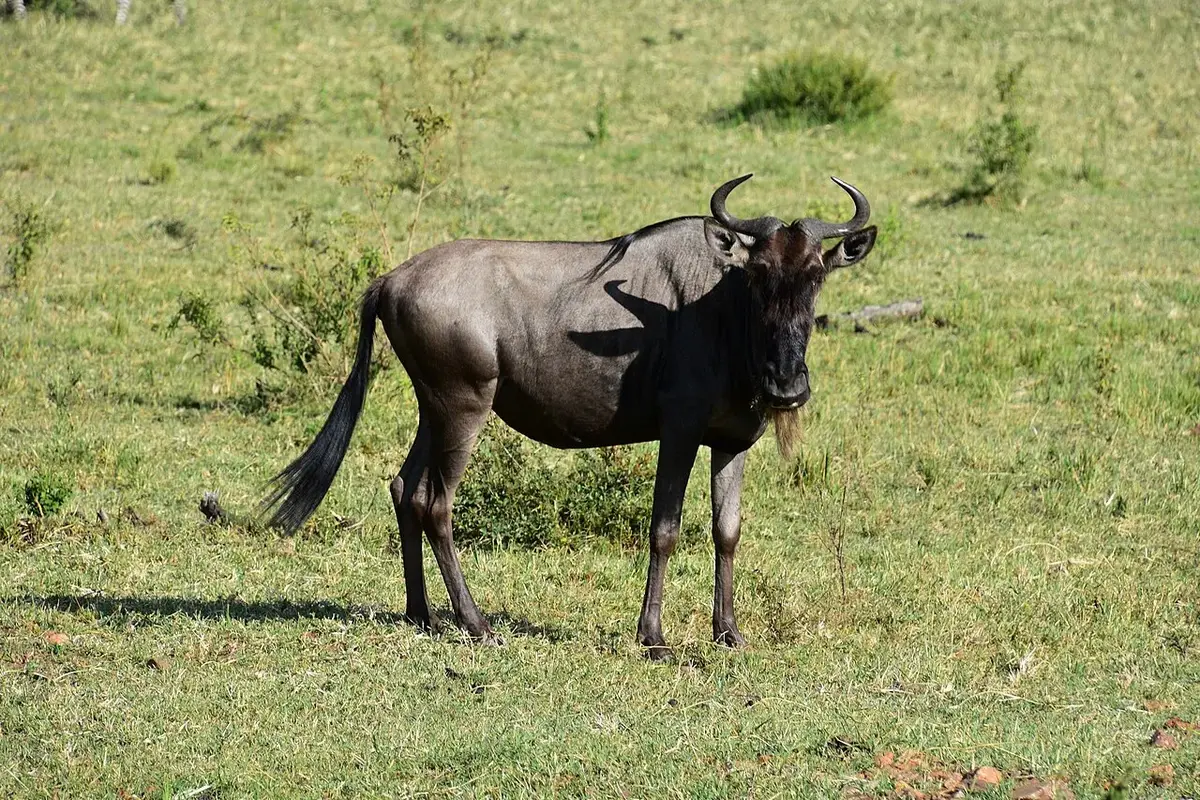
If the migration is your reason for coming, choose your month before you choose your camp. The wildebeest migration isn't a single event — it's a year-round circuit driven by rain and grass, and knowing where the herds sit in any given month is the single biggest factor in planning a great trip.
Below is a realistic month-by-month picture, plus guidance on turning that calendar into a workable itinerary.
Choosing your migration window
| Travel window | Where the herds are | What to expect |
|---|---|---|
| January–March | Southern Serengeti/Ndutu plains | Calving, open plains, strong predator action, fewer visitors |
| June–July | Western Corridor (Grumeti) | Early crossings, rutting season, moderate crowds |
| August–October | Northern Serengeti/Maasai Mara | Mara River crossings, peak demand, book far ahead |
Highlights
- The rhythm of the year
- Turning the calendar into a trip
- Choosing Kenya or Tanzania for your dates
01
The rhythm of the year
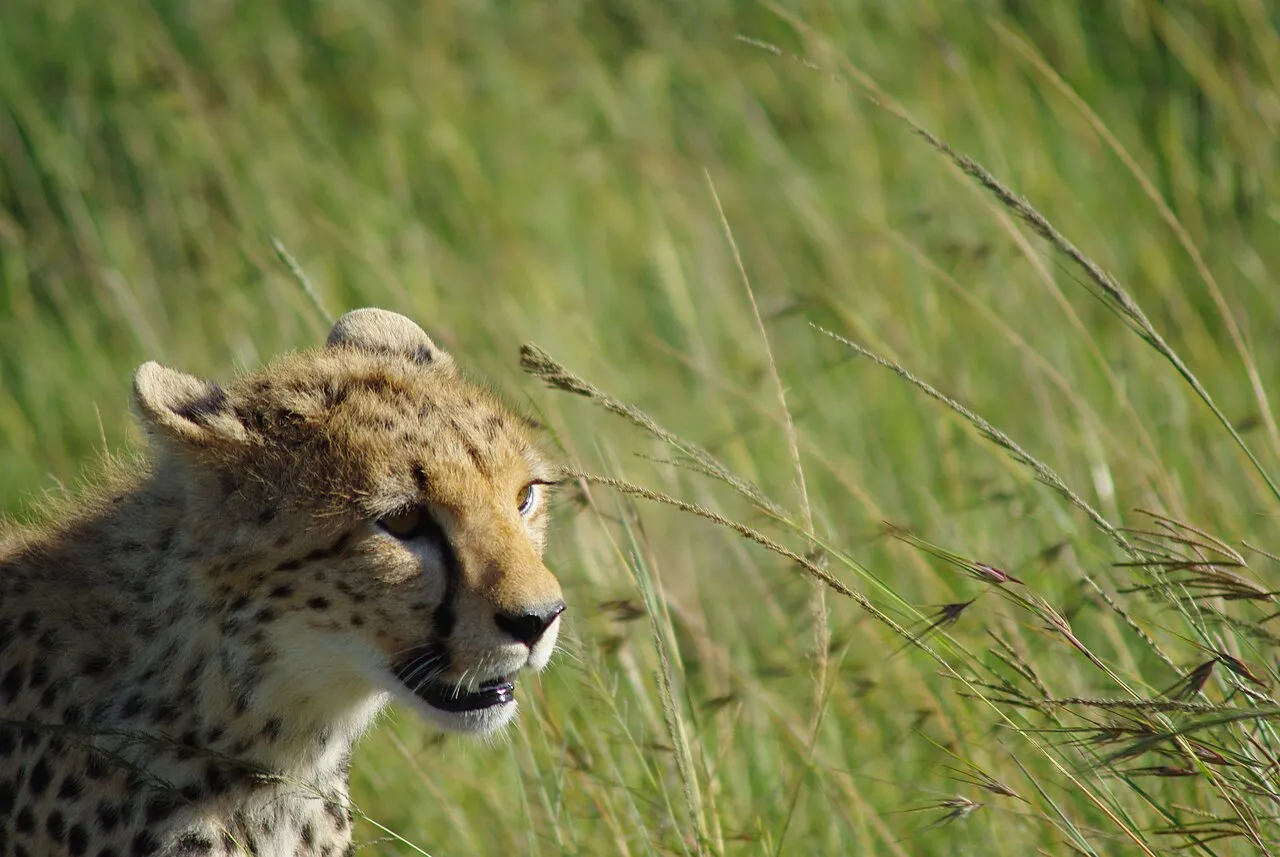
From roughly December through March the herds spread across the short grass plains south of the Serengeti, where calving clusters tightly around February and draws in predators looking for an easy meal.
As the plains dry out from April, the animals push northwest in loose columns, moving through wetter, greener country that is quiet on the tourist side and easy on the wallet.
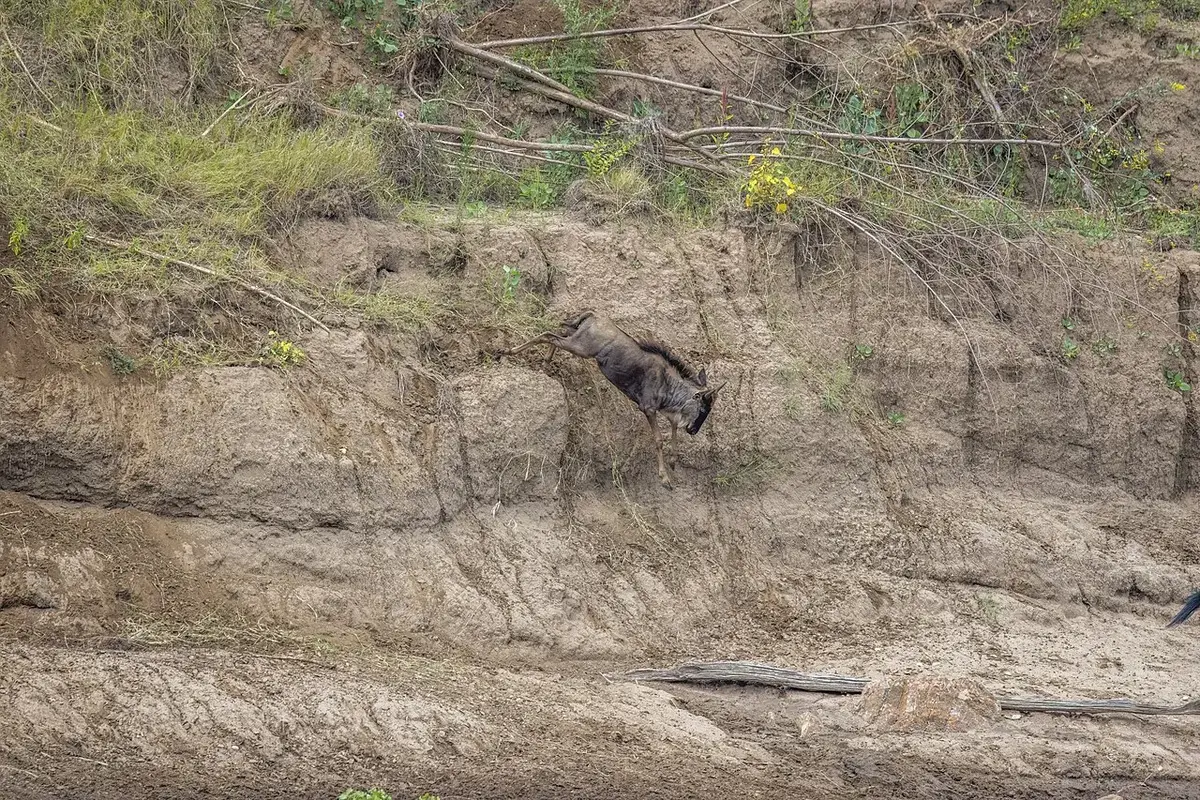
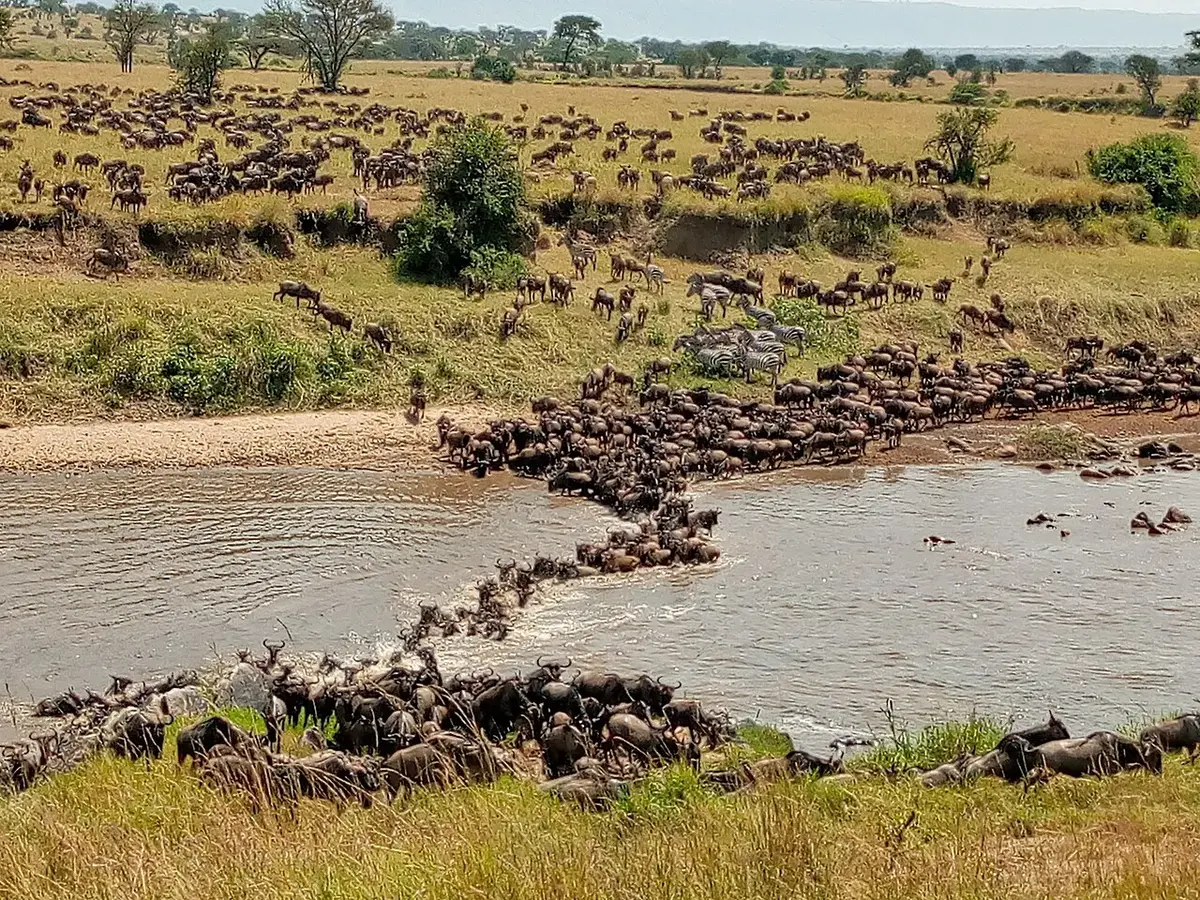
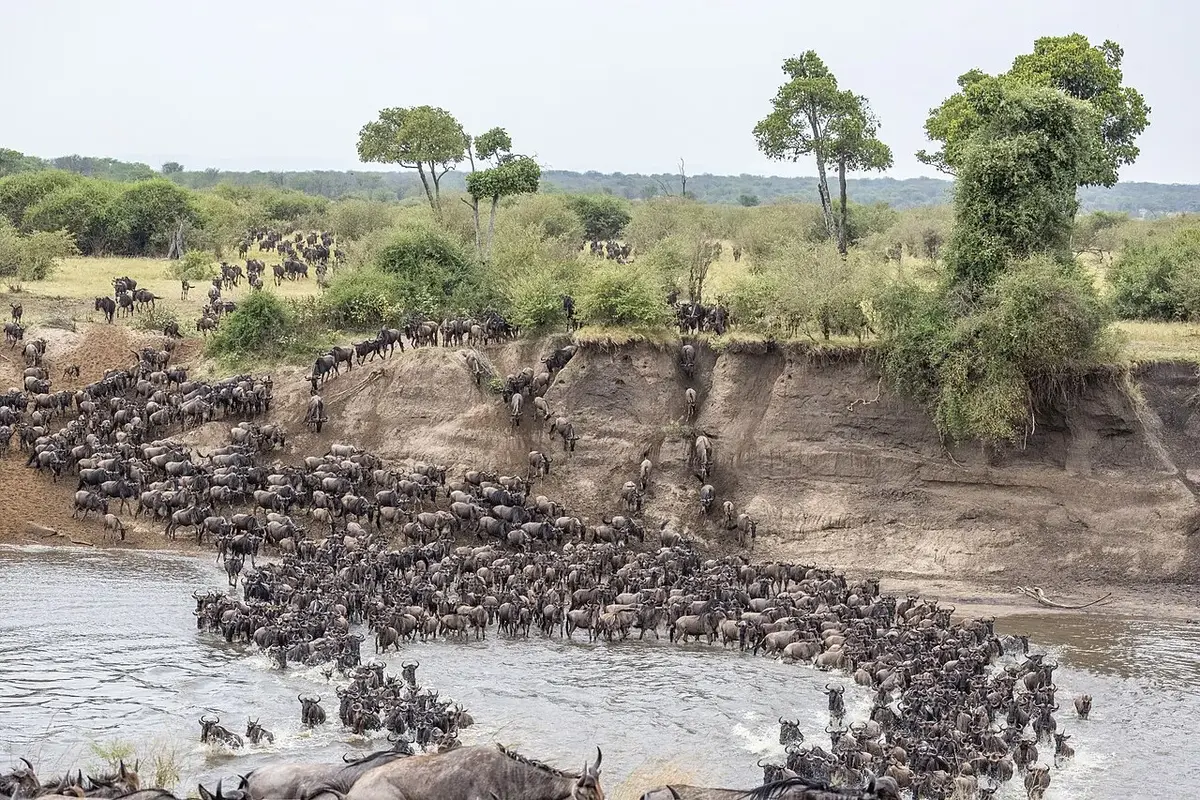
By June the front of the herd reaches the Grumeti River in the Western Corridor, where the first tense river crossings of the year happen alongside the rutting season, and bachelor males spar for position.
July through October is the headline act: the herds push into the northern Serengeti and across into the Maasai Mara, crossing the Mara River repeatedly as they search out fresh grazing — this is the postcard safari moment and the busiest, priciest stretch of the year.
From November the short rains turn the herds south again, back through the eastern Serengeti towards the calving grounds, closing the loop.
02
Turning the calendar into a trip
Because the exact dates shift by two to four weeks depending on that year's rainfall, rigid single-location bookings are the biggest risk. A camp that can reposition, or an itinerary that covers two areas, hedges against a late or early season far better than one fixed lodge.
Plan to stay at least three nights wherever you choose to be near the herds — crossings especially can take days to materialise, and a one-night stop is a gamble.
- Reserve 9–12 months ahead for July–September river-crossing season
- Consider February in the southern plains for predator action with fewer vehicles
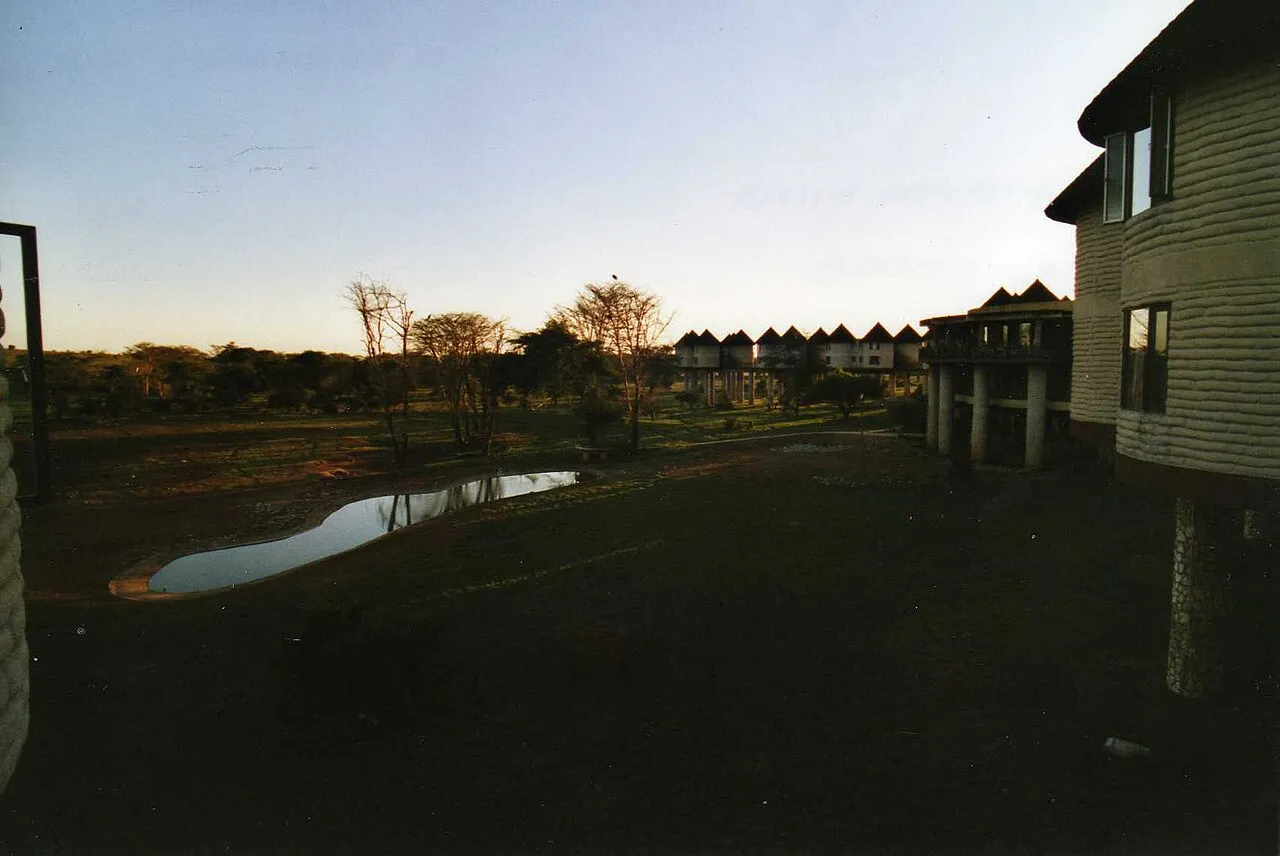
- Combine a migration stay with Ngorongoro, Zanzibar or the Kenyan coast to round out the trip
03
Choosing Kenya or Tanzania for your dates
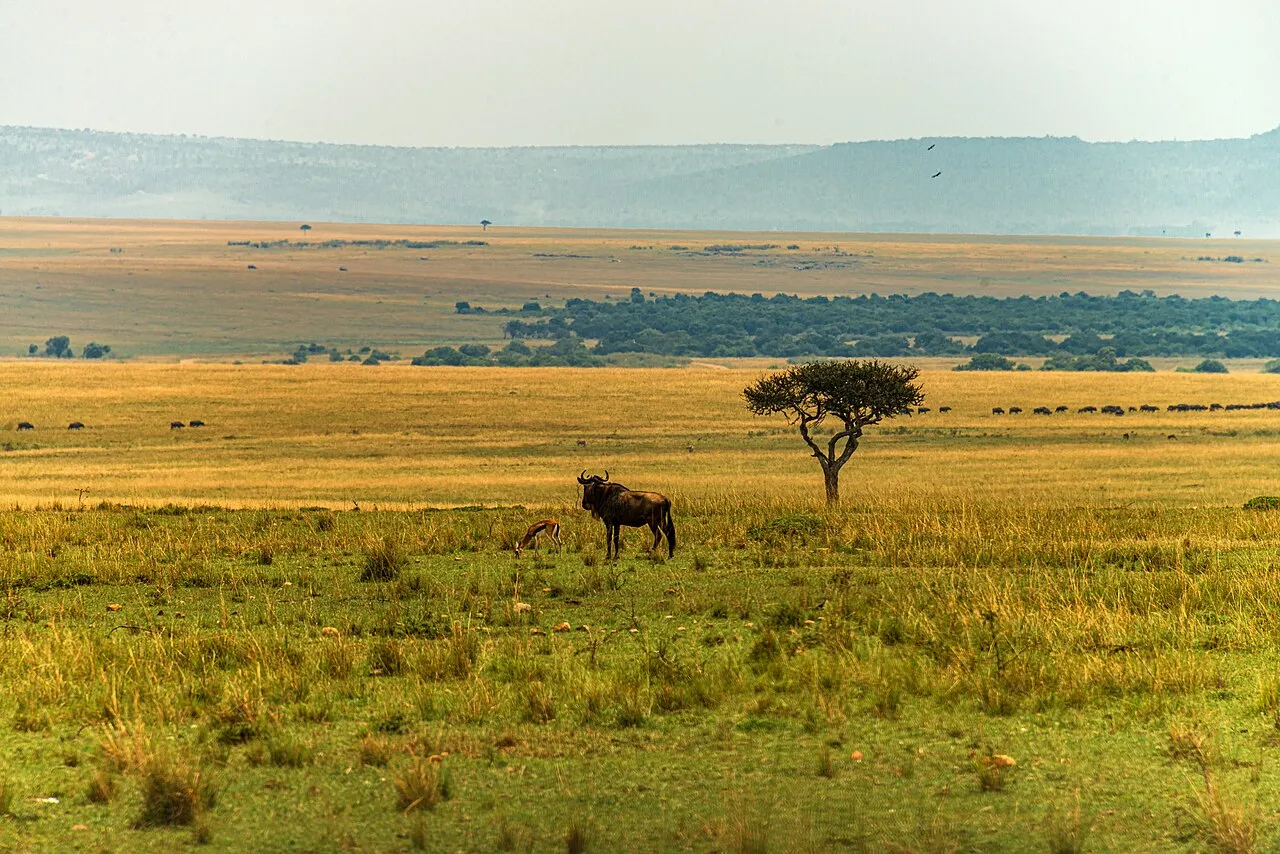
If your travel window falls in July to October, the Mara or northern Serengeti both work; if you're locked into January to March, the southern Serengeti and Ndutu area are the only realistic choice, since that's where the herds actually are.
Dos
- Match your dates to where the herds usually are
- Stay in a camp close to the herds' area
- Allow full days at river crossings — they take patience
- Book peak-season camps early
- Be flexible — the herds follow the rain
Don'ts
- Don't expect crossings on a timetable
- Don't crowd the riverbank — keep crossing points clear
- Don't leave booking peak months to the last minute
- Don't pick only one park — the herds move
- Don't forget binoculars
What's usually included
- Camps near the herds for your dates
- Full-day game drives with picnic lunch
- Park and conservancy fees
- Guide experienced in tracking the herds
- Meals as listed
- Airport or airstrip transfers
Usually not included
- International flights
- Visa fees
- Travel insurance
- Tips for guides and camp staff
- Personal items and souvenirs
- Premium drinks unless all-inclusive
- Optional activities not in your itinerary
Keep exploring
Published fees to plan around
Sources checked 7 October 2026 · US dollars · fees only, not full safari prices
| Fee | Published amount | Who and when |
|---|---|---|
| Maasai Mara reserve · July–December | US$200 | Non-resident adult entry; published seasonal tariff, not a camp rate. Entry and exit rules affect the number of chargeable visits.Narok County published fee schedule |
| Maasai Mara reserve · January–June | US$100 | Non-resident adult entry; the low-season rate in the same published schedule. Reconfirm for your travel year.Narok County published fee schedule |
Your accommodation and flights need a quote for your dates, room arrangement and availability. Compare the full journey total, not a nightly headline: meals, transport, guiding, entry fees and optional activities should be clear. Published tariffs may change; we reconfirm the applicable fees before you book.
Our editorial values
Original travel guidance by Dennis Njoroge, CEO of Perch Africa Safaris. Wildlife and weather are never guaranteed. Published fees link to their authority sources; camp and flight prices are confirmed for your own journey. You receive your full itinerary and matching proforma before payment.
Related on Perch Africa
Why settle for a brochure safari
Plan Kenya travel with a team that plans it around you
- Private guide and vehicle
- Named stays and itemised costs
- Availability checked before confirmation
Planning the great migration calendar — month-by-month?
Get a free, costed itinerary with real availability. No payment and no commitment until you are happy.
Frequently asked questions
Can I guarantee I'll see a river crossing?
No sighting of wild animal behaviour can be guaranteed, but staying several nights in the right area during July–October gives you the best realistic odds.
Does the migration ever skip a month or area entirely?
The general loop is consistent year to year, but exact timing and the precise crossing points shift with rainfall, sometimes by several weeks.
Is the migration worth seeing outside crossing season?
Yes — calving season in the south offers dense predator activity and far fewer vehicles than the peak crossing months.