Best time to visit Kenya & Tanzania
A clear-eyed guide to the dry season, the two rainy seasons, and how timing changes what you'll actually experience on the ground.
Best Time to Go on Safari in Kenya · Tanzania safari · safari holidays
Kenya and Tanzania can be visited at any point in the calendar, but the experience shifts substantially with the season — not just the weather, but the density of wildlife at waterholes, the number of other vehicles you share a sighting with, and what you'll pay for a camp bed.
Here's how the year actually breaks down, destination by destination.
Season-by-season snapshot
| Season | Months | Best for |
|---|---|---|
| Long dry | June–October | Reliable sightings, river crossings, peak crowds |
| Short dry | January–February | Calving, green scenery, lighter traffic |
| Long rains | March–May | Lowest rates, quiet parks, lush landscapes |
Highlights
- The long dry season (June–October)
- The short dry season (January–February)
- The long rains (March–May)
- The short rains (November–early December)
- Matching month to destination
01
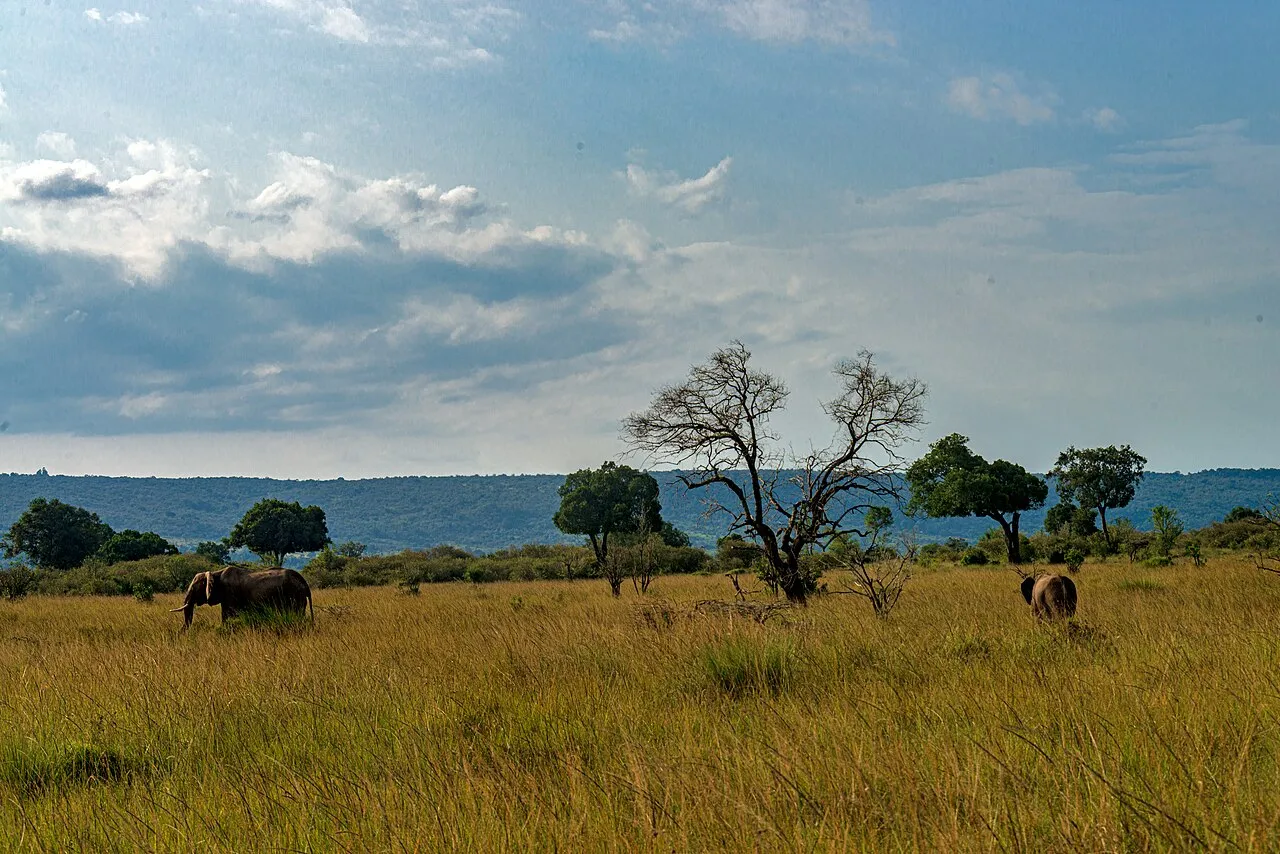
The long dry season (June–October)
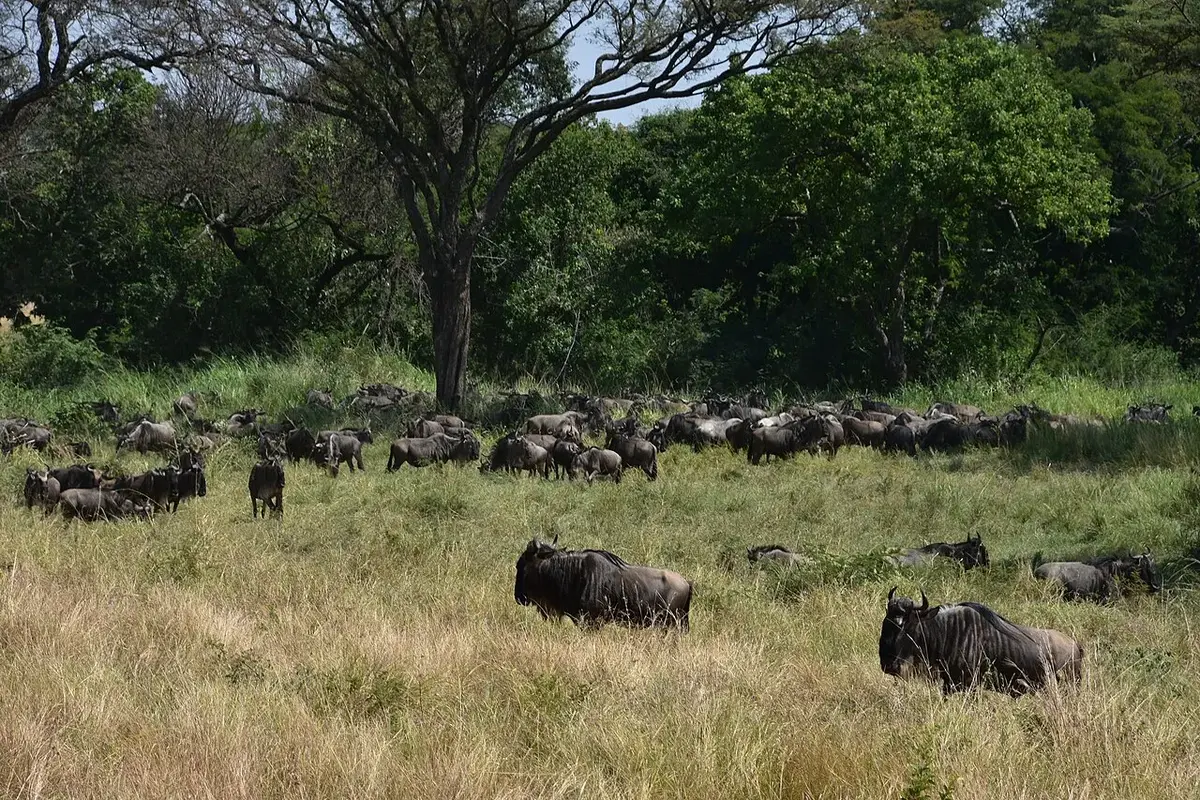
Vegetation thins out and water becomes scarce, so animals concentrate predictably around rivers and waterholes. This is when game viewing is at its most reliable, which is exactly why it's also the busiest and most expensive stretch of the year across both countries.
02
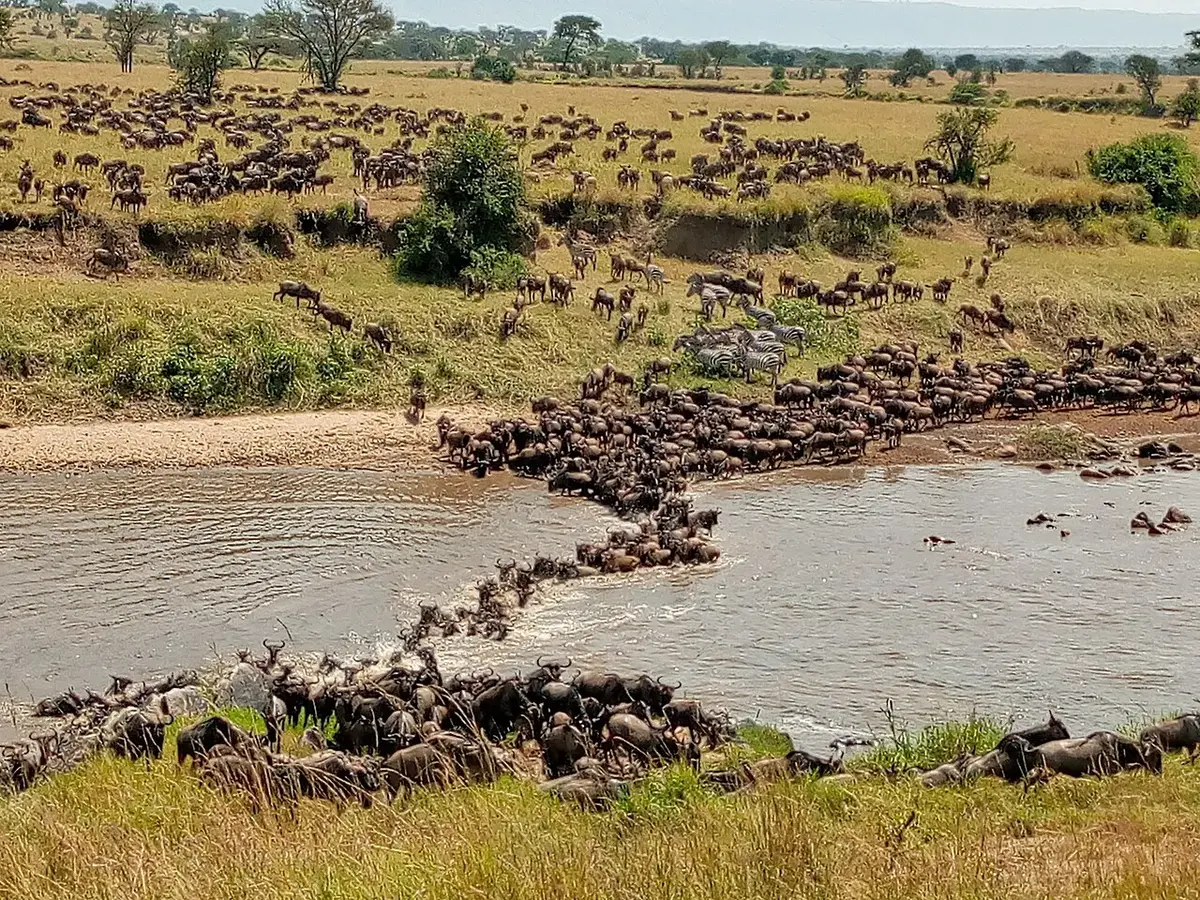
The short dry season (January–February)
A warm, mostly rain-free pocket between the two wet seasons. The southern Serengeti is calving at this time, landscapes are green rather than dusty, and vehicle numbers are noticeably lower than the midyear peak.
03
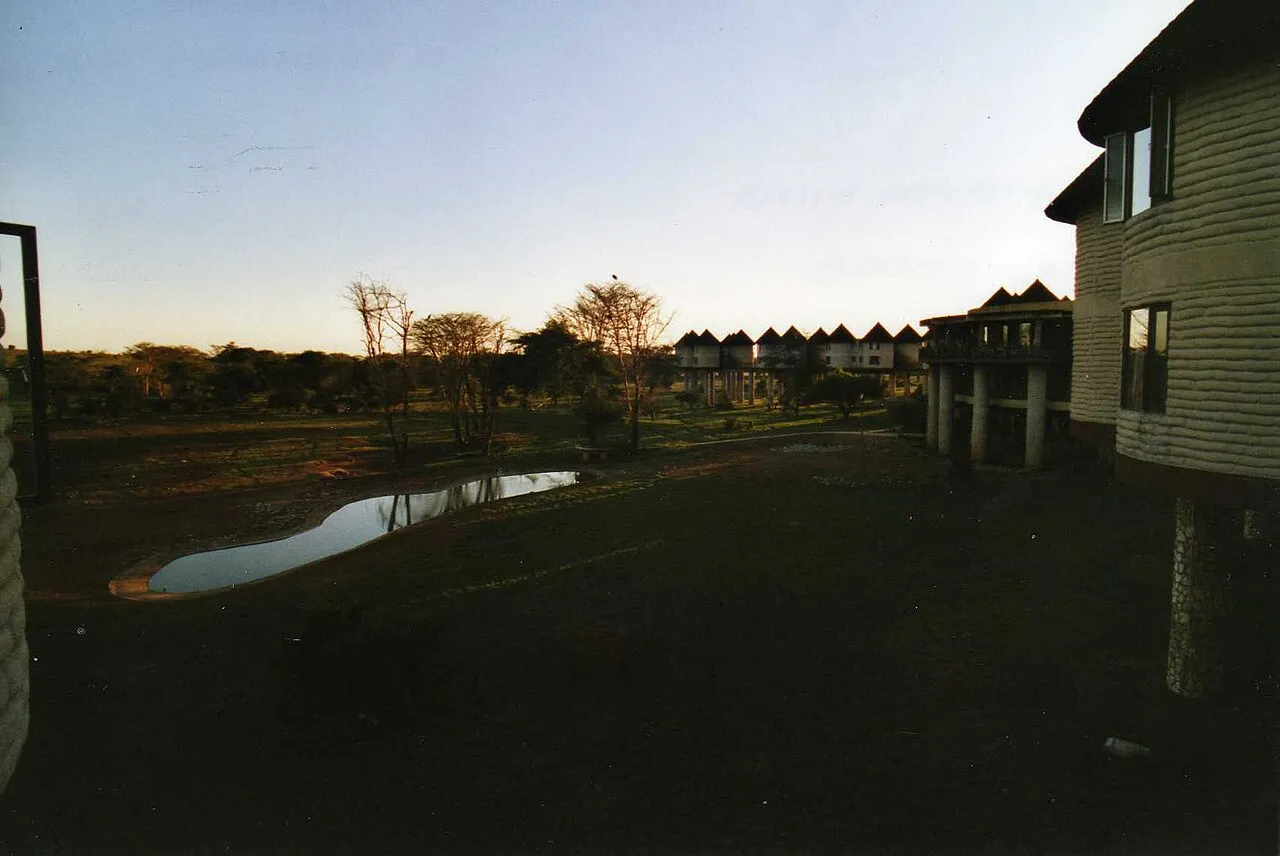
The long rains (March–May)
Afternoon downpours are common and some camps close for maintenance, but mornings are frequently clear for game drives. This is the best-value period of the year by a wide margin, and the bush looks spectacular.
04
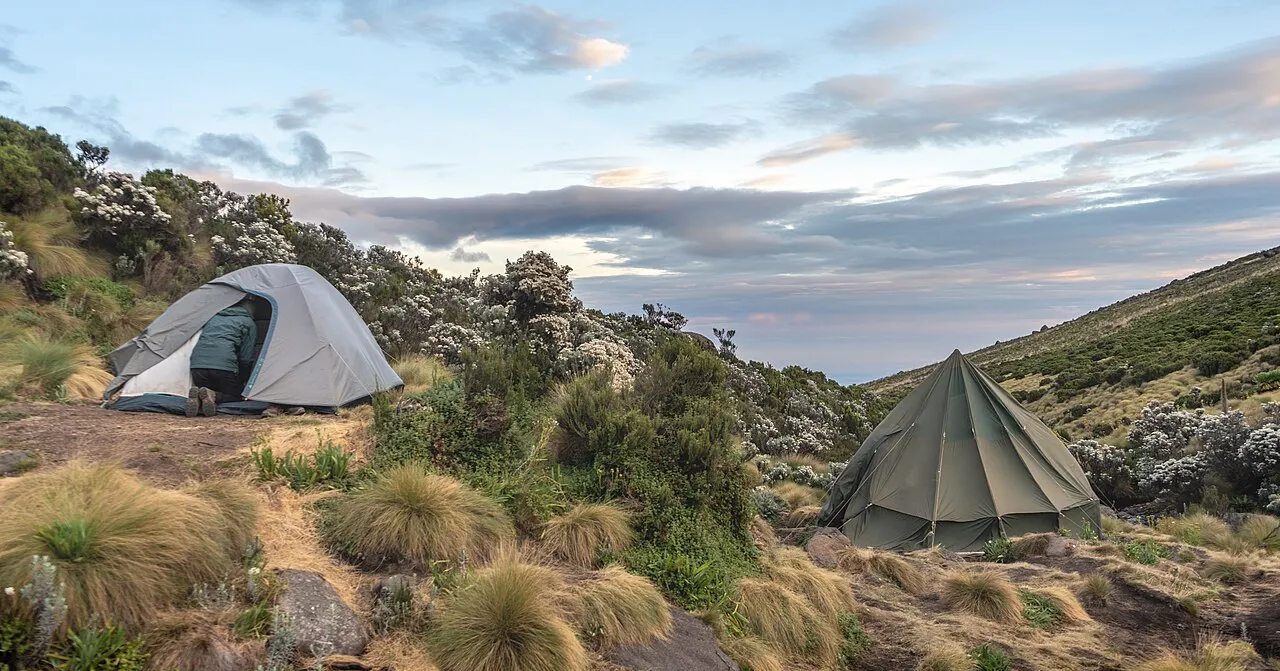
The short rains (November–early December)
Brief, often localised showers, migrant birds arriving, and decent value before the festive season pushes rates up again.
05
Matching month to destination
Different parts of the region peak at different times, so your ideal month depends partly on where you most want to go.
- Maasai Mara: July–October for river crossings
- Southern Serengeti: January–March for calving
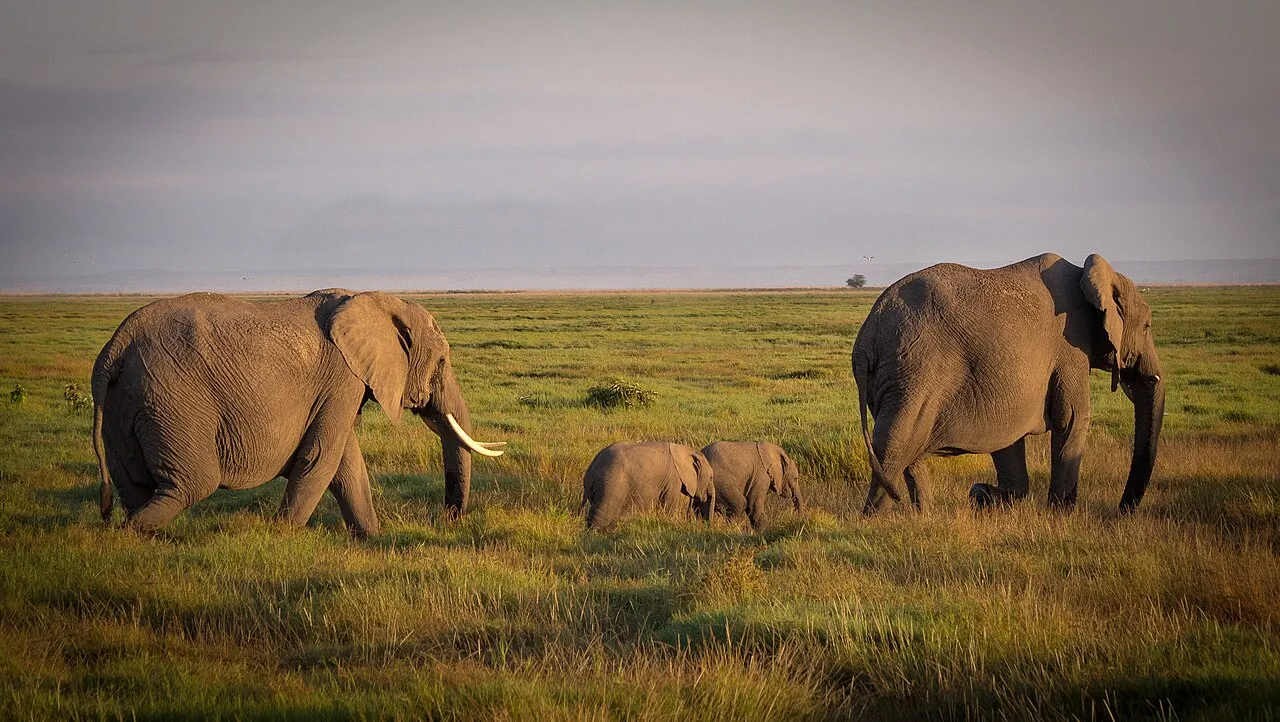
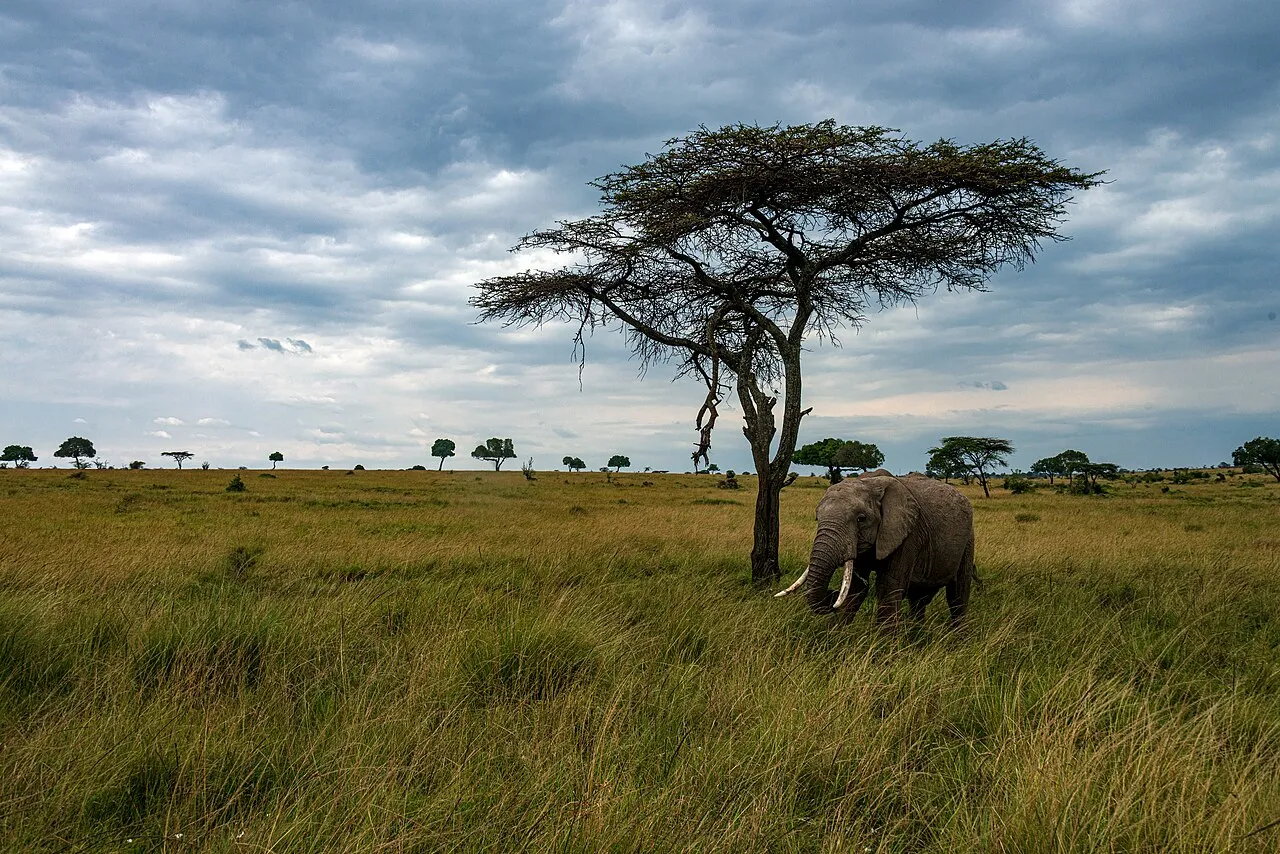
- Amboseli and Tarangire: June–October when water draws elephants to open ground
- Zanzibar: June–October and December–February for the driest, calmest seas
- Gorilla trekking: June–September and December–February for easier trails
Dos
- Wear neutral colours — khaki, olive, sand
- Pack layers for cold early game drives
- Stay seated and keep voices low near animals
- Follow your guide's instructions at all times
- Drink plenty of water and use sunscreen
Don'ts
- Don't wear bright colours, white or camouflage
- Don't feed or call to animals
- Don't leave the vehicle unless your guide says so
- Don't use drones — they need special permits
- Don't bring plastic bags (banned in Kenya and Tanzania)
What's usually included
- Accommodation in your chosen level
- Meals as listed in your itinerary
- Game drives with a professional guide
- Park and conservancy entry fees
- Airport pick-up and drop-off
- Drinking water in the vehicle
Usually not included
- International flights
- Visa fees
- Travel insurance
- Tips for guides and camp staff
- Personal items and souvenirs
- Premium drinks unless all-inclusive
- Optional activities not in your itinerary
Keep exploring
Published fees to plan around
Sources checked 7 October 2026 · US dollars · fees only, not full safari prices
| Fee | Published amount | Who and when |
|---|---|---|
| Ngorongoro Conservation Area · adult entry | US$70.80 | Non-East African citizen aged 16 or above, per person. Published permit is valid for one entry within 24 hours. Accommodation and vehicle charges are separate.Ngorongoro Conservation Area Authority tariffs |
| Ngorongoro · crater service | US$295 | Non-East African citizens, per vehicle per crater trip, not per person. This is additional to conservation-area entry.Ngorongoro Conservation Area Authority tariffs |
Your accommodation and flights need a quote for your dates, room arrangement and availability. Compare the full journey total, not a nightly headline: meals, transport, guiding, entry fees and optional activities should be clear. Published tariffs may change; we reconfirm the applicable fees before you book.
Our editorial values
Original travel guidance by Dennis Njoroge, CEO of Perch Africa Safaris. Wildlife and weather are never guaranteed. Published fees link to their authority sources; camp and flight prices are confirmed for your own journey. You receive your full itinerary and matching proforma before payment.
Related on Perch Africa
Why settle for a brochure safari
Plan Tanzania travel with a team that plans it around you
- Private guide and vehicle
- Named stays and itemised costs
- Availability checked before confirmation
Planning best time to visit kenya & tanzania?
Get a free, costed itinerary with real availability. No payment and no commitment until you are happy.
Frequently asked questions
Is it worth travelling in the rainy season?
Yes for most travellers — expect lower rates and fewer other guests, in exchange for accepting the chance of afternoon rain and some camp closures.
When are prices lowest?
April and May are consistently the quietest and least expensive months, with November a close second.
Does rain ruin game drives?
Rarely for a whole day — showers are usually short and afternoon-focused, leaving clear mornings for viewing.