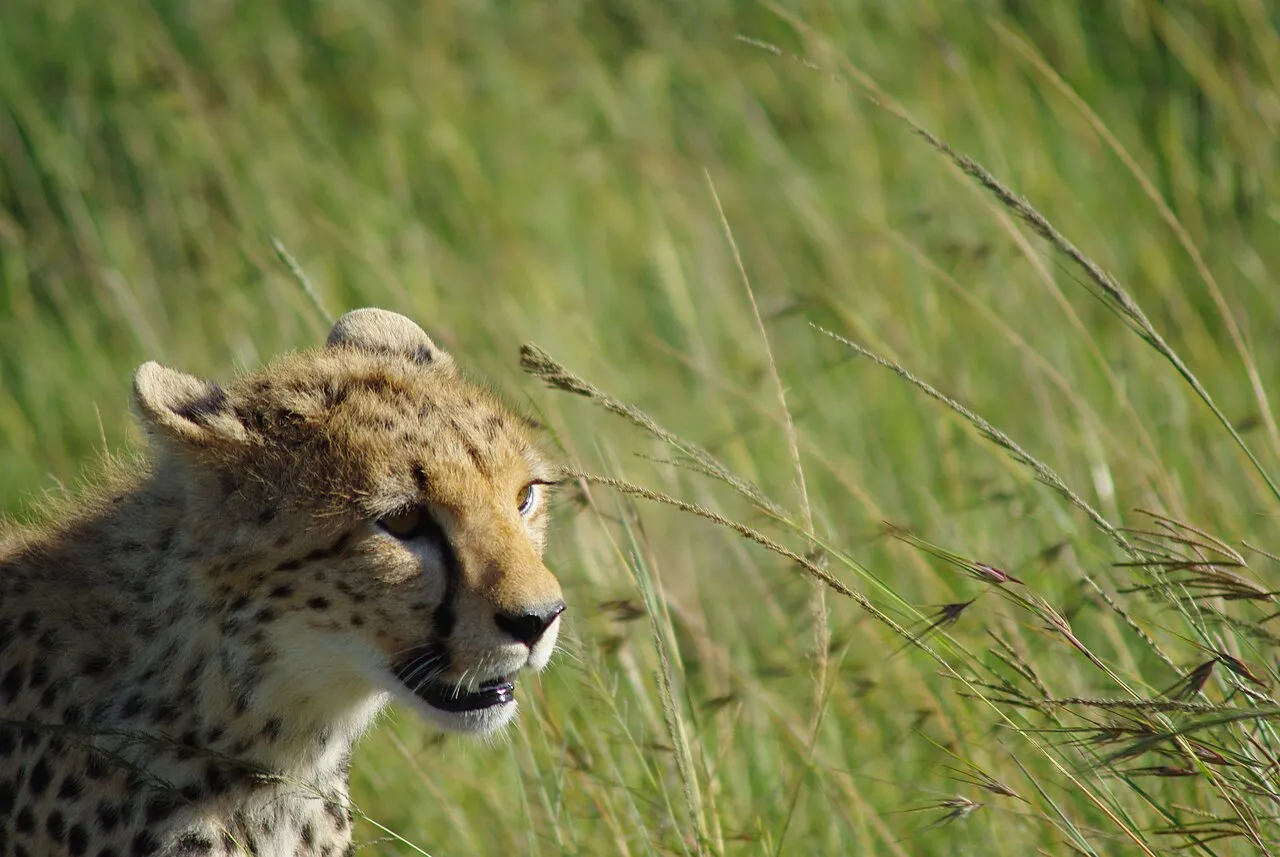
Safari photography: the gear that actually matters
Coming home with strong safari photographs has less to do with an expensive kit and more with bringing the right few essentials and leaving the wrong ones behind.
Safari Photography · photographic safari · safari holidays
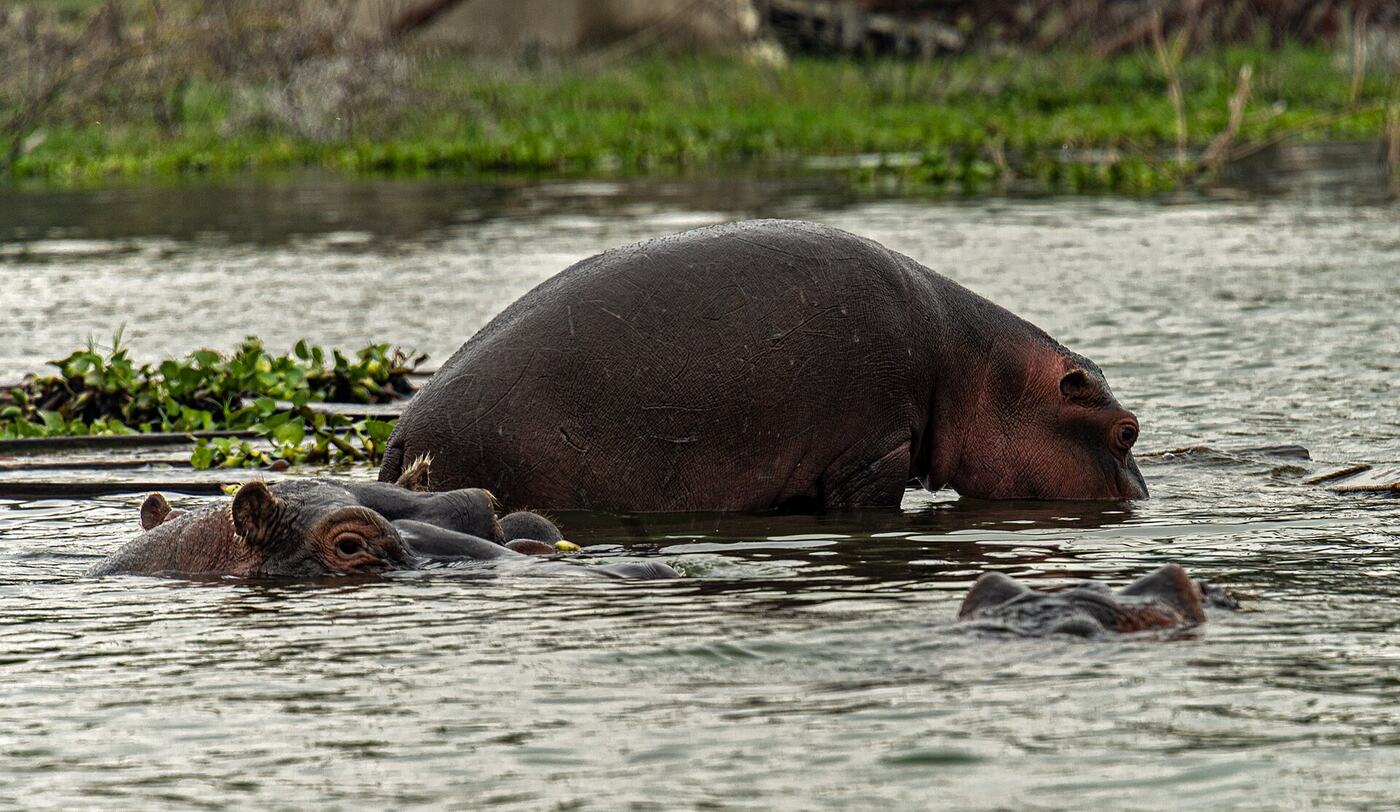
You don't need a professional-grade kit to come home with genuinely good safari photographs, but a handful of specific items make a real difference, and a few common choices actively work against you in the field.
Gear priorities for a safari photography kit
| Item | Priority | Why it matters |
|---|---|---|
| Telephoto zoom lens | Essential | Covers most wildlife distances in one lens |
| Beanbag support | Essential | Stabilises shots taken from a vehicle |
| Tripod | Low priority | Rarely practical when shooting from a vehicle |
Highlights
- The lens matters more than the camera body
- Support that actually works from a vehicle
- Managing dust, power and storage
- The mistake almost every beginner makes
01
The lens matters more than the camera body
A zoom in the 100-400mm or 200-600mm range covers the vast majority of safari situations, from a leopard sixty metres away to a bird landing right beside the vehicle. A fast prime lens is lovely in low light, but the versatility of a good zoom tends to win out on an actual game drive.
02
Support that actually works from a vehicle
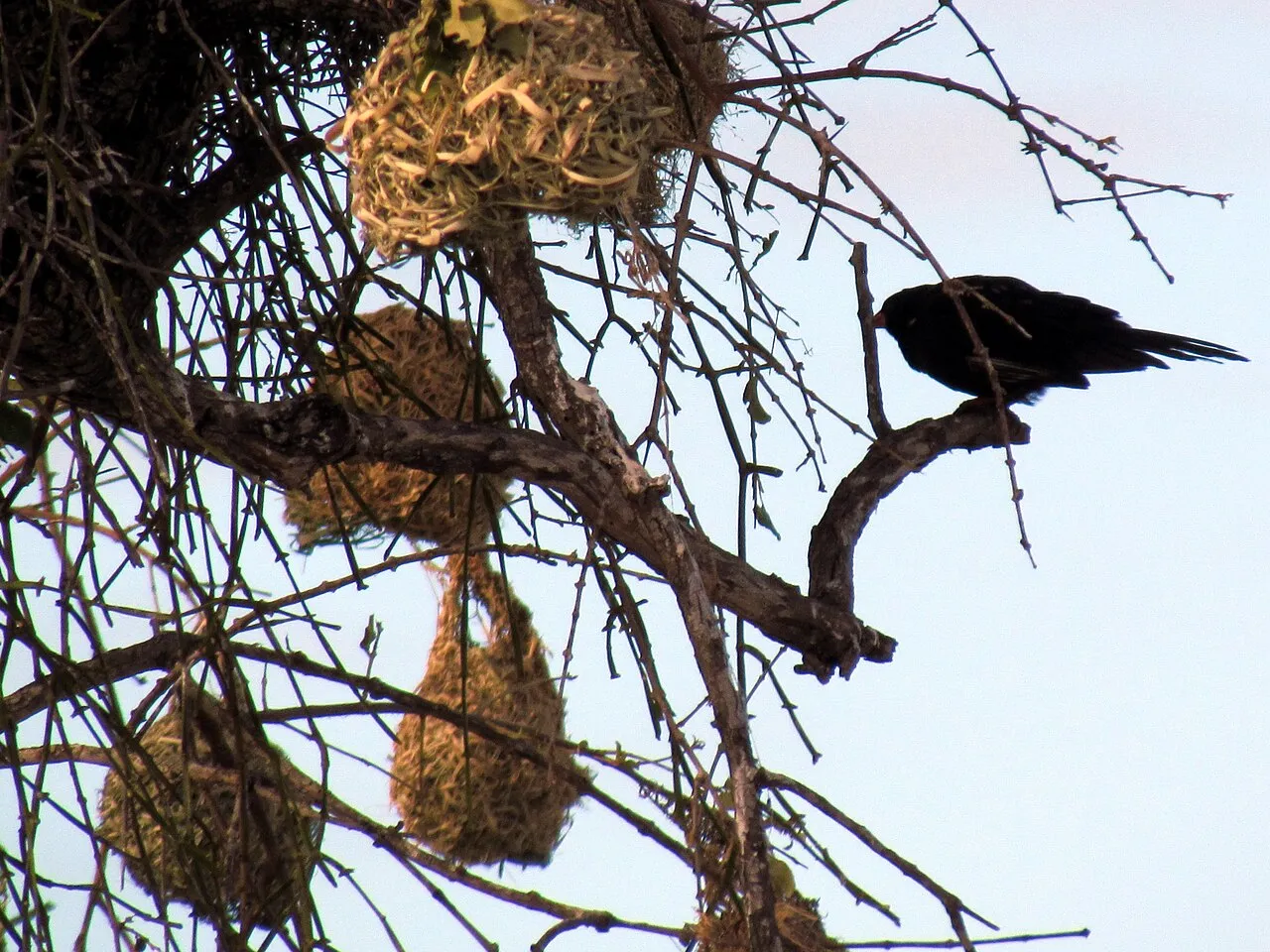
Since most shooting happens from a vehicle rather than solid ground, a beanbag resting on the window rail is far more practical than any tripod. Serious photographers often book a private vehicle, since repositioning for better light becomes very difficult with several other passengers aboard.
03
Managing dust, power and storage
Dust is a persistent problem in the field, so a blower, lens cloths and a bag that seals properly are worth packing. Most camps offer charging, often solar-powered, but bringing spare batteries and more memory cards than seems necessary is wise, since it is easy to shoot thousands of frames over a week.
04
The mistake almost every beginner makes
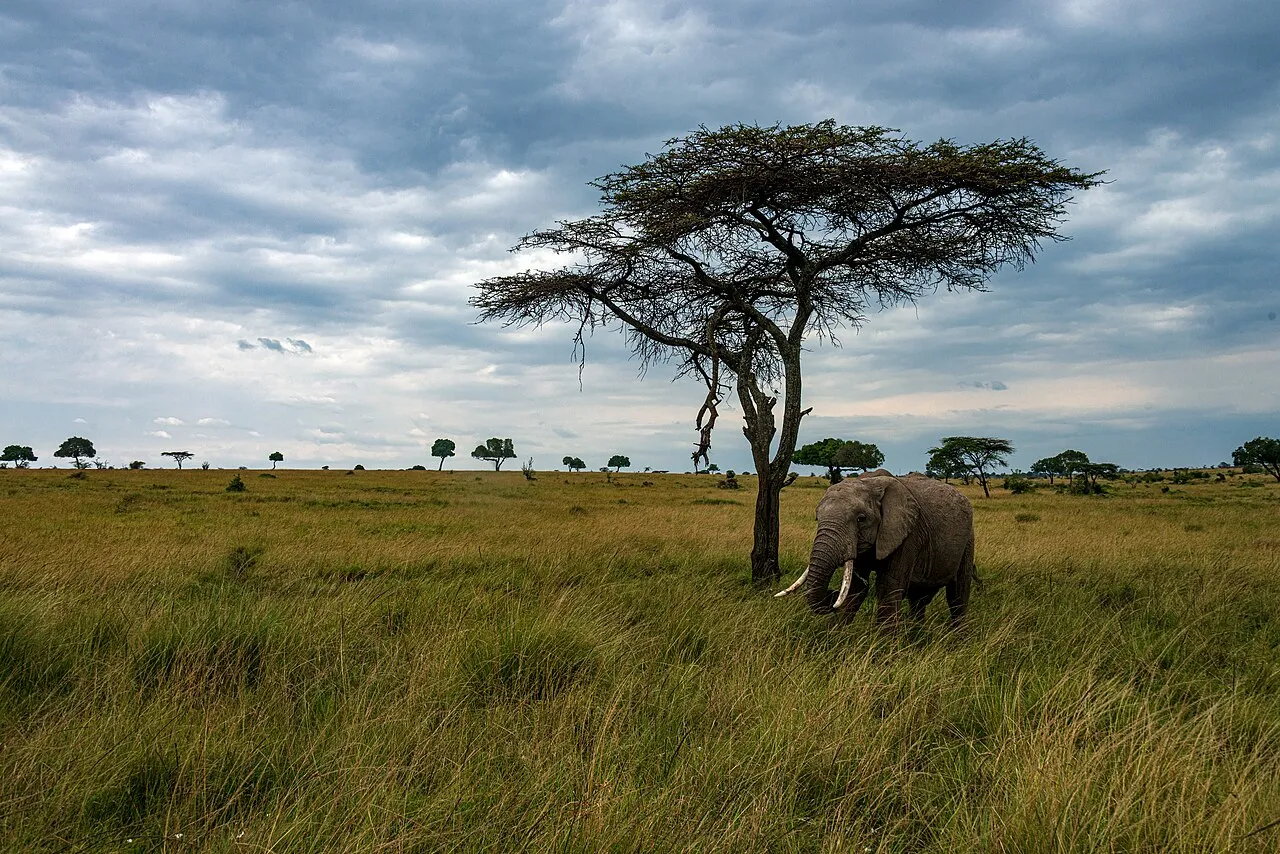
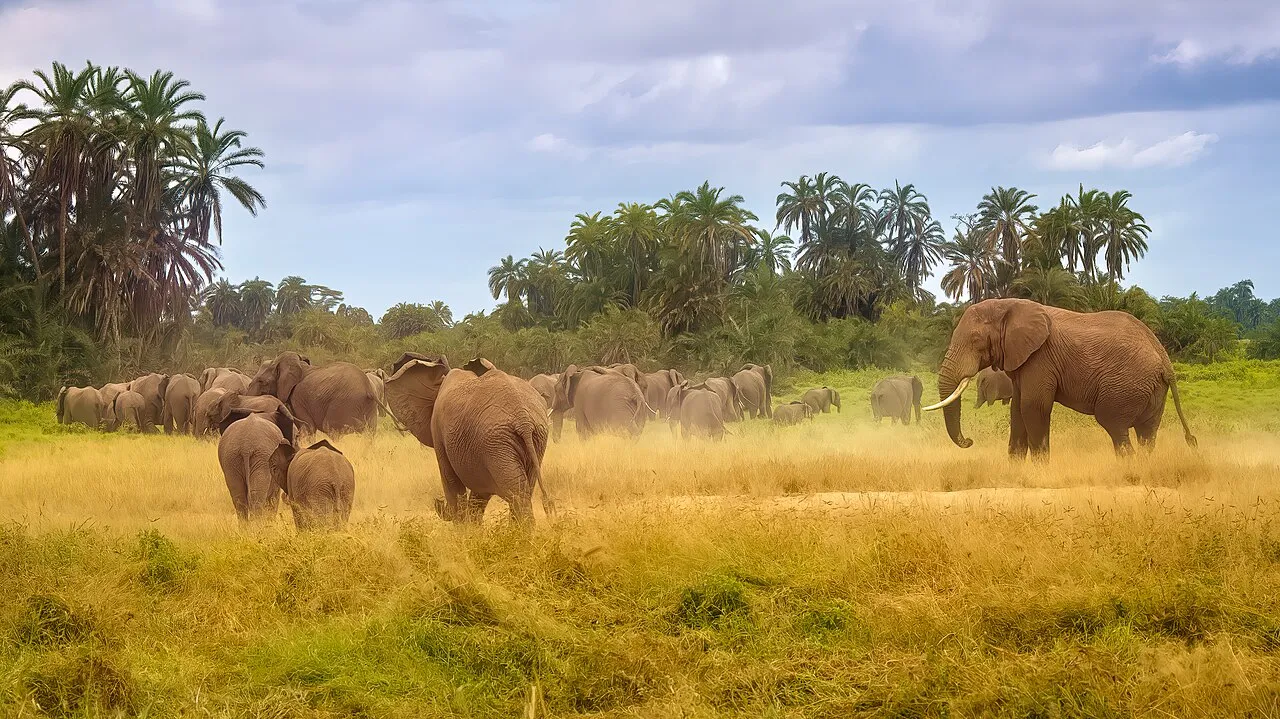
Shooting everything at maximum zoom is extremely common and often works against the photo. Including some landscape in the frame, such as an elephant shown small against a vast plain, often tells a stronger story than yet another tight close-up portrait.
Dos
- Bring a zoom lens (100–400mm or similar)
- Use a beanbag for steady shots from the vehicle
- Carry spare batteries and memory cards
- Shoot in the golden hours after sunrise and before sunset
- Ask your guide to position the vehicle for light
Don'ts
- Don't use flash on wildlife
- Don't ask the guide to go off-road where it's banned
- Don't change lenses in dusty wind
- Don't spend the whole trip behind the camera
- Don't disturb animals for a shot
What's usually included
- Vehicle with open roof or pop-up top
- Guide experienced with photographers
- Extra-long game drives where allowed
- Accommodation and meals
- Park fees
- Airport transfers
Usually not included
- International flights
- Visa fees
- Travel insurance
- Tips for guides and camp staff
- Personal items and souvenirs
- Premium drinks unless all-inclusive
- Optional activities not in your itinerary
Keep exploring
Your trip price, without guesswork
Your accommodation and flights need a quote for your dates, room arrangement and availability. Compare the full journey total, not a nightly headline: meals, transport, guiding, entry fees and optional activities should be clear. Published tariffs may change; we reconfirm the applicable fees before you book.
Our editorial values
Original travel guidance by Dennis Njoroge, CEO of Perch Africa Safaris. Wildlife and weather are never guaranteed. Published fees link to their authority sources; camp and flight prices are confirmed for your own journey. You receive your full itinerary and matching proforma before payment.
Related on Perch Africa
Why settle for a brochure safari
Plan Kenya travel with a team that plans it around you
- Private guide and vehicle
- Named stays and itemised costs
- Availability checked before confirmation
Planning safari photography: the gear that actually matters?
Get a free, costed itinerary with real availability. No payment and no commitment until you are happy.
Frequently asked questions
Is a phone camera good enough for safari?
It works well for landscapes and camp life, but for distant wildlife it falls short since there's no real optical reach. A mid-range zoom lens is generally the best single investment.
Should I bring a drone on safari?
It's best avoided; drones are restricted or banned in most East African parks without special permits that are rarely granted to tourists.
Are dedicated photographic safaris worth considering?
For keen photographers, yes; specialist vehicles, patient guides and deliberate positioning for light can make a noticeable difference to the results.