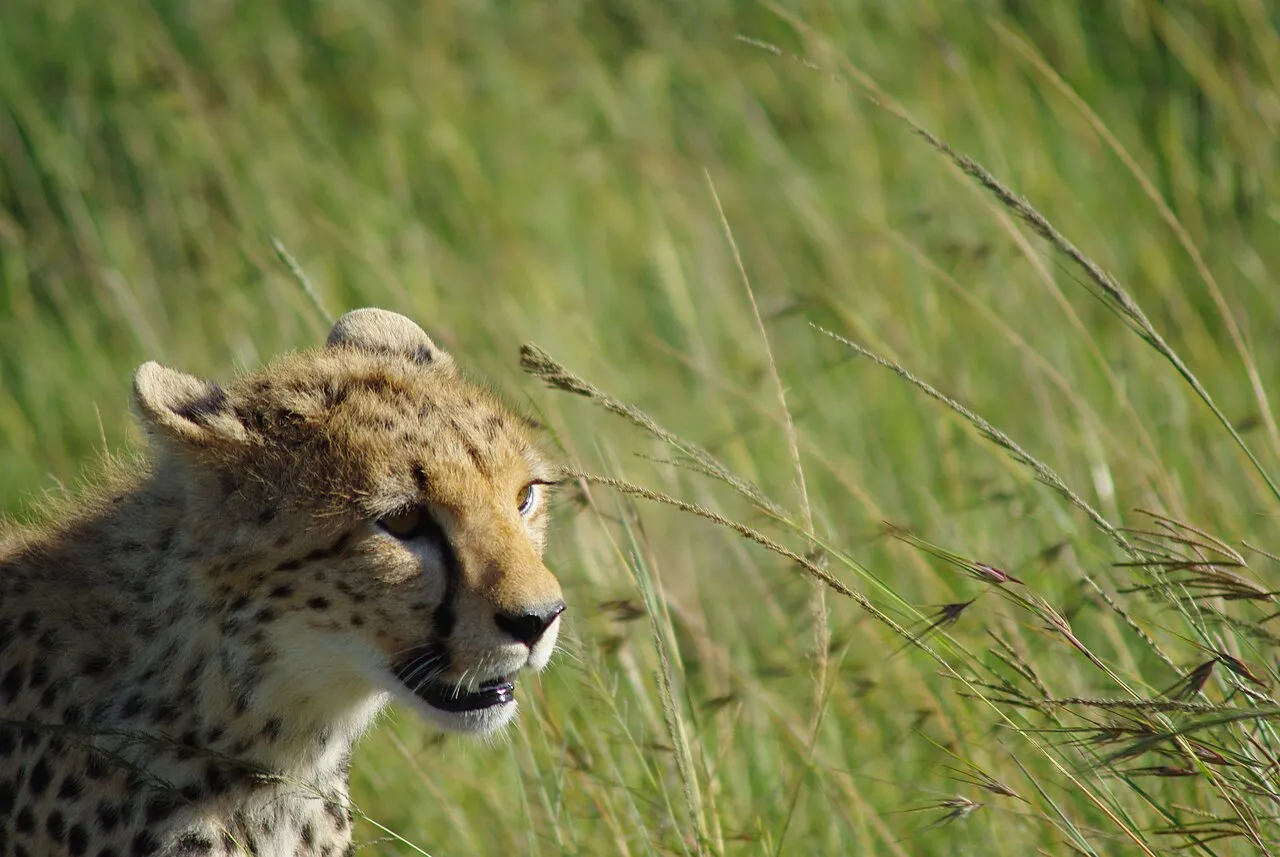
Photography safari: gear & tips from the pros
What's actually worth packing for wildlife photography, and the habits that matter more than any piece of equipment.
Safari Photography · photographic safari · safari holidays
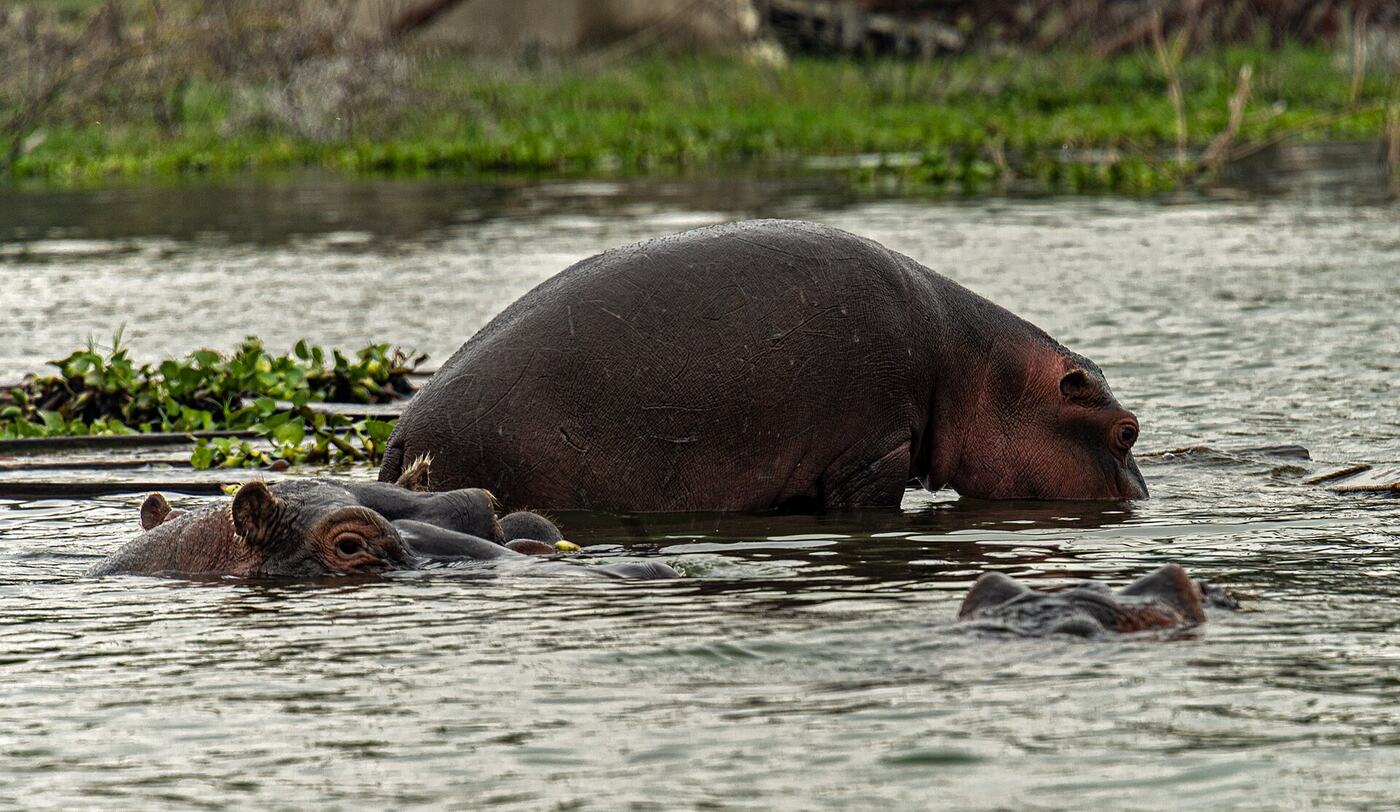
Before you buy another lens, think about the light, time and guiding your photography trip needs. The best wildlife photographs come down to time spent waiting, understanding light, and being positioned correctly when something happens — gear is a distant second consideration, though the right kit still makes a real difference.
Here's a practical rundown for anyone planning a photography-focused trip.
Matching gear to subject
| Subject | Lens choice | Best location |
|---|---|---|
| Big cats at rest or hunting | 100–400mm+ zoom | Mara conservancies |
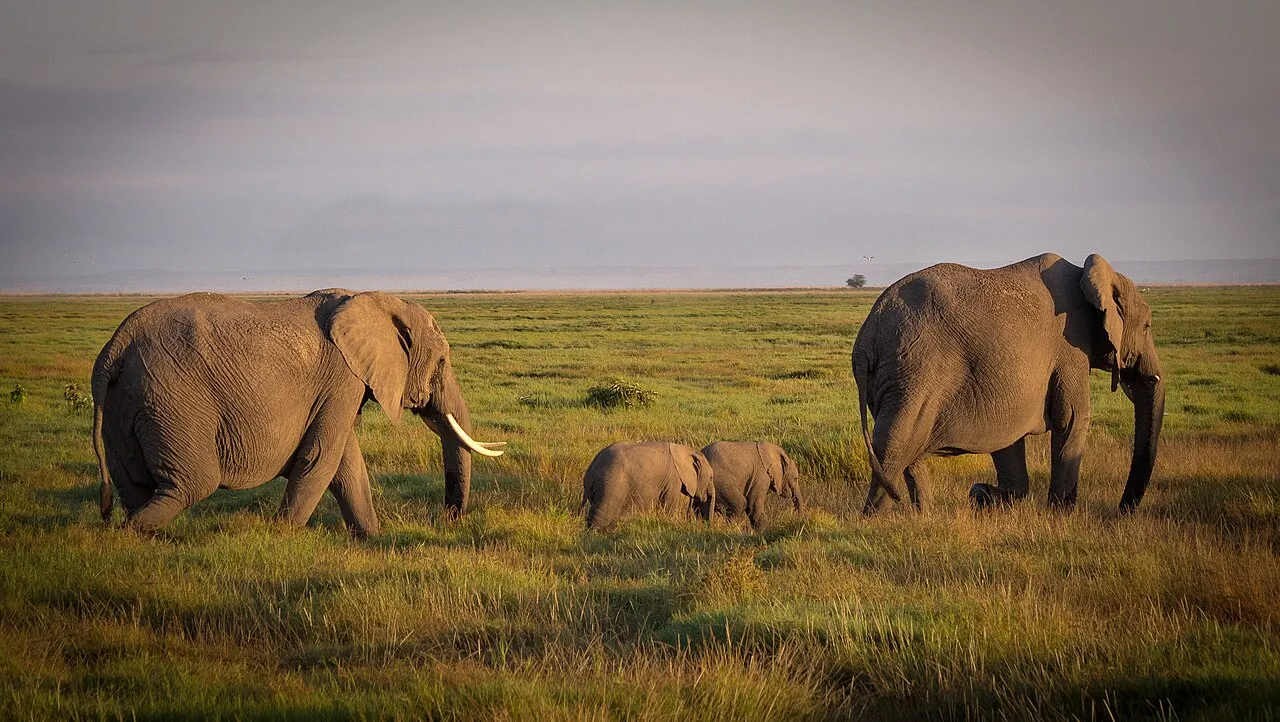
| Elephants with scenic backdrop | Mid-range zoom or wide | Amboseli |
| Calving-season action | Fast zoom, high shutter speed | Southern Serengeti |
Highlights
- Building a sensible kit
- Why the vehicle matters
- Technique that improves results fast
- Where to point your camera
01
Building a sensible kit
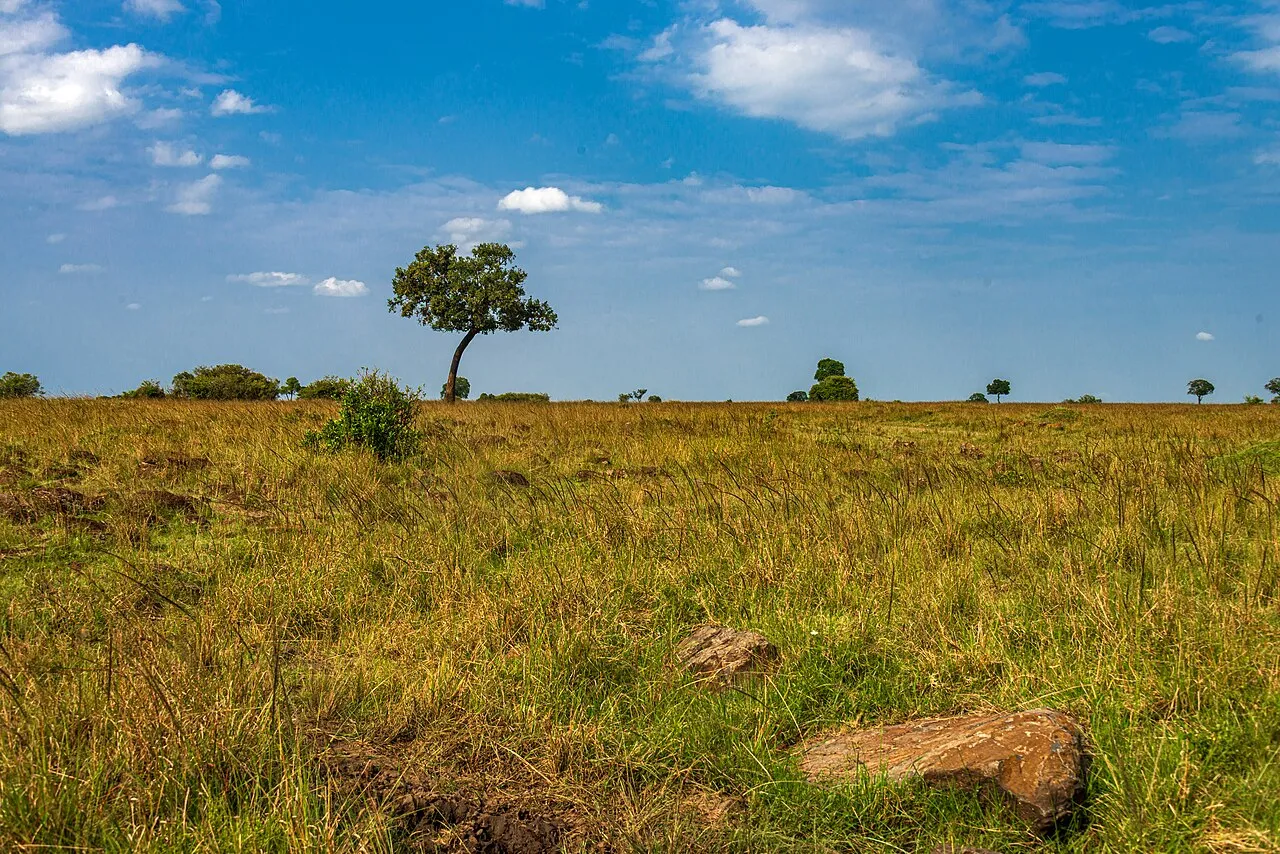
A camera body with reliable autofocus tracking, a long zoom lens in the 100–400mm range or longer for distant subjects, a wider lens for landscapes and habitat shots, and a beanbag to steady long lenses on a vehicle's door or roof.
02
Why the vehicle matters
A private vehicle with a guide who understands light and animal behaviour lets you linger at a sighting and wait for the moment, rather than moving on to satisfy other guests on a shared drive.
03
Technique that improves results fast
Shoot from as close to eye level with your subject as the vehicle allows, focus precisely on the eyes, use a fast shutter speed to freeze action and a slower one deliberately for creative motion blur on running animals.
04
Where to point your camera
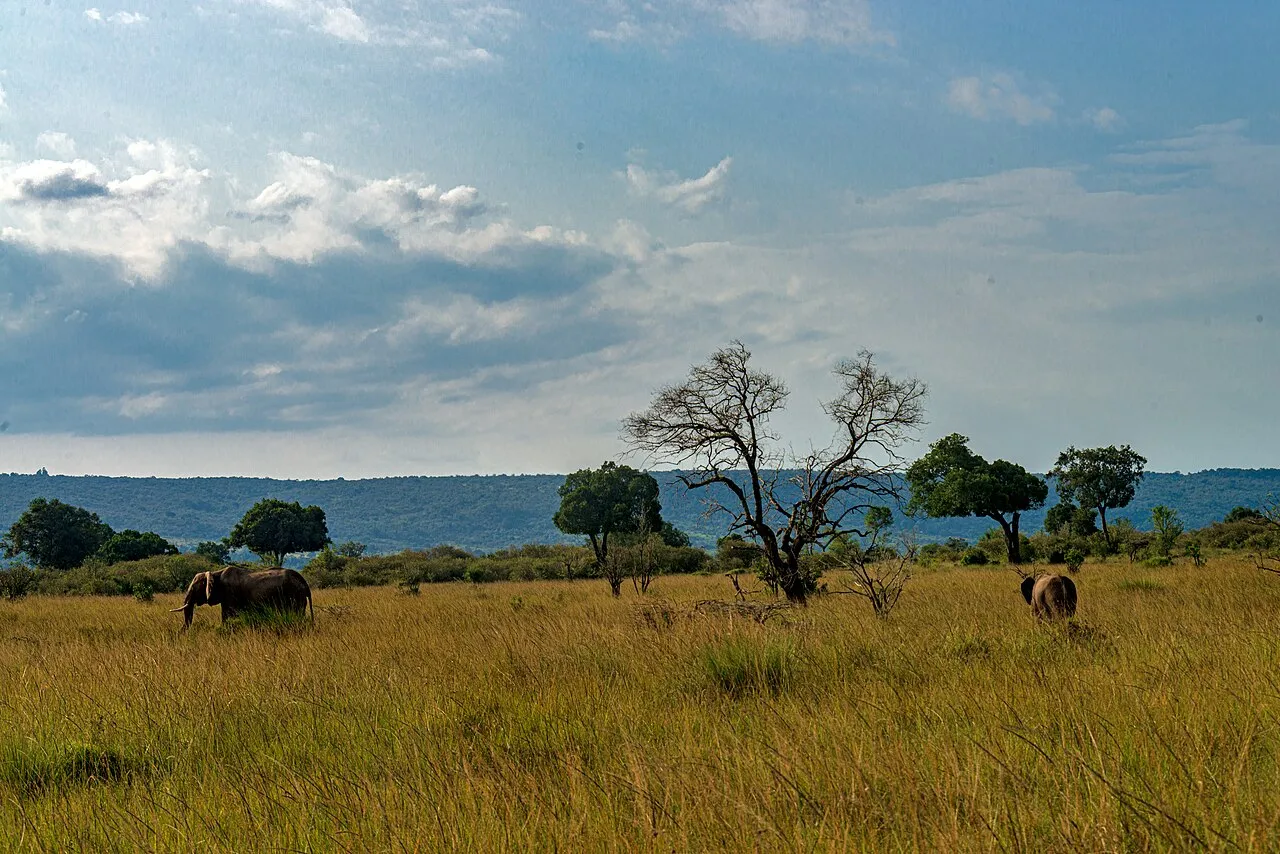
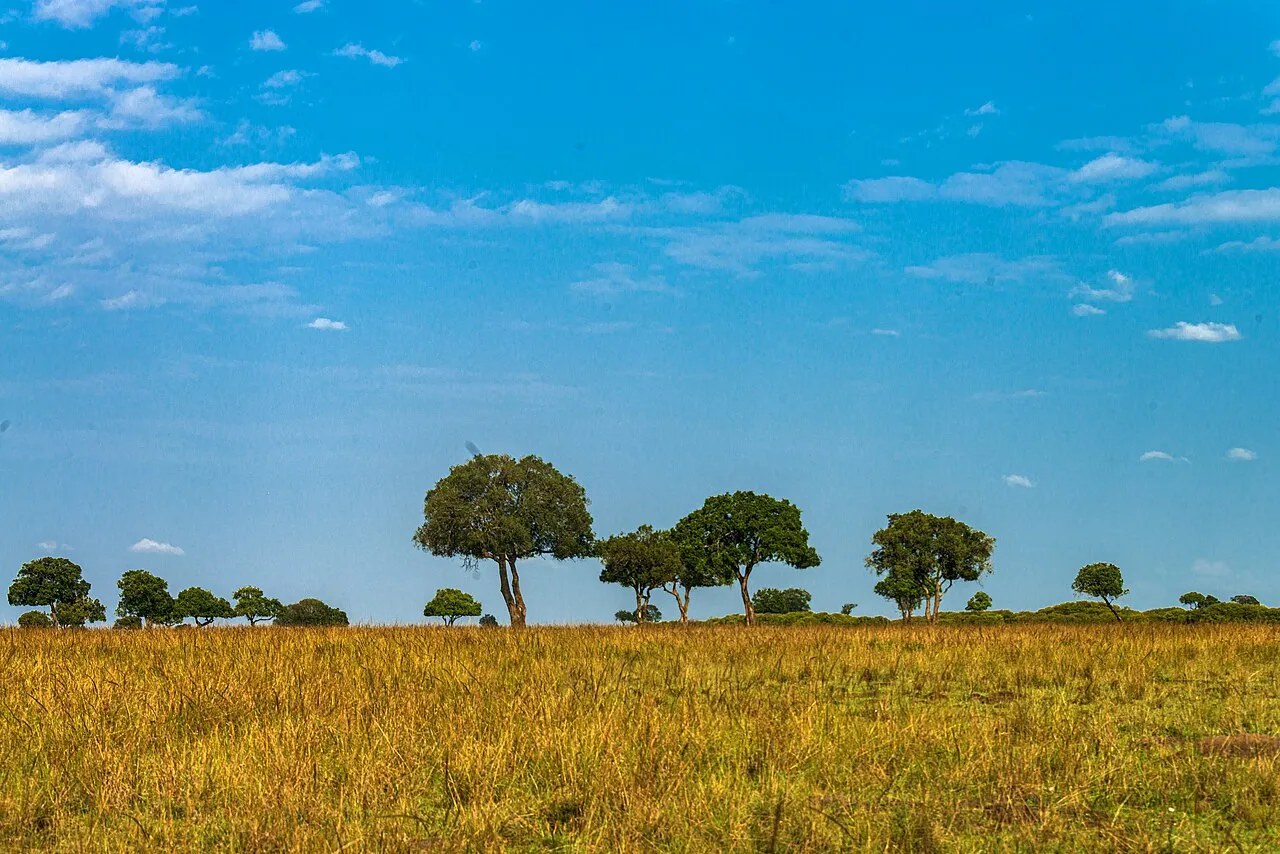
Mara conservancies for reliable big-cat sightings, Amboseli for elephant herds silhouetted against Kilimanjaro, and the southern Serengeti's calving season for high-energy predator-prey action.
Dos
- Bring a zoom lens (100–400mm or similar)
- Use a beanbag for steady shots from the vehicle
- Carry spare batteries and memory cards
- Shoot in the golden hours after sunrise and before sunset
- Ask your guide to position the vehicle for light
Don'ts
- Don't use flash on wildlife
- Don't ask the guide to go off-road where it's banned
- Don't change lenses in dusty wind
- Don't spend the whole trip behind the camera
- Don't disturb animals for a shot
What's usually included
- Vehicle with open roof or pop-up top
- Guide experienced with photographers
- Extra-long game drives where allowed
- Accommodation and meals
- Park fees
- Airport transfers
Usually not included
- International flights
- Visa fees
- Travel insurance
- Tips for guides and camp staff
- Personal items and souvenirs
- Premium drinks unless all-inclusive
- Optional activities not in your itinerary
Keep exploring
Your trip price, without guesswork
Your accommodation and flights need a quote for your dates, room arrangement and availability. Compare the full journey total, not a nightly headline: meals, transport, guiding, entry fees and optional activities should be clear. Published tariffs may change; we reconfirm the applicable fees before you book.
Our editorial values
Original travel guidance by Dennis Njoroge, CEO of Perch Africa Safaris. Wildlife and weather are never guaranteed. Published fees link to their authority sources; camp and flight prices are confirmed for your own journey. You receive your full itinerary and matching proforma before payment.
Related on Perch Africa
Why settle for a brochure safari
Plan Kenya travel with a team that plans it around you
- Private guide and vehicle
- Named stays and itemised costs
- Availability checked before confirmation
Planning photography safari: gear & tips from the pros?
Get a free, costed itinerary with real availability. No payment and no commitment until you are happy.
Frequently asked questions
Should I bring a tripod?
Generally no — a beanbag resting on the vehicle door or roof is far more practical for safari photography than a tripod.
How much memory and battery capacity should I bring?
More than you think you'll need; a single good sighting can fill a card quickly, and charging opportunities in camp may be limited.
Is a private vehicle essential for serious photography?
It makes a significant difference, since it lets you dictate pace and positioning rather than sharing decisions with other guests.