Beyond the safari: 7 days in Zanzibar
A week-long plan for the island that turns a safari trip's final stretch into proper decompression.
Zanzibar Beaches · safari and beach holidays · Zanzibar honeymoon
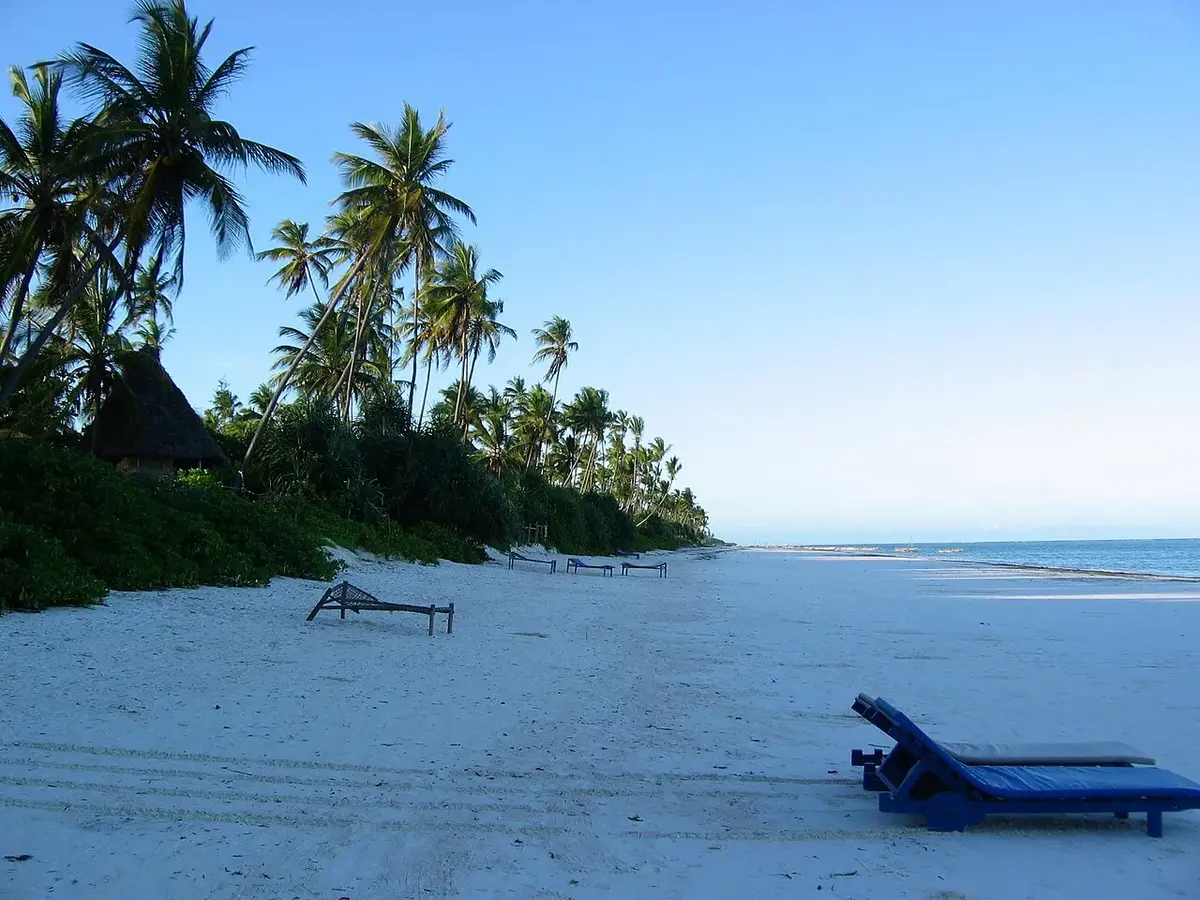
You don't need to fill every day in Zanzibar: leave time to enjoy the coast you came for. After early starts and dusty game drives, a week on Zanzibar is the ideal way to unwind — spice farms and Stone Town's narrow lanes early on, then days of open water and slow evenings.
Here's one way to structure seven days.
Where to base yourself
| Area | Character | Best for |
|---|---|---|
| Stone Town | Historic, cultural | First two days, spice tours |
| North coast (Nungwi/Kendwa) | Lively, gentle tides | Swimming any time of day |
| East coast (Matemwe/Paje) | Quieter, big tidal swings | Kitesurfing, sandbank walks |
Highlights
- Days one and two: Stone Town
- Days three to five: the beach
- Day six: Jozani forest
- Day seven: slow down
01
Days one and two: Stone Town
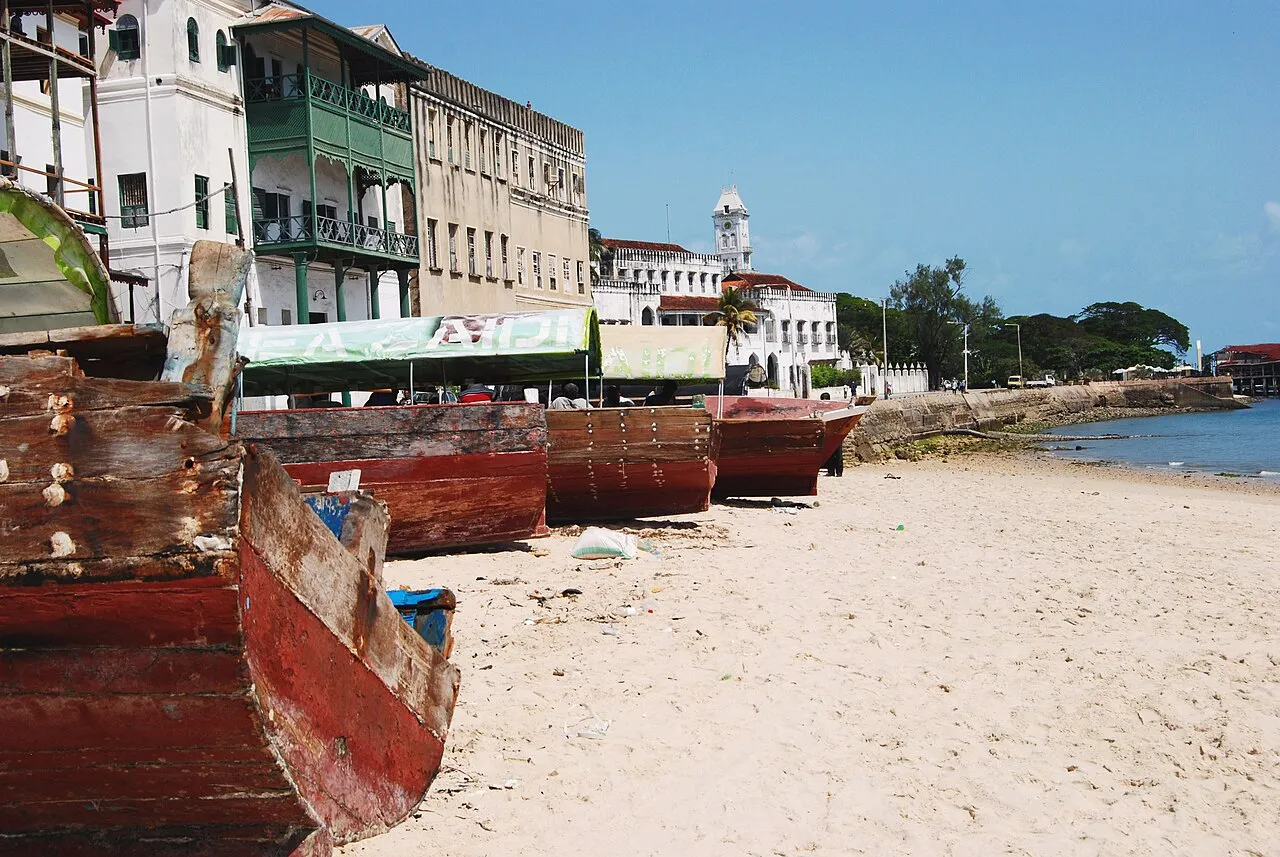
Spend your first couple of days exploring the old town's winding streets and carved doorways, visiting a spice farm inland, and eating fresh seafood and street food at the Forodhani waterfront market in the evening.
02
Days three to five: the beach
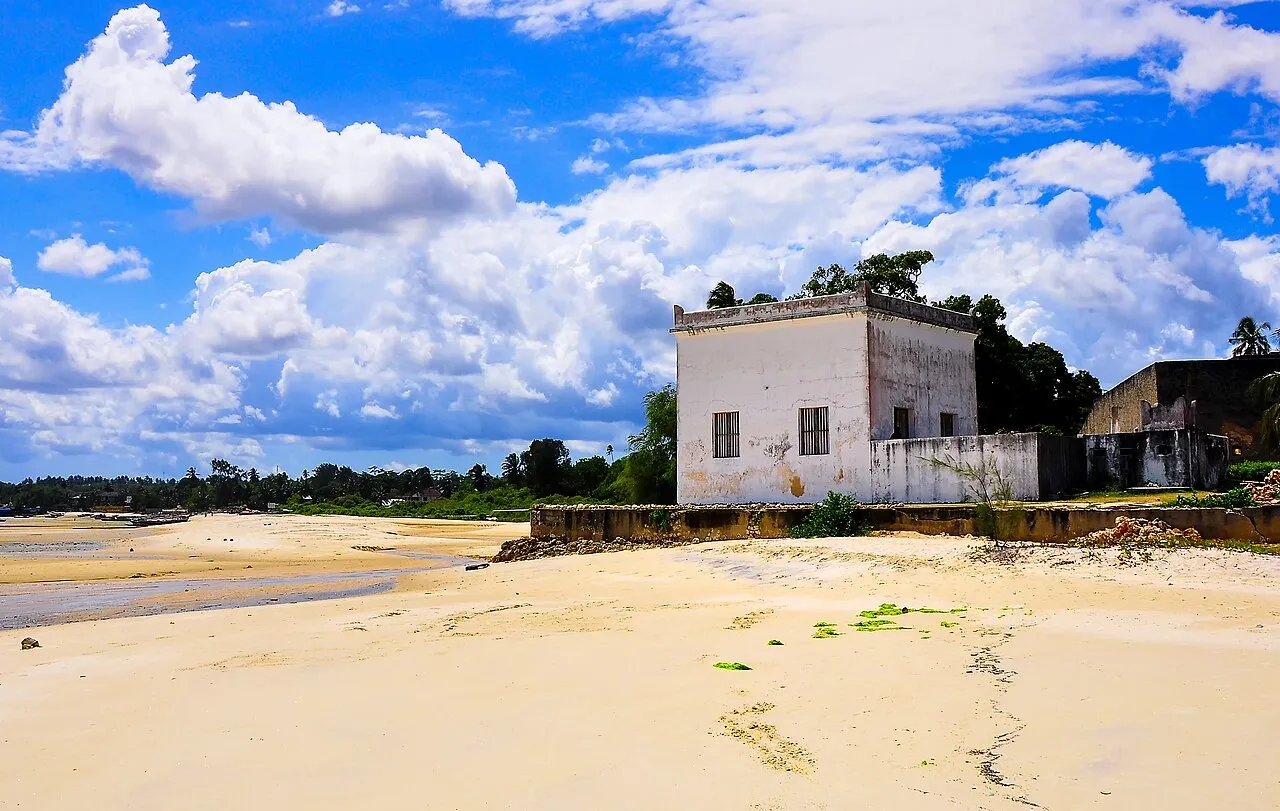
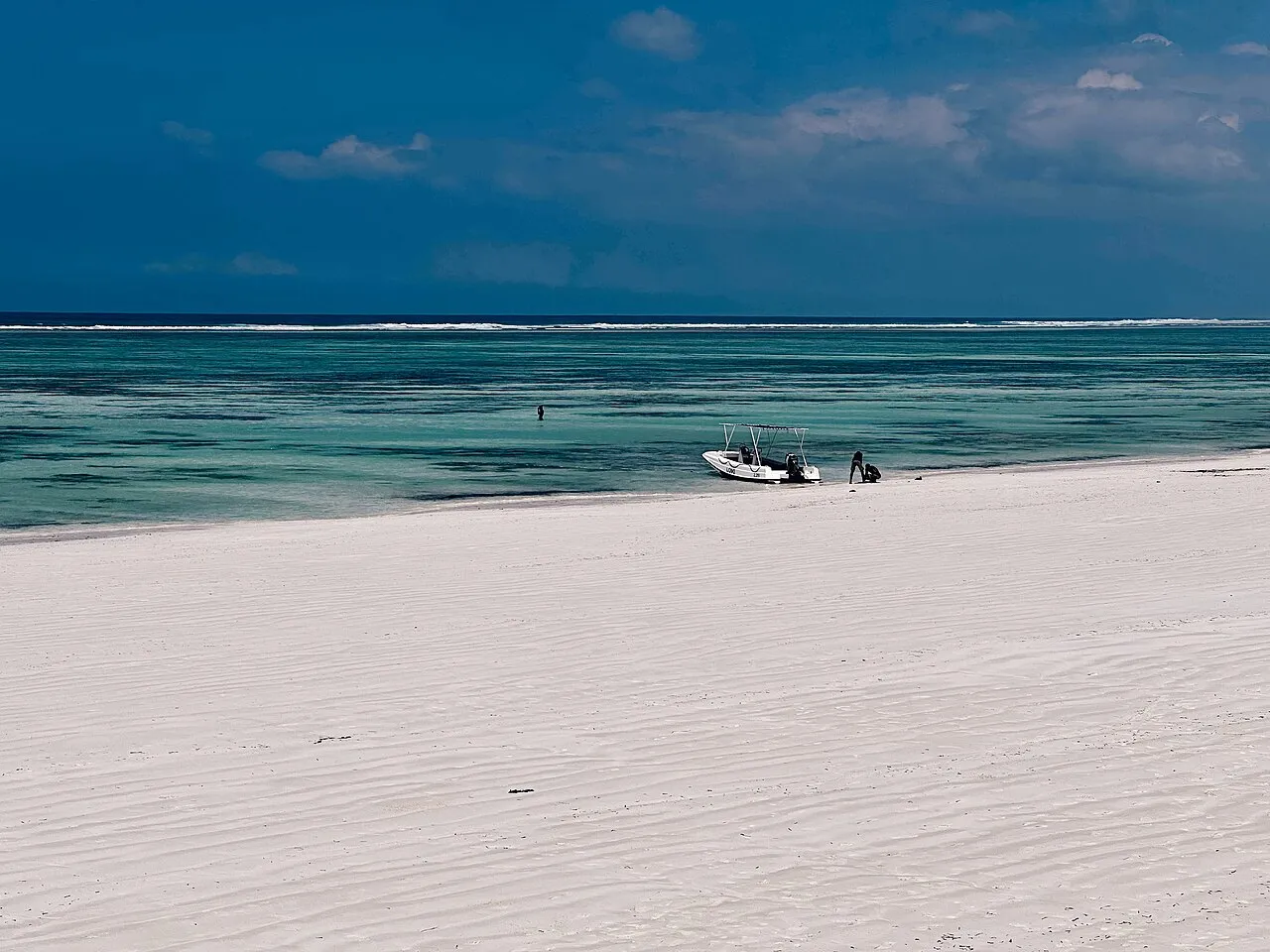
Move north to Nungwi or Kendwa, or east to Matemwe or Paje, for swimming, snorkelling trips out to Mnemba atoll, and sunset dhow cruises. The north has gentler tides for swimming at any hour; the east sees bigger tidal swings that expose sandbanks at low water.
03
Day six: Jozani forest
A short excursion to Jozani Chwaka Bay National Park to see the endemic red colobus monkeys up close, plus a boardwalk through mangrove forest.

04
Day seven: slow down
Keep the final day light — a spa treatment, a swim in the lagoon at low tide, and one last seafood dinner before an early flight home.
Dos
- Finish your safari with the beach to unwind
- Dress modestly in Stone Town and villages
- Check tide times for swimming and snorkelling
- Use reef-safe sunscreen
- Carry some cash for markets and tips
Don'ts
- Don't wear swimwear away from the beach
- Don't touch or stand on coral
- Don't photograph locals without asking
- Don't leave valuables unattended on the sand
- Don't underestimate the midday sun
What's usually included
- Beach hotel or villa
- Breakfast (or all-inclusive where chosen)
- Transfers between safari and coast
- Welcome and hotel support
- Optional tours we arrange
- 24/7 specialist support
Usually not included
- International flights
- Visa fees
- Travel insurance
- Tips for guides and camp staff
- Personal items and souvenirs
- Premium drinks unless all-inclusive
- Optional activities not in your itinerary
Keep exploring
Your trip price, without guesswork
Your accommodation and flights need a quote for your dates, room arrangement and availability. Compare the full journey total, not a nightly headline: meals, transport, guiding, entry fees and optional activities should be clear. Published tariffs may change; we reconfirm the applicable fees before you book.
Our editorial values
Original travel guidance by Dennis Njoroge, CEO of Perch Africa Safaris. Wildlife and weather are never guaranteed. Published fees link to their authority sources; camp and flight prices are confirmed for your own journey. You receive your full itinerary and matching proforma before payment.
Related on Perch Africa
Why settle for a brochure safari
Plan Tanzania travel with a team that plans it around you
- Private guide and vehicle
- Named stays and itemised costs
- Availability checked before confirmation
Planning beyond the safari: 7 days in zanzibar?
Get a free, costed itinerary with real availability. No payment and no commitment until you are happy.
Frequently asked questions
Is Zanzibar a good idea year-round?
Mostly yes, with the notable exception of April and May, when heavy rains make it a less reliable choice.
Should I split time between Stone Town and the beach?
Yes — a couple of days inland for culture and spice farms balances well against several days purely on the coast.
What should I wear in Stone Town and villages?
Modest dress covering shoulders and knees is appropriate, reflecting the island's predominantly Muslim culture.