Fly-in safari: why flying beats driving
Road transfers between East African parks can eat a full day; light-aircraft flights turn that into an hour and hand the time back to game drives.
Fly-In Safari · hot air balloon safari · luxury safari
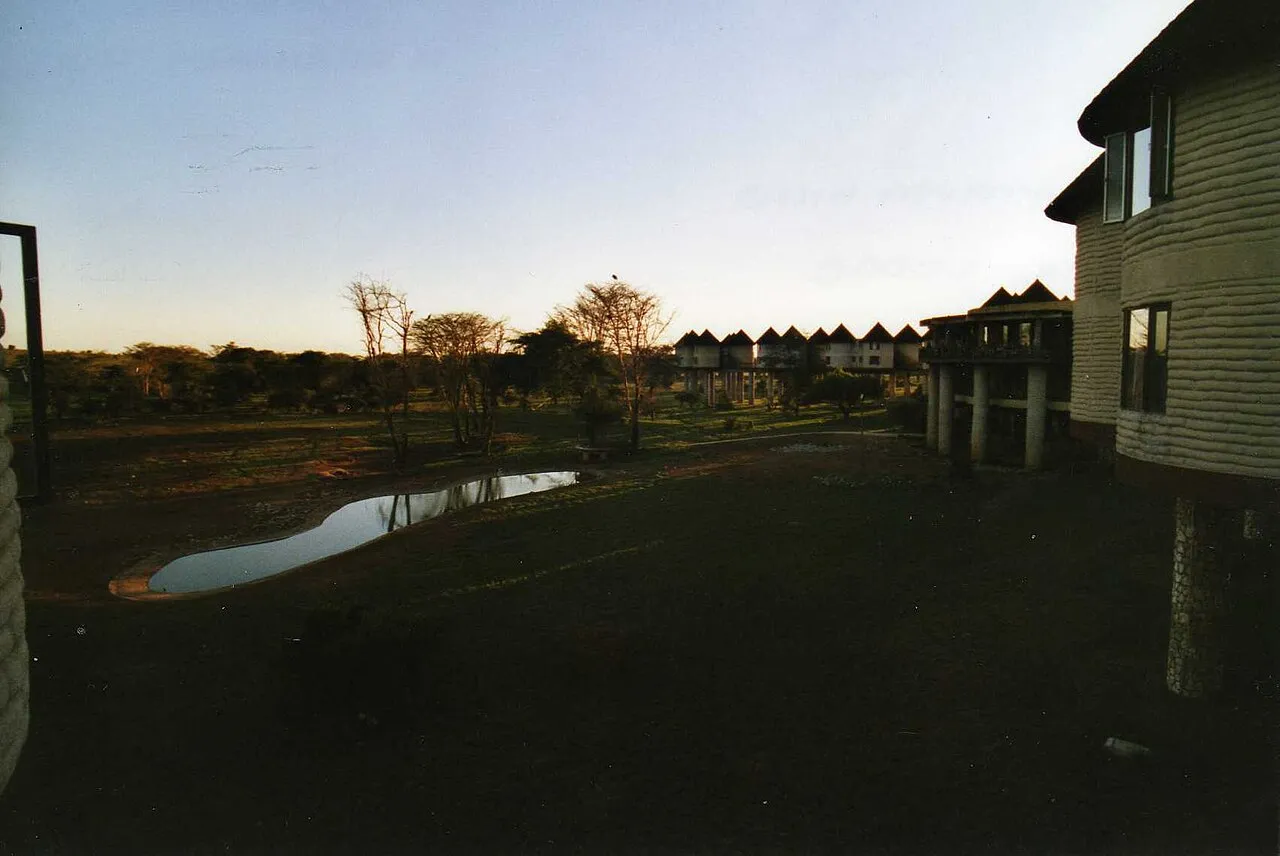
You may prefer to spend your time at camp rather than on long road transfers. Choosing to fly rather than drive between camps changes the shape of a safari more than almost any other decision. It costs more per transfer, but on itineraries covering several parks, it usually buys back enough time to justify the investment.
Flying vs driving between parks
| Transfer type | Typical time | Trade-off |
|---|---|---|
| Light-aircraft flight | Under 1-2 hours | Luggage limits, higher cost per transfer |
| Private road transfer | 4-8 hours depending on route | Scenic, but uses a half or full day |
| Scheduled shuttle/shared vehicle | Similar to private road | Lower cost, less flexible timing |
Highlights
- More time actually on safari
- Luggage limits to plan around
- Routes that work well by air
01
More time actually on safari
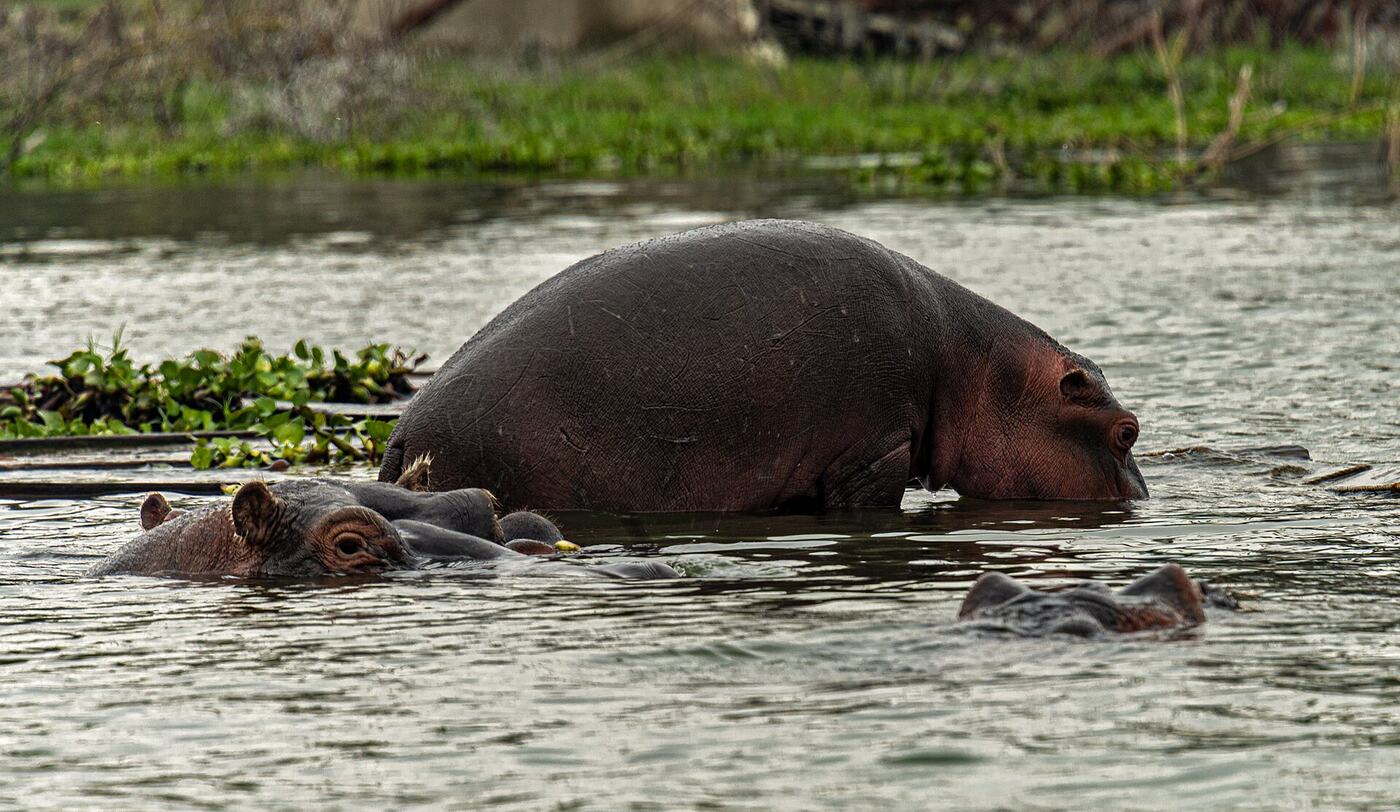
A flight that replaces a five- or six-hour road transfer typically lands in time for a refreshing afternoon game drive. Across a full itinerary, this shift can add two extra drives compared with the equivalent road trip. You will spend less time navigating dusty highways and more time observing wildlife from the comfort of an open-sided cruiser.
02
Luggage limits to plan around
Most light aircraft used on safari routes restrict checked luggage to around 15kg. It is crucial to use soft-sided bags, as hard-shell suitcases simply will not fit into the small, irregular hold spaces of a Cessna Caravan or similar bush plane. Exact limits vary by operator, so always confirm these details before you start packing your binoculars and layers.
03
Routes that work well by air
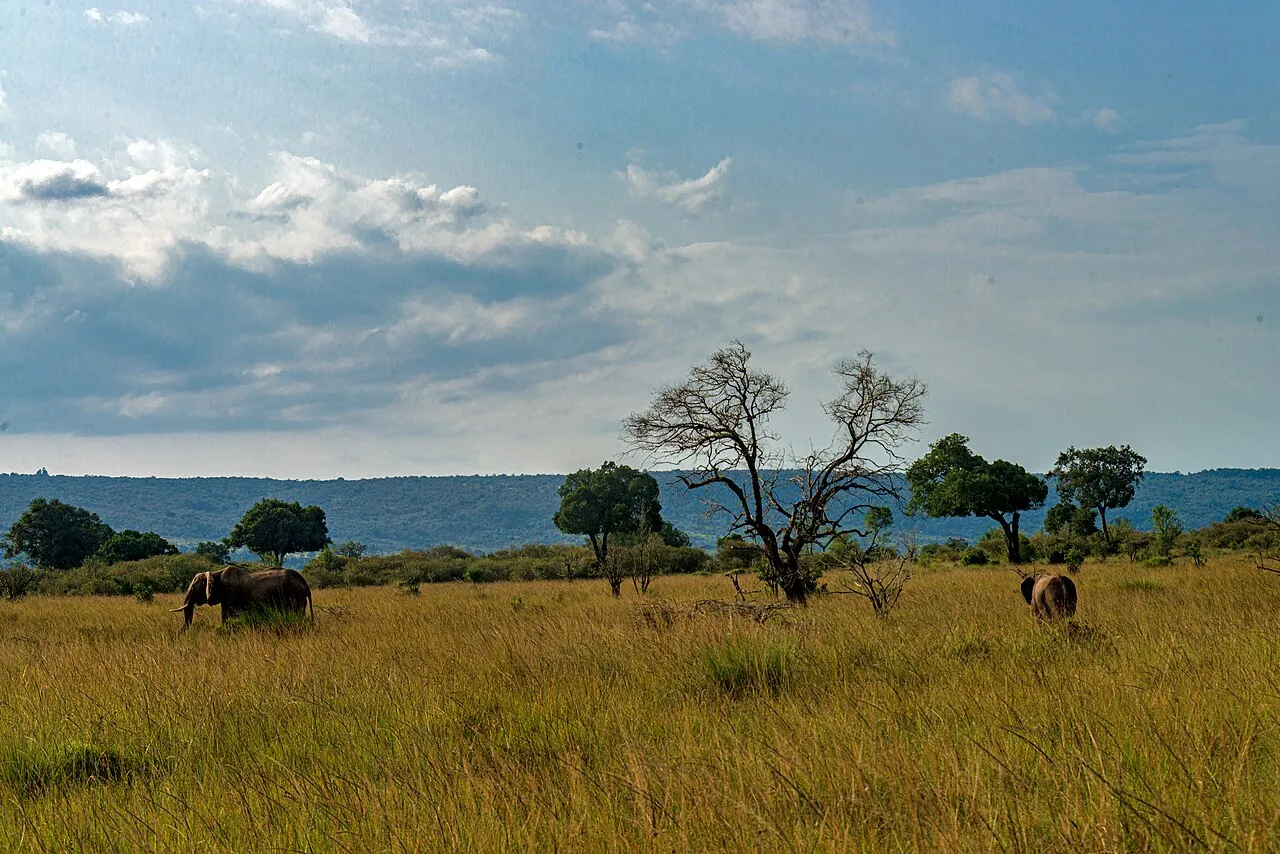
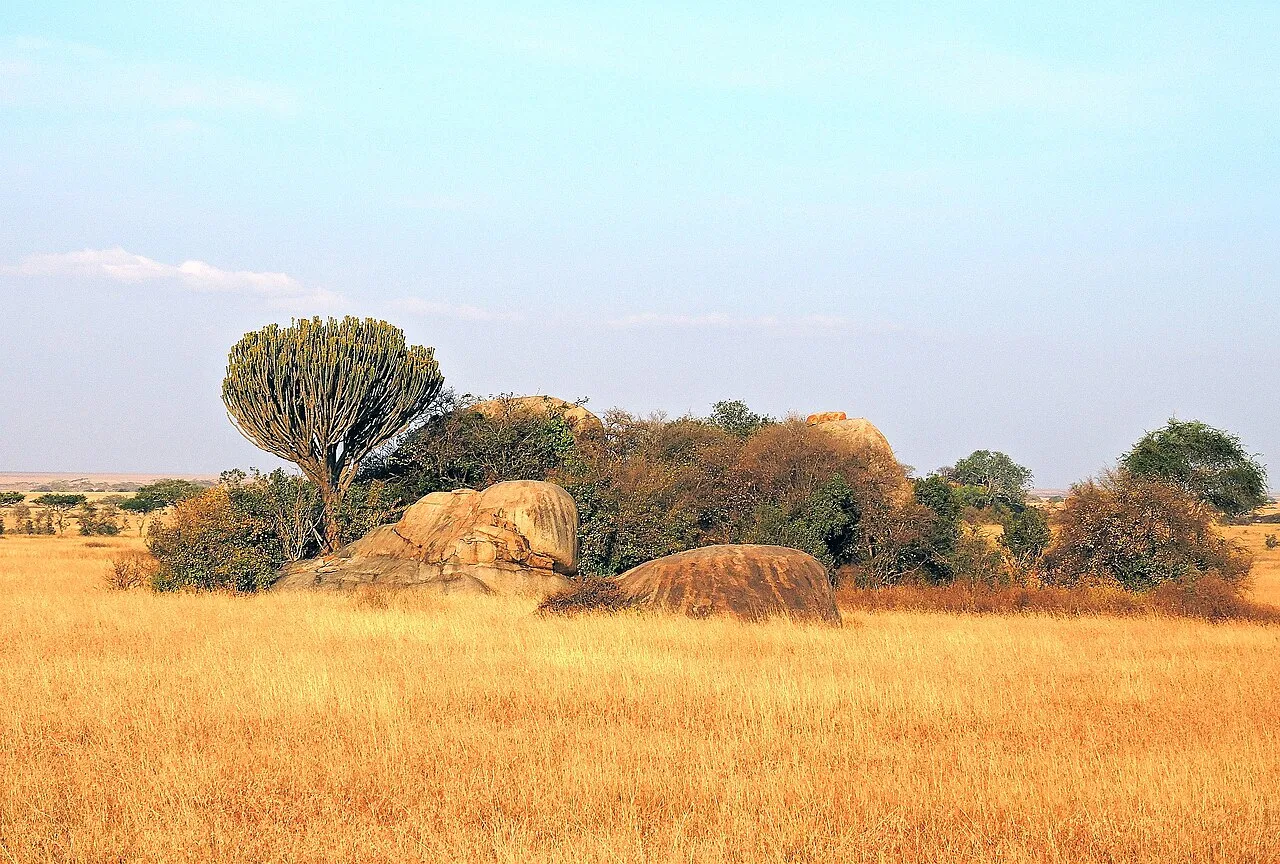
Nairobi to the Maasai Mara, the Mara to Zanzibar, and multi-area Serengeti circuits are all well served by scheduled light-aircraft routes. These connections cut what would otherwise be long, tiring, or impractical road journeys across rugged terrain.
Flying also offers a breathtaking aerial perspective of the Great Rift Valley and the vast savannah plains below, providing a unique vantage point for photography that road travel cannot replicate.
Dos
- Wear neutral colours — khaki, olive, sand
- Pack layers for cold early game drives
- Stay seated and keep voices low near animals
- Follow your guide's instructions at all times
- Drink plenty of water and use sunscreen
Don'ts
- Don't wear bright colours, white or camouflage
- Don't feed or call to animals
- Don't leave the vehicle unless your guide says so
- Don't use drones — they need special permits
- Don't bring plastic bags (banned in Kenya and Tanzania)
What's usually included
- Accommodation in your chosen level
- Meals as listed in your itinerary
- Game drives with a professional guide
- Park and conservancy entry fees
- Airport pick-up and drop-off
- Drinking water in the vehicle
Usually not included
- International flights
- Visa fees
- Travel insurance
- Tips for guides and camp staff
- Personal items and souvenirs
- Premium drinks unless all-inclusive
- Optional activities not in your itinerary
Keep exploring
Published fees to plan around
Sources checked 7 October 2026 · US dollars · fees only, not full safari prices
| Fee | Published amount | Who and when |
|---|---|---|
| Ngorongoro Conservation Area · adult entry | US$70.80 | Non-East African citizen aged 16 or above, per person. Published permit is valid for one entry within 24 hours. Accommodation and vehicle charges are separate.Ngorongoro Conservation Area Authority tariffs |
| Ngorongoro · crater service | US$295 | Non-East African citizens, per vehicle per crater trip, not per person. This is additional to conservation-area entry.Ngorongoro Conservation Area Authority tariffs |
Your accommodation and flights need a quote for your dates, room arrangement and availability. Compare the full journey total, not a nightly headline: meals, transport, guiding, entry fees and optional activities should be clear. Published tariffs may change; we reconfirm the applicable fees before you book.
Our editorial values
Original travel guidance by Dennis Njoroge, CEO of Perch Africa Safaris. Wildlife and weather are never guaranteed. Published fees link to their authority sources; camp and flight prices are confirmed for your own journey. You receive your full itinerary and matching proforma before payment.
Why settle for a brochure safari
Plan Tanzania travel with a team that plans it around you
- Private guide and vehicle
- Named stays and itemised costs
- Availability checked before confirmation
Planning fly-in safari: why flying beats driving?
Get a free, costed itinerary with real availability. No payment and no commitment until you are happy.
Frequently asked questions
Are fly-in safaris worth the extra cost?
For trips under about ten days covering multiple parks, flying usually pays off. It maximises your wildlife viewing time and ensures a significantly more comfortable transfer between remote regions.