
Kenya · Between Nairobi and the coast
Tsavo East & Tsavo West
Kenya's biggest wilderness — red elephants, lava country and Mzima Springs.
Trip planner
Plan a safari to Tsavo East & Tsavo West
Start with Tsavo East & Tsavo West, then choose dates, stays and transport for a complete costed itinerary.
See what your itinerary includesPrivate guide & vehicle
Never shared with strangers
Park fees in the price
Line-by-line proforma
Real camp availability
Checked before we quote
50% deposit secures it
Balance paid closer to travel
Together the two Tsavos protect roughly four per cent of Kenya's land area. Tsavo East is arid, open and vast, with the Galana River drawing game to its banks and elephants stained ochre by the local soil. Tsavo West is greener and more dramatic: volcanic hills, the Shetani lava flow and the crystal pools of Mzima Springs.
Wildlife densities are lower than in the Mara, and that is the point — this is a place for long horizons and few other vehicles, and it slots neatly into a safari that ends on the Indian Ocean.
Why Tsavo East & Tsavo West is unique
- Kenya's largest protected wilderness
- Red-dust elephant herds
- Mzima Springs and volcanic landscapes
- Excellent big-cat and bird viewing
Park, conservation & permit fees
Park entry fee
USD 60 per adult / 24 hrs
Children under 12 are charged at 50% in our costing engine.
Indicative non-resident rates; final charges depend on travel dates, age, residency and authority updates. Confirmed fees appear in your itinerary and proforma invoice.
What you can expect to see
- Elephant, dust-red from the soil, in herds along the Galana
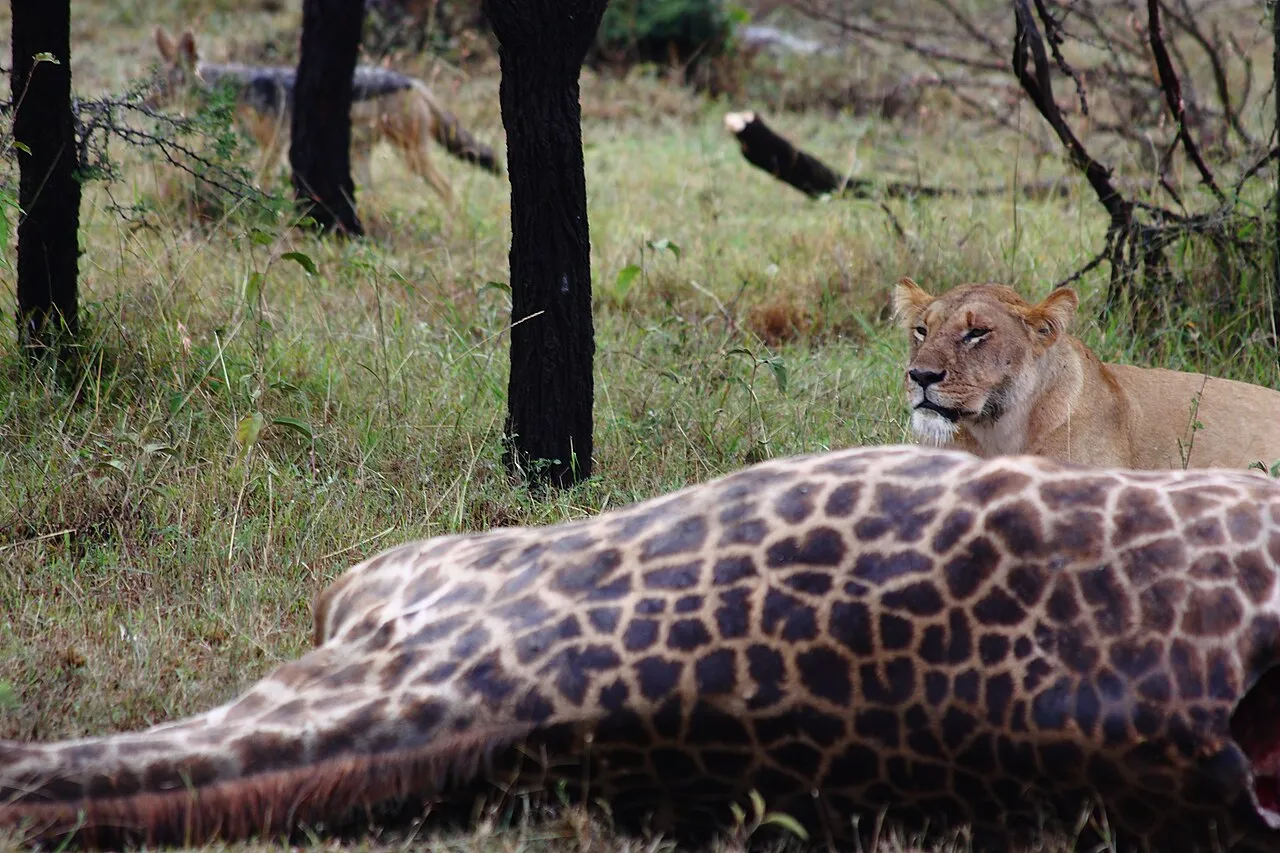
- Lion, including the famously large-bodied Tsavo prides
- Lesser kudu, gerenuk and fringe-eared oryx in the dry bush
- Hippo and crocodile viewed underwater at Mzima Springs
Things to do
- Game drives along the Galana River and Aruba Dam
- Underwater viewing chamber at Mzima Springs
- Shetani lava flow and Chaimu crater walk
- Rhino sanctuary visit at Ngulia (Tsavo West)
- Sundowners at Yatta Plateau viewpoints
When to go
June – October
Dry season; game concentrates on the rivers and waterholes.
January – March
Hot and dry, very good visibility in the open east.
November & April – May
Rains bring green bush and thin sightings, but the lowest rates of the year.
Getting there
- Road on the Nairobi–Mombasa highway, entering at Mtito Andei, Voi or Manyani.
- Light aircraft to Voi, Kilaguni or Finch Hattons airstrips.
- The SGR train stops at Voi and Mtito Andei, which we can meet with a safari vehicle.
Where to base yourself
- Voi and Aruba areas for river-focused Tsavo East drives
- Kilaguni and Mzima area for Tsavo West's volcanic scenery
- Taita Hills and Lumo sanctuaries on the boundary for conservancy-style stays
Planning notes from our team
- Distances are long — take a full-day drive with a packed lunch rather than two short ones.
- This is the natural bridge between a Nairobi safari and a beach stay in Diani or Watamu.
- Bush is thicker in the west; a good guide matters more here than in open parks.
Common questions
East or West?
East for open plains and red elephants, West for scenery, springs and rhino. With three nights we usually do both.
Can I combine Tsavo with the beach?
Yes, that is the classic route: safari on the way down, then a drive or short flight to Diani or Watamu.
Why settle for a brochure safari
Plan a Tsavo East & Tsavo West safari with a team that plans it around you
- Private guide and vehicle
- Named stays and itemised costs
- Availability checked before confirmation
Planning a Tsavo East & Tsavo West safari?
Get a free, costed itinerary with real availability. No payment and no commitment until you are happy.
Simple, no obligation
How to plan your Tsavo East & Tsavo West safari
- 1
Tell us the basics
Dates, who is travelling, budget and what you most want to see. Two minutes in the planner or a short message.
- 2
Get a costed itinerary
A day-by-day route with named camps, flights, park fees and a clear total — plus alternatives if dates are tight.
- 3
Refine, then secure
Change anything until it feels right. A 50% deposit holds your camps; nothing is booked until you say so.