
Kenya · Kajiado County, southern Kenya
Amboseli National Park
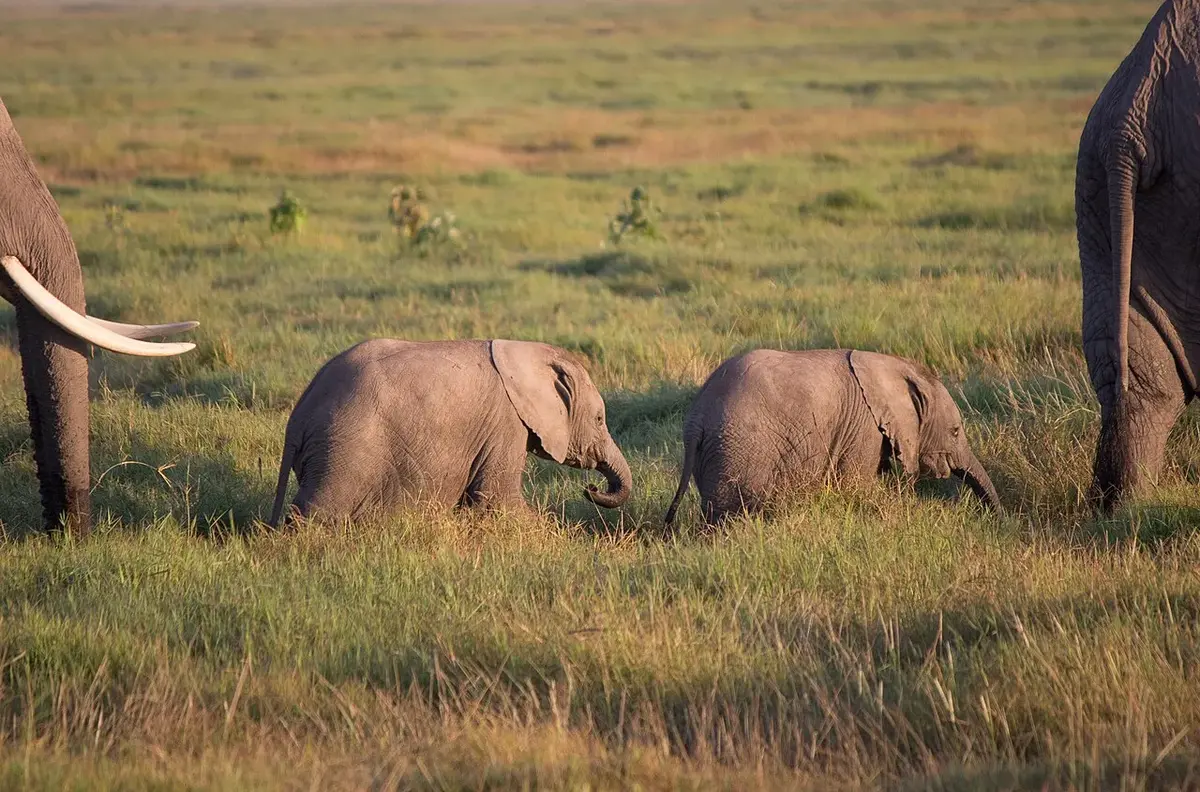
Big-tusked elephant families beneath Kilimanjaro.
Trip planner
Plan a safari to Amboseli National Park
Start with Amboseli National Park, then choose dates, stays and transport for a complete costed itinerary.
See what your itinerary includesPrivate guide & vehicle
Never shared with strangers
Park fees in the price
Line-by-line proforma
Real camp availability
Checked before we quote
50% deposit secures it
Balance paid closer to travel
Amboseli is small, flat and startlingly photogenic. Swamps fed by meltwater from Kilimanjaro keep it green when the surrounding country is dust, which concentrates elephant, buffalo and hippo into a compact area you can cover comfortably in two days.
The elephant population here is among the most studied in the world, and it still holds a handful of genuine big tuskers. Mornings and late afternoons are the moments to be out: the mountain usually clears at dawn and again before sunset.
Why Amboseli National Park is unique
- Massive elephant herds & legendary 'super tuskers'
- Uninterrupted Kilimanjaro views
- Five distinct habitats in one small park
- Observation Hill panoramic viewpoint
Park, conservation & permit fees
Park entry fee
USD 100 per adult / 24 hrs
Children under 12 are charged at 50% in our costing engine.
Indicative non-resident rates; final charges depend on travel dates, age, residency and authority updates. Confirmed fees appear in your itinerary and proforma invoice.
What you can expect to see
- Large, relaxed elephant herds with multi-generation family groups
- Buffalo, hippo and waterbuck in the Enkongo Narok and Longinye swamps
- Lion, spotted hyena and occasional cheetah on the open pans
- Over 400 bird species, with excellent wetland birding
Things to do
- Game drives built around the swamp circuits
- Sunrise or sunset from Observation Hill
- Guided birdwatching in the wetlands
- Cultural visit to a neighbouring Maasai community
- Walking and night drives on adjacent group ranches (outside the park)
When to go
June – October
Dry, dusty and dependable, with the clearest mountain views.
January – February
Hot and clear; excellent photography light.
March – May
Green season; the pans can flood and views of Kilimanjaro are often clouded.
Getting there
- Daily light aircraft from Nairobi Wilson to Amboseli airstrip.
- Road via Emali on good tarmac, then a graded murram stretch to Kimana gate.
- Popular as the second leg of a Mara–Amboseli circuit by air.
Where to base yourself
- Inside the park — closest to the swamps and the mountain views
- Kimana and Selenkay conservancies — walking, night drives, fewer vehicles
- Chyulu Hills side for wider, quieter wilderness with the same skyline
Planning notes from our team
- Pack a dust-proof camera bag; Amboseli's fine ash gets into everything.
- Two nights is usually enough — pair it with Tsavo, the Chyulus or the Mara.
- The mountain hides behind cloud through the middle of the day. Be out early.
Common questions
Will I definitely see Kilimanjaro?
Not guaranteed. In the dry months the summit is usually clear at sunrise and again late afternoon; in the green season it can stay hidden for days.
Is Amboseli good for families?
Yes — short drives, easy terrain and near-certain elephant sightings make it one of the easiest parks for younger children.
Why settle for a brochure safari
Plan a Amboseli National Park safari with a team that plans it around you
- Private guide and vehicle
- Named stays and itemised costs
- Availability checked before confirmation
Planning a Amboseli National Park safari?
Get a free, costed itinerary with real availability. No payment and no commitment until you are happy.
Simple, no obligation
How to plan your Amboseli National Park safari
- 1
Tell us the basics
Dates, who is travelling, budget and what you most want to see. Two minutes in the planner or a short message.
- 2
Get a costed itinerary
A day-by-day route with named camps, flights, park fees and a clear total — plus alternatives if dates are tight.
- 3
Refine, then secure
Change anything until it feels right. A 50% deposit holds your camps; nothing is booked until you say so.