
Kenya · Narok County, south-west Kenya
Maasai Mara National Reserve
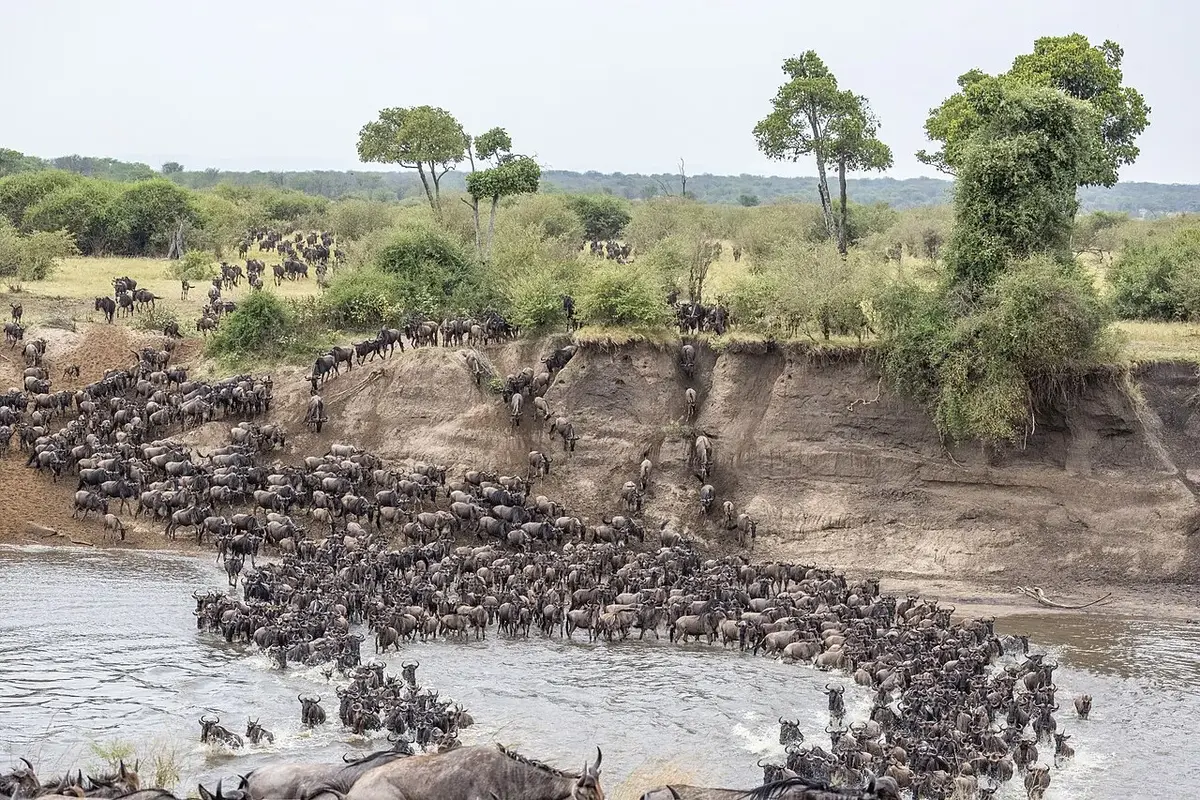
Open plains, unrivalled predator density and the Mara River crossings.
Trip planner
Plan a safari to Maasai Mara National Reserve
Start with Maasai Mara National Reserve, then choose dates, stays and transport for a complete costed itinerary.
See what your itinerary includesPrivate guide & vehicle
Never shared with strangers
Park fees in the price
Line-by-line proforma
Real camp availability
Checked before we quote
50% deposit secures it
Balance paid closer to travel
The Maasai Mara is the northern tip of the same ecosystem as the Serengeti, and it behaves like it: short-grass plains, riverine forest along the Mara and Talek rivers, and game that moves freely across an unfenced landscape. It is the reserve most first-time visitors picture when they think of a safari, and it earns that reputation on almost any day of the year.
What makes it exceptional is not only the migration months. Resident lion prides, cheetah on the Topi Plains and leopard in the river forest are here year-round, and the surrounding private conservancies let you leave the busier tracks behind for night drives, walking and far fewer vehicles at a sighting.
Why Maasai Mara National Reserve is unique
- Annual Great Migration river crossings (Jul–Oct)
- Highest lion density in Africa
- Resident leopards along the Talek & Mara Rivers
- Maasai cultural villages & beadwork
- Hot-air balloon safaris at sunrise
Park, conservation & permit fees
Park entry fee
USD 200 per adult / 24 hrs
Children under 12 are charged at 50% in our costing engine.
Indicative non-resident rates; final charges depend on travel dates, age, residency and authority updates. Confirmed fees appear in your itinerary and proforma invoice.
What you can expect to see
- Lion — several well-studied prides across the reserve and conservancies
- Cheetah on the open plains, often with cubs in the long rains aftermath
- Leopard along the Mara, Talek and Olare Orok watercourses
- Elephant, buffalo and both black and white rhino (black rhino most reliably in the Mara Triangle)
- Wildebeest and zebra in vast numbers from roughly July to October
Things to do
- Morning, afternoon and full-day game drives
- Hot-air balloon flight at first light with a bush breakfast
- Guided walking safari (conservancies and private land only)
- Night drive with a spotlight (conservancies only)
- Time with a Maasai family or community project, arranged through the camp
When to go
July – October
Migration herds and river crossings; the busiest and priciest window.
January – February
Dry, warm, excellent big-cat viewing with far fewer vehicles.
June & November
Shoulder value — green landscapes, good game, softer rates.
April – May
Long rains. Some camps close; those open offer the year's lowest rates.
Getting there
- Scheduled light aircraft from Nairobi Wilson to Keekorok, Ol Kiombo, Mara North or Angama airstrips.
- Road transfer via Narok — tarmac most of the way, then rough murram inside the reserve.
- Charter connections onward to Amboseli, Samburu, Nanyuki or the coast are straightforward.
Where to base yourself
- Mara Triangle — quieter western sector managed by the Mara Conservancy
- Olare Motorogi, Naboisho and Mara North conservancies — low vehicle density, premium camps
- Talek and Sekenani gates — the best value mid-range camps
Planning notes from our team
- Conservancy bed-night fees are charged in addition to reserve entry; we always itemise both on your quote.
- River crossings cannot be scheduled — plan at least three nights to give yourself a fair chance.
- Off-road driving is not permitted inside the reserve; conservancies allow it under guide discretion.
- Drones require written authorisation and are effectively not permitted for visitors.
Common questions
How many nights should I spend in the Mara?
Three nights is our minimum recommendation, four in migration season. Two nights leaves you with barely one full day of game viewing after transfers.
Is the migration guaranteed in July?
No. The herds move with rainfall and grazing, so timing shifts each year. Early July can still be quiet; August and September are historically the most reliable.
Reserve or conservancy?
The reserve has the river crossings and the biggest plains; the conservancies have fewer vehicles, walking and night drives. Many of our itineraries split nights between the two.
Why settle for a brochure safari
Plan a Maasai Mara National Reserve safari with a team that plans it around you
- Private guide and vehicle
- Named stays and itemised costs
- Availability checked before confirmation
Planning a Maasai Mara National Reserve safari?
Get a free, costed itinerary with real availability. No payment and no commitment until you are happy.
Simple, no obligation
How to plan your Maasai Mara National Reserve safari
- 1
Tell us the basics
Dates, who is travelling, budget and what you most want to see. Two minutes in the planner or a short message.
- 2
Get a costed itinerary
A day-by-day route with named camps, flights, park fees and a clear total — plus alternatives if dates are tight.
- 3
Refine, then secure
Change anything until it feels right. A 50% deposit holds your camps; nothing is booked until you say so.