
Tanzania · Northern Tanzania
Serengeti National Park
Endless plains and a migration that never stops moving.
Trip planner
Plan a safari to Serengeti National Park
Start with Serengeti National Park, then choose dates, stays and transport for a complete costed itinerary.
See what your itinerary includesPrivate guide & vehicle
Never shared with strangers
Park fees in the price
Line-by-line proforma
Real camp availability
Checked before we quote
50% deposit secures it
Balance paid closer to travel
The Serengeti is enormous, and where you stay matters more than in any other park in East Africa. The southern plains hold the calving herds early in the year; the western corridor sees the Grumeti crossings around June; the north delivers the Mara River drama from roughly July to October.
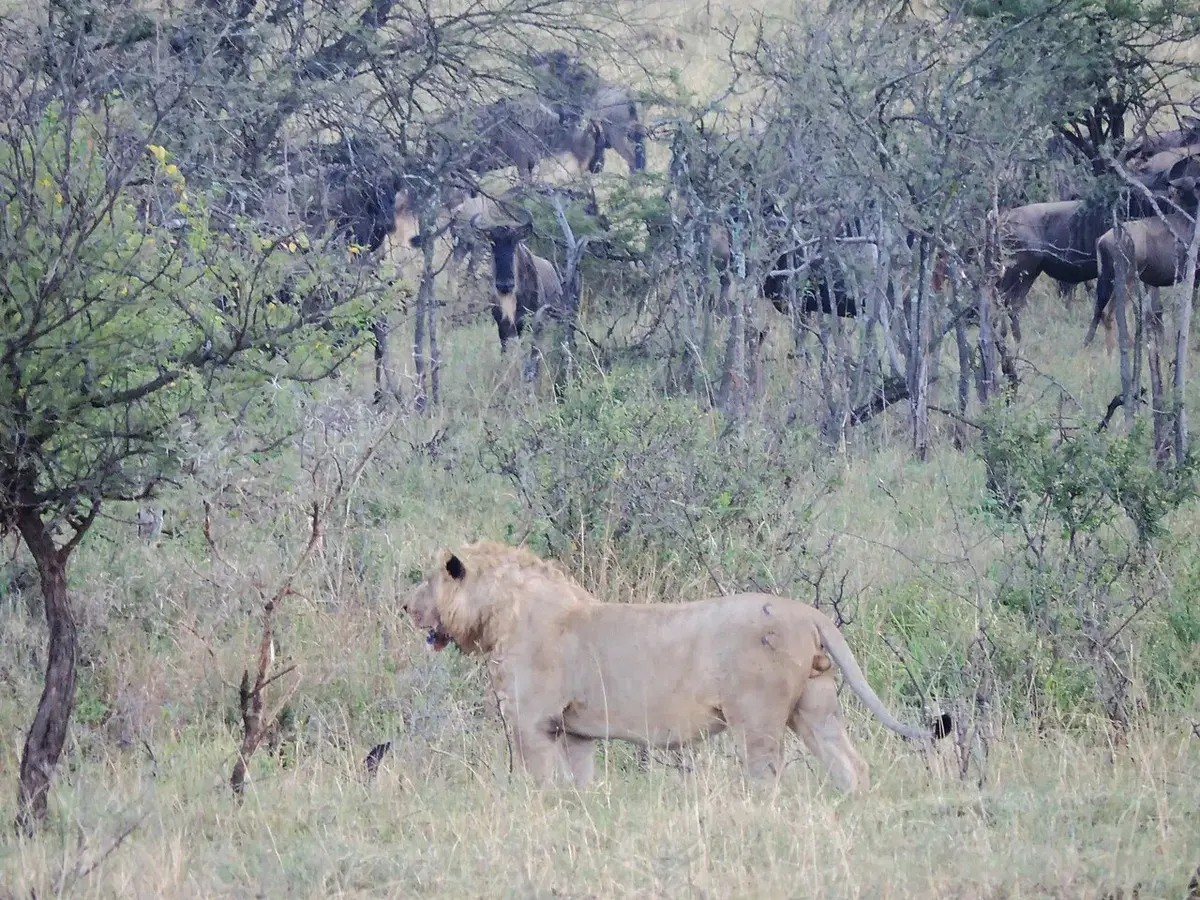
Outside the migration, the Seronera valley holds resident lion, leopard and cheetah year-round, and the remote sectors offer genuine solitude.
Why Serengeti National Park is unique
- The Great Migration — calving, river crossings, rutting
- Big cat coalitions in the Seronera Valley
- Kopjes (granite outcrops) hiding leopards & lions
- Vast, uncrowded wilderness in remote sectors
Park, conservation & permit fees
Park entry fee
USD 250 per adult / 24 hrs
Children under 12 are charged at 50% in our costing engine.
Indicative non-resident rates; final charges depend on travel dates, age, residency and authority updates. Confirmed fees appear in your itinerary and proforma invoice.
What you can expect to see
- Wildebeest and zebra in their millions, moving with the rains
- Lion prides on the kopjes and in the Seronera valley
- Leopard in the sausage trees along the rivers
- Cheetah on the short-grass plains, plus large hyena clans
Things to do
- Game drives tuned to the migration's current position
- Hot-air balloon flight over the plains
- Walking safaris in designated wilderness zones
- Mobile camping that relocates with the herds
When to go
December – March
Calving on the southern plains; concentrated predator action.
May – July
Herds move west and north; Grumeti crossings.
July – October
Mara River crossings in the northern Serengeti.
April – May
Long rains, lowest rates, some camps closed.
Getting there
- Light aircraft from Arusha, Kilimanjaro or Zanzibar to sector airstrips such as Seronera, Kogatende or Grumeti.
- Road from Arusha via Ngorongoro — long, but scenic and cheaper.
Where to base yourself
- Southern plains (Ndutu) for the December to March calving
- Central Seronera for year-round resident game
- Kogatende and Lamai in the north for river crossings
Planning notes from our team
- Pick your sector by month, not by lodge name — a beautiful camp in the wrong sector will cost you the migration.
- Mobile camps follow the herds and are usually the best value in peak season.
Common questions
Serengeti or Maasai Mara?
Same ecosystem, different strengths. The Serengeti is far larger with more varied sectors; the Mara is more compact with higher predator density and easier logistics. Many of our clients do both across one border crossing.
Why settle for a brochure safari
Plan a Serengeti National Park safari with a team that plans it around you
- Private guide and vehicle
- Named stays and itemised costs
- Availability checked before confirmation
Planning a Serengeti National Park safari?
Get a free, costed itinerary with real availability. No payment and no commitment until you are happy.
Simple, no obligation
How to plan your Serengeti National Park safari
- 1
Tell us the basics
Dates, who is travelling, budget and what you most want to see. Two minutes in the planner or a short message.
- 2
Get a costed itinerary
A day-by-day route with named camps, flights, park fees and a clear total — plus alternatives if dates are tight.
- 3
Refine, then secure
Change anything until it feels right. A 50% deposit holds your camps; nothing is booked until you say so.