
Tanzania · Northern Tanzania
Ngorongoro Conservation Area
A collapsed caldera holding a year-round concentration of wildlife.
Trip planner
Plan a safari to Ngorongoro Conservation Area
Start with Ngorongoro Conservation Area, then choose dates, stays and transport for a complete costed itinerary.
See what your itinerary includesPrivate guide & vehicle
Never shared with strangers
Park fees in the price
Line-by-line proforma
Real camp availability
Checked before we quote
50% deposit secures it
Balance paid closer to travel
The Ngorongoro crater floor is around 260 km² of grassland, soda lake and fever tree forest ringed by 600 m walls. Because the wildlife has little reason to leave, it is one of the few places where the Big Five can be seen in a single morning — black rhino included.
The wider conservation area is a rare model where Maasai pastoralists live alongside wildlife, and it includes Olduvai Gorge, one of the most important palaeoanthropology sites in the world.
Why Ngorongoro Conservation Area is unique
- Black rhino sightings
- Big Five in a single morning
- Spectacular crater-rim sunrise descents
- Olduvai Gorge — cradle of humankind nearby
Park, conservation & permit fees
Park entry fee
USD 295 per adult / 24 hrs
Children under 12 are charged at 50% in our costing engine.
Crater vehicle service
USD 295 per vehicle
Charged for each crater descent, in addition to conservation entry.
Indicative non-resident rates; final charges depend on travel dates, age, residency and authority updates. Confirmed fees appear in your itinerary and proforma invoice.
What you can expect to see
- Black rhino, most reliably in the Lerai forest and open floor
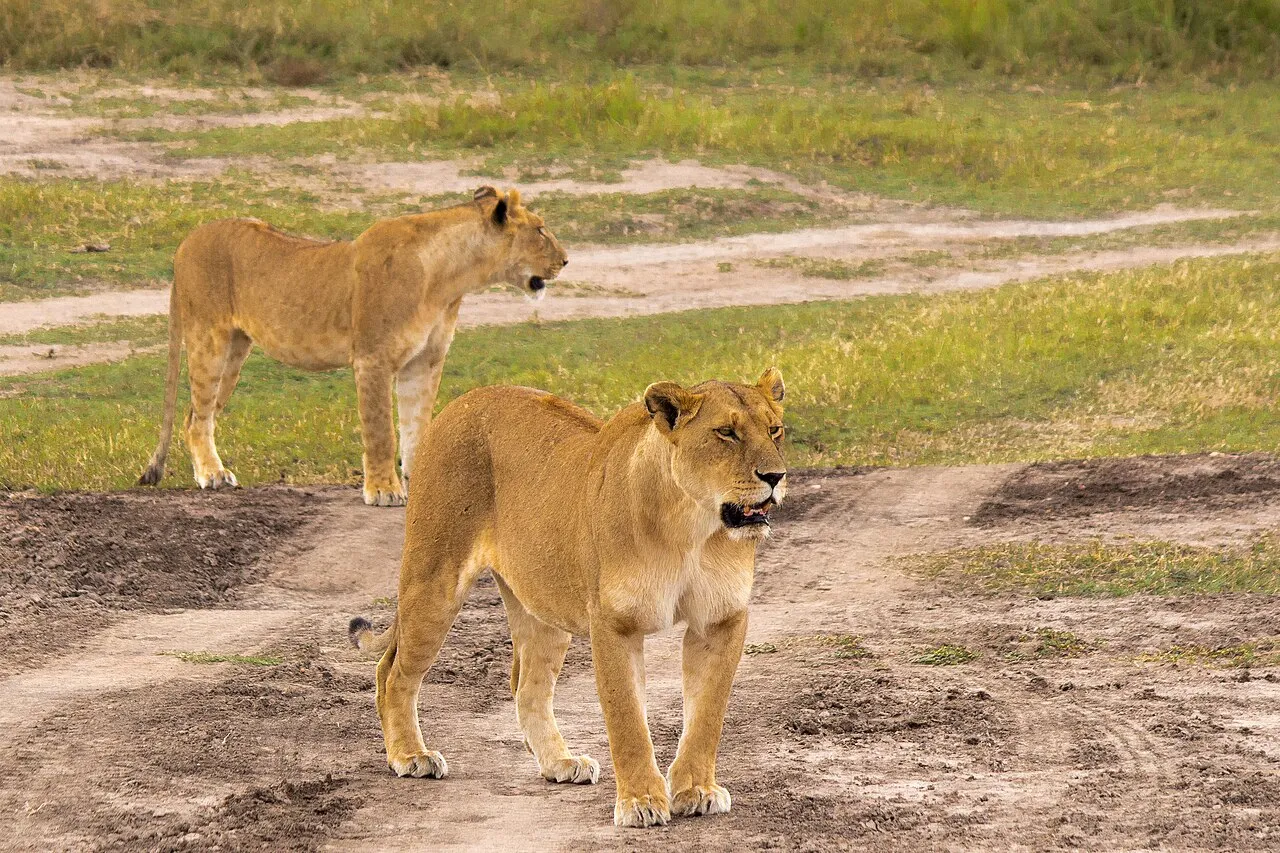
- Big-maned lion, elephant bulls with heavy tusks and buffalo
- Flamingo and hippo at Lake Magadi and the Ngoitokitok springs
- Golden jackal, serval and large hyena clans
Things to do
- Crater floor game drive, usually a full morning
- Olduvai Gorge museum and excavation site
- Empakaai and Olmoti crater walks with a ranger
- Maasai community visits on the highland rim
When to go
June – October
Dry, clear and cool on the rim.
December – March
Green, with calving herds nearby at Ndutu.
Getting there
- Road from Arusha, usually as part of the northern circuit.
- Airstrip at Lake Manyara for fly-in connections.
Where to base yourself
- Crater rim lodges for the earliest descent
- Karatu, just outside, for better value and a shorter drive than most expect
Planning notes from our team
- Crater descent is charged per vehicle for a six-hour window — start at dawn to use it well.
- The rim is cold and often misty; bring layers even in the dry season.
Common questions
Is one day in the crater enough?
For most travellers, yes — one full descent covers the floor. Add a second night if you also want Empakaai or Olduvai without rushing.
Why settle for a brochure safari
Plan a Ngorongoro Conservation Area safari with a team that plans it around you
- Private guide and vehicle
- Named stays and itemised costs
- Availability checked before confirmation
Planning a Ngorongoro Conservation Area safari?
Get a free, costed itinerary with real availability. No payment and no commitment until you are happy.
Simple, no obligation
How to plan your Ngorongoro Conservation Area safari
- 1
Tell us the basics
Dates, who is travelling, budget and what you most want to see. Two minutes in the planner or a short message.
- 2
Get a costed itinerary
A day-by-day route with named camps, flights, park fees and a clear total — plus alternatives if dates are tight.
- 3
Refine, then secure
Change anything until it feels right. A 50% deposit holds your camps; nothing is booked until you say so.