How to safari on a budget without ruining the trip
A poorly planned budget safari can be a miserable trip, but done thoughtfully it delivers most of the experience for a fraction of the price. The key is knowing where it's safe to save.
African Safari Cost · how much does a safari cost · safari holidays prices
Start with what matters most to you, then save on the parts that matter less. Cutting costs on safari badly results in a disappointing trip, but cutting them cleverly can deliver the vast majority of the experience at a noticeably lower price. The difference comes down to understanding exactly where savings are genuinely safe to make.
Three ways to manage a safari budget
| Approach | Savings potential | Trade-off |
|---|---|---|
| Green season travel | High | Afternoon rain showers possible |
| Road transfers over flights | Moderate | Longer travel time between parks |
| Fewer parks, more nights each | Moderate | Less overall landscape variety |
Highlights
- Travel during the green season
- Mix driving and flying
- Fewer parks, more nights in each
- Where it's not worth cutting corners
01
Travel during the green season
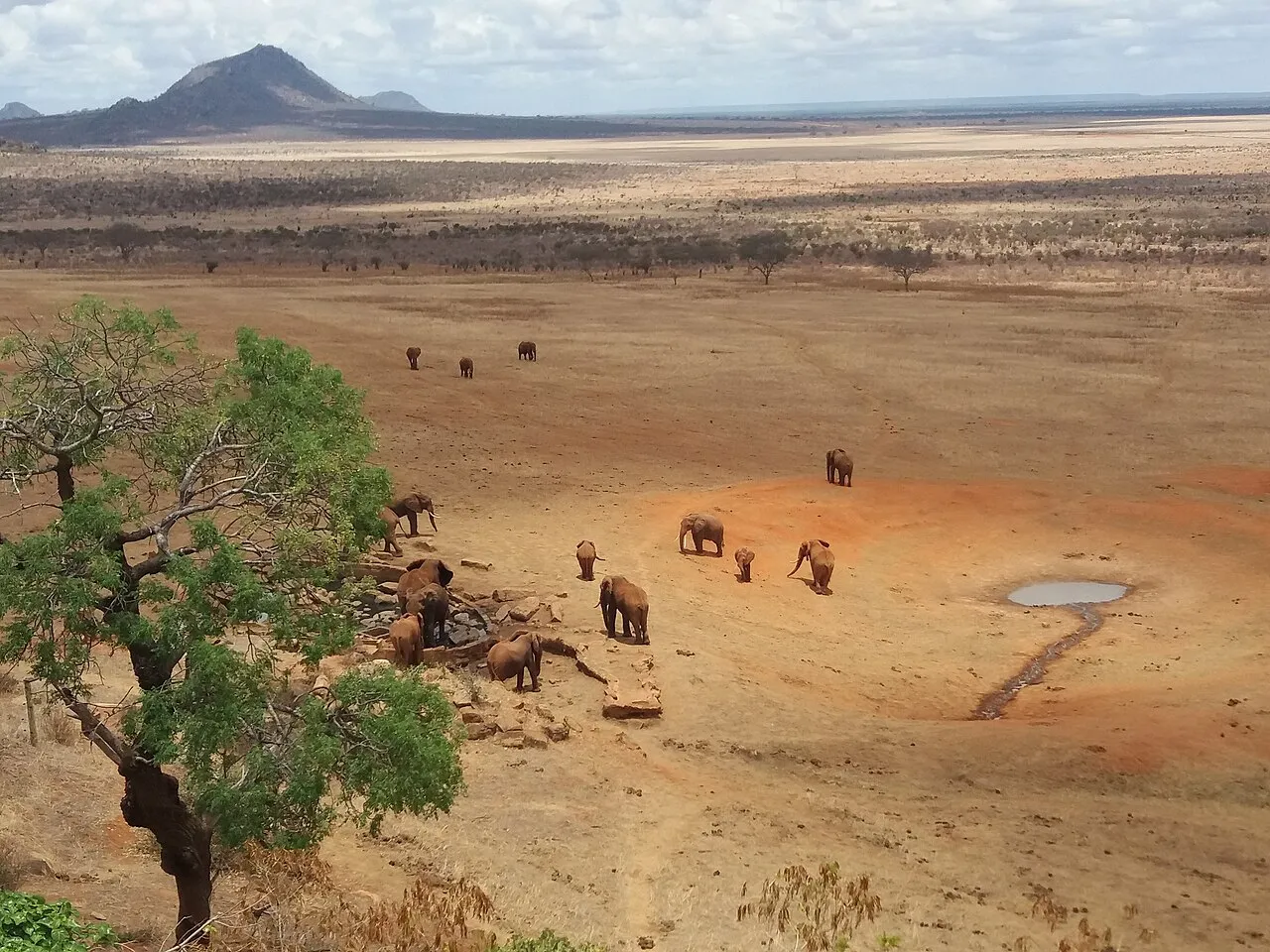
This is usually the single biggest lever available: the same camps often cost considerably less outside peak months, while the landscape turns lush, newborn animals appear, and vehicle numbers drop noticeably. Rain during this period typically falls in short afternoon bursts rather than ruining whole days.
02
Mix driving and flying
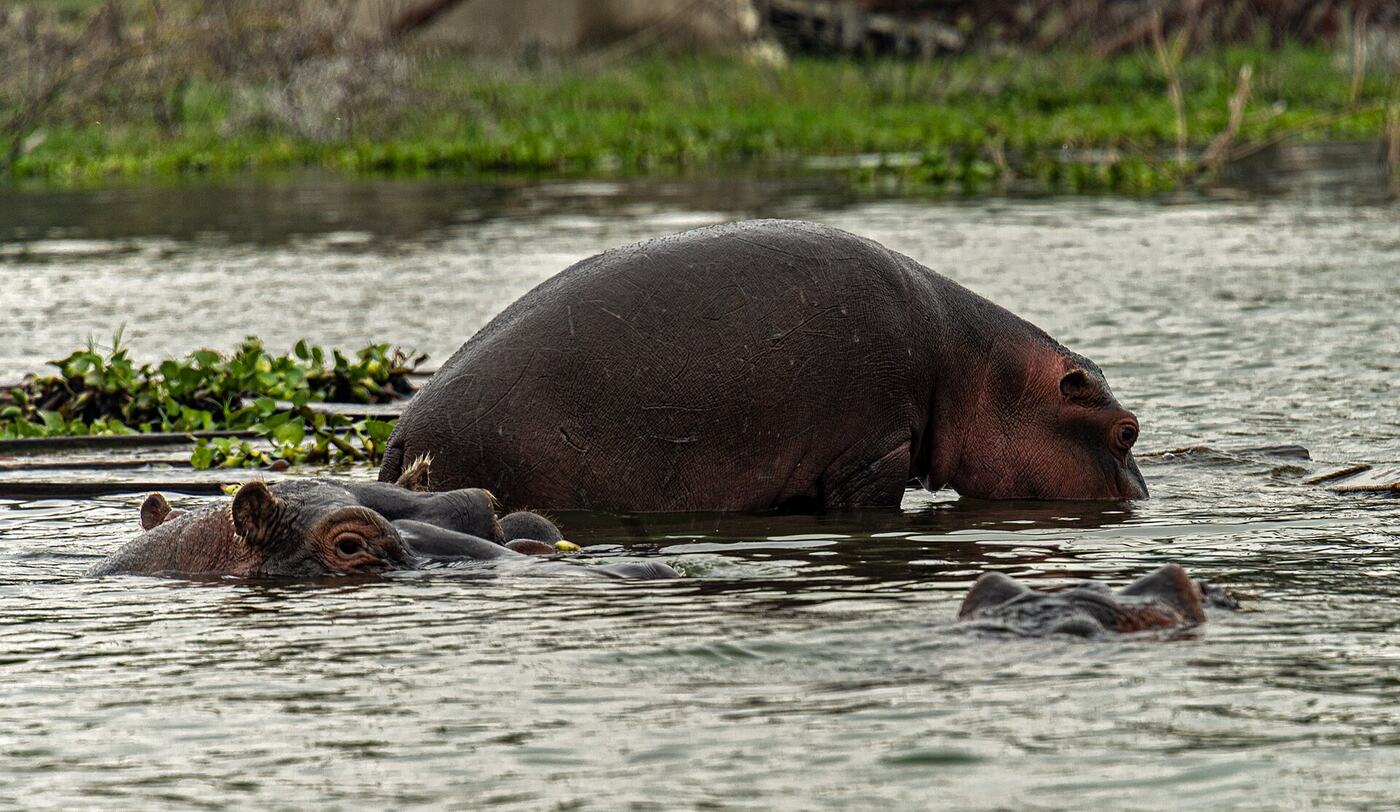
Internal flights save time but add meaningfully to the budget. Driving routes such as Nairobi to the Mara or Arusha to Tarangire costs less and shows you genuine countryside along the way. A sensible middle ground is flying the longer legs and driving the shorter ones.
03
Fewer parks, more nights in each
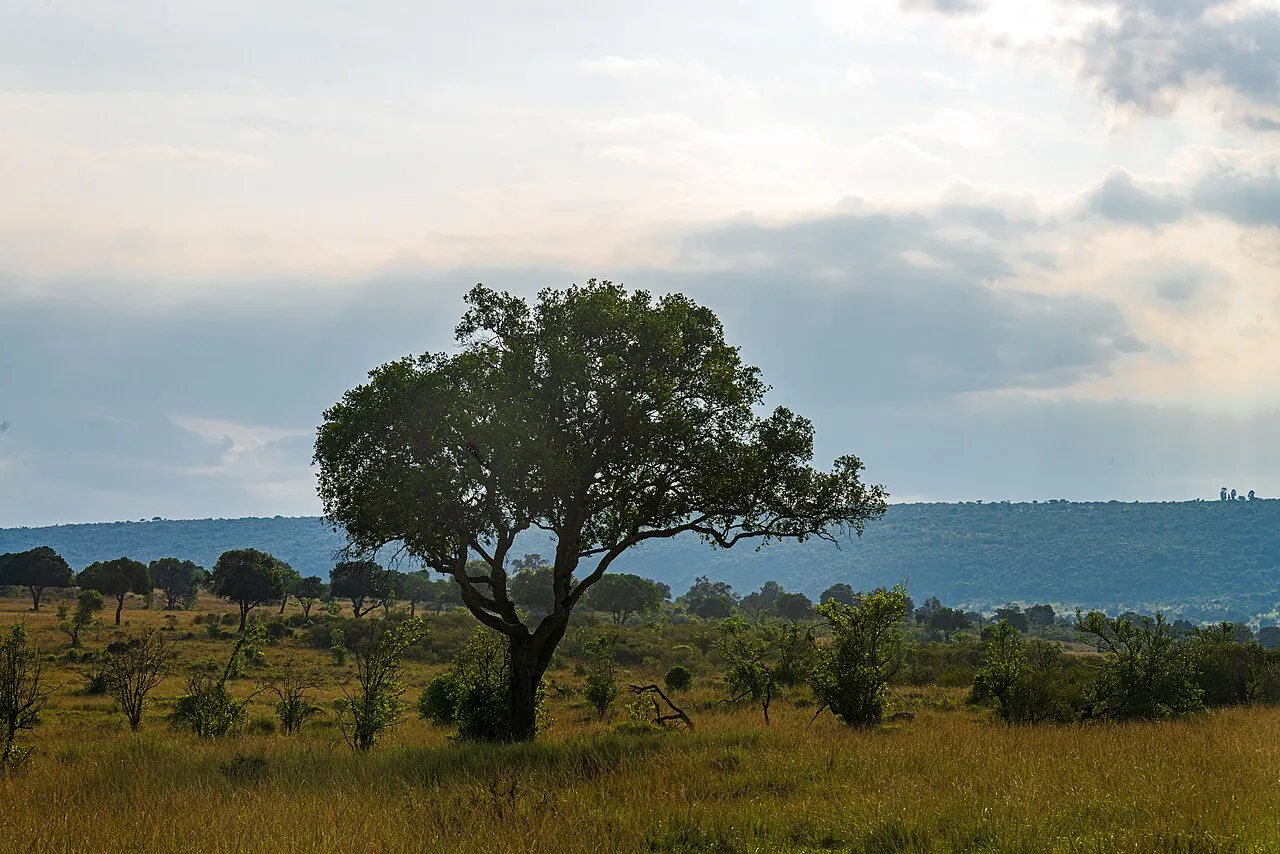
Every additional park adds its own fees and transfer costs. Spending three nights in one strong reserve generally beats splitting the same time across three different parks, both financially and in terms of actual wildlife viewing quality.
04
Where it's not worth cutting corners
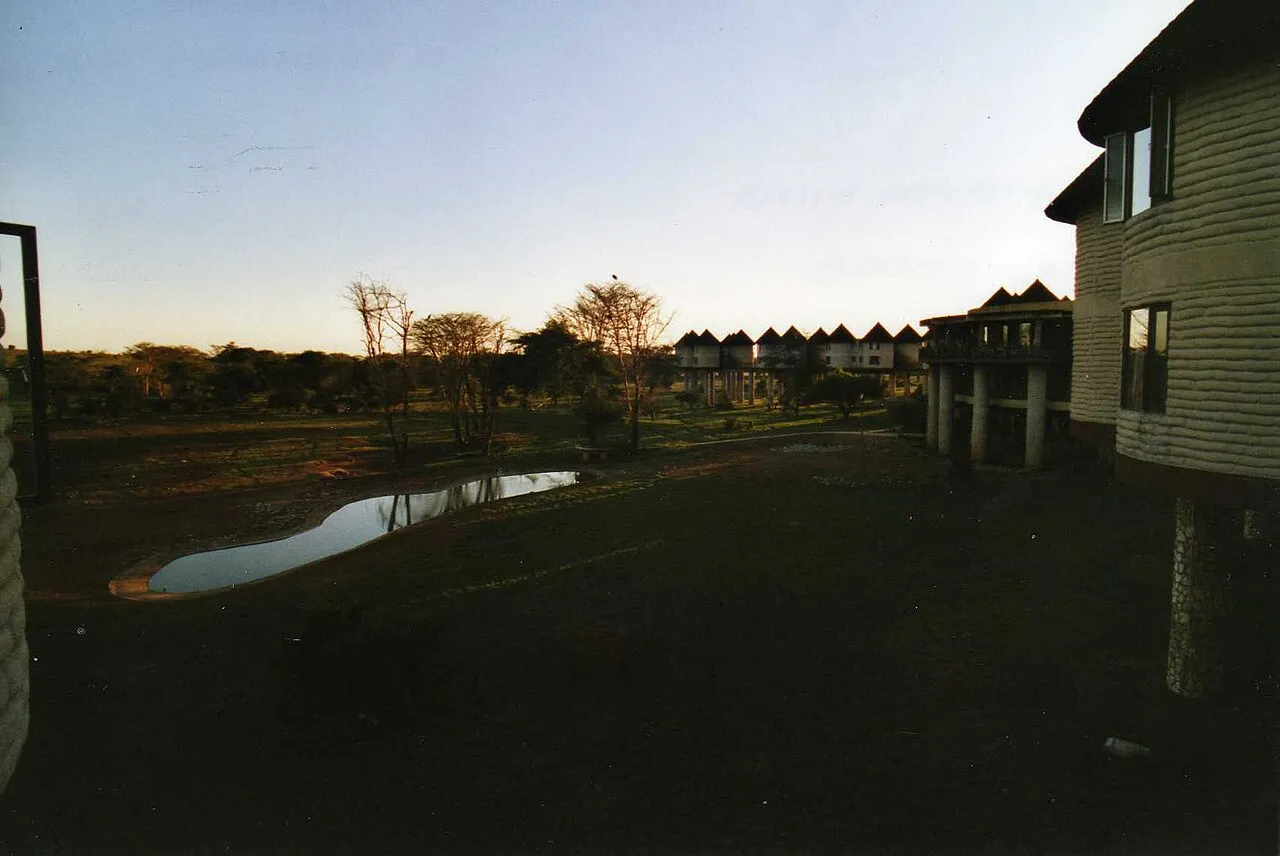
Guiding quality is not the place to economise; a skilled guide at a simple camp will usually outperform a mediocre guide at a far grander one. If something has to give, skip an optional extra like the balloon flight rather than compromise on guide experience.
Dos
- Wear neutral colours — khaki, olive, sand
- Pack layers for cold early game drives
- Stay seated and keep voices low near animals
- Follow your guide's instructions at all times
- Drink plenty of water and use sunscreen
Don'ts
- Don't wear bright colours, white or camouflage
- Don't feed or call to animals
- Don't leave the vehicle unless your guide says so
- Don't use drones — they need special permits
- Don't bring plastic bags (banned in Kenya and Tanzania)
What's usually included
- Accommodation in your chosen level
- Meals as listed in your itinerary
- Game drives with a professional guide
- Park and conservancy entry fees
- Airport pick-up and drop-off
- Drinking water in the vehicle
Usually not included
- International flights
- Visa fees
- Travel insurance
- Tips for guides and camp staff
- Personal items and souvenirs
- Premium drinks unless all-inclusive
- Optional activities not in your itinerary
Keep exploring
Published fees to plan around
Sources checked 7 October 2026 · US dollars · fees only, not full safari prices
| Fee | Published amount | Who and when |
|---|---|---|
| Maasai Mara reserve · July–December | US$200 | Non-resident adult entry; published seasonal tariff, not a camp rate. Entry and exit rules affect the number of chargeable visits.Narok County published fee schedule |
| Maasai Mara reserve · January–June | US$100 | Non-resident adult entry; the low-season rate in the same published schedule. Reconfirm for your travel year.Narok County published fee schedule |
Your accommodation and flights need a quote for your dates, room arrangement and availability. Compare the full journey total, not a nightly headline: meals, transport, guiding, entry fees and optional activities should be clear. Published tariffs may change; we reconfirm the applicable fees before you book.
Our editorial values
Original travel guidance by Dennis Njoroge, CEO of Perch Africa Safaris. Wildlife and weather are never guaranteed. Published fees link to their authority sources; camp and flight prices are confirmed for your own journey. You receive your full itinerary and matching proforma before payment.
Related on Perch Africa
Why settle for a brochure safari
Plan Kenya travel with a team that plans it around you
- Private guide and vehicle
- Named stays and itemised costs
- Availability checked before confirmation
Planning how to safari on a budget without ruining the trip?
Get a free, costed itinerary with real availability. No payment and no commitment until you are happy.
Frequently asked questions
What's the most effective way to reduce safari costs?
Travelling in green season, favouring road transfers over flights, visiting fewer parks for longer, and choosing solid mid-range camps all combine to bring costs down meaningfully.
Are lower-budget safaris still safe?
Plan with a reputable operator, follow your guide’s instructions and check current government travel advice. Wildlife, remote travel and trekking carry risks; discuss your health, mobility and emergency cover before booking.
Is travelling in green season actually worth it?
For most travellers, yes; the value is strong and the overall quality of game viewing remains excellent throughout this period.