Safari etiquette: the unwritten rules of the bush
Safari carries its own quiet code of conduct, mostly common sense, some of it only learned through experience. Following it tends to lead to better sightings and warmer welcomes.
African Safari Holidays · Kenya safari · Tanzania safari
A little thoughtfulness helps you enjoy better wildlife encounters and share them respectfully. Safari has a set of unwritten rules that experienced travellers tend to pick up naturally over time, covering everything from behaviour at sightings to simple courtesy in camp. Following them generally leads to better wildlife encounters and a noticeably warmer reception from guides and staff alike.
Everyday safari etiquette at a glance
| Situation | Good practice | What to avoid |
|---|---|---|
| At a wildlife sighting | Stay quiet, let the guide position the vehicle | Pushing for closer proximity than the animal is comfortable with |
| Photographing people | Ask first, engage in conversation | Taking photos without permission |
| In camp | Respect set schedules and quiet hours | Treating staff or routines casually |
Highlights
- How to behave at a sighting
- Life around camp
- Photography manners worth knowing
- Visiting local communities
01
How to behave at a sighting
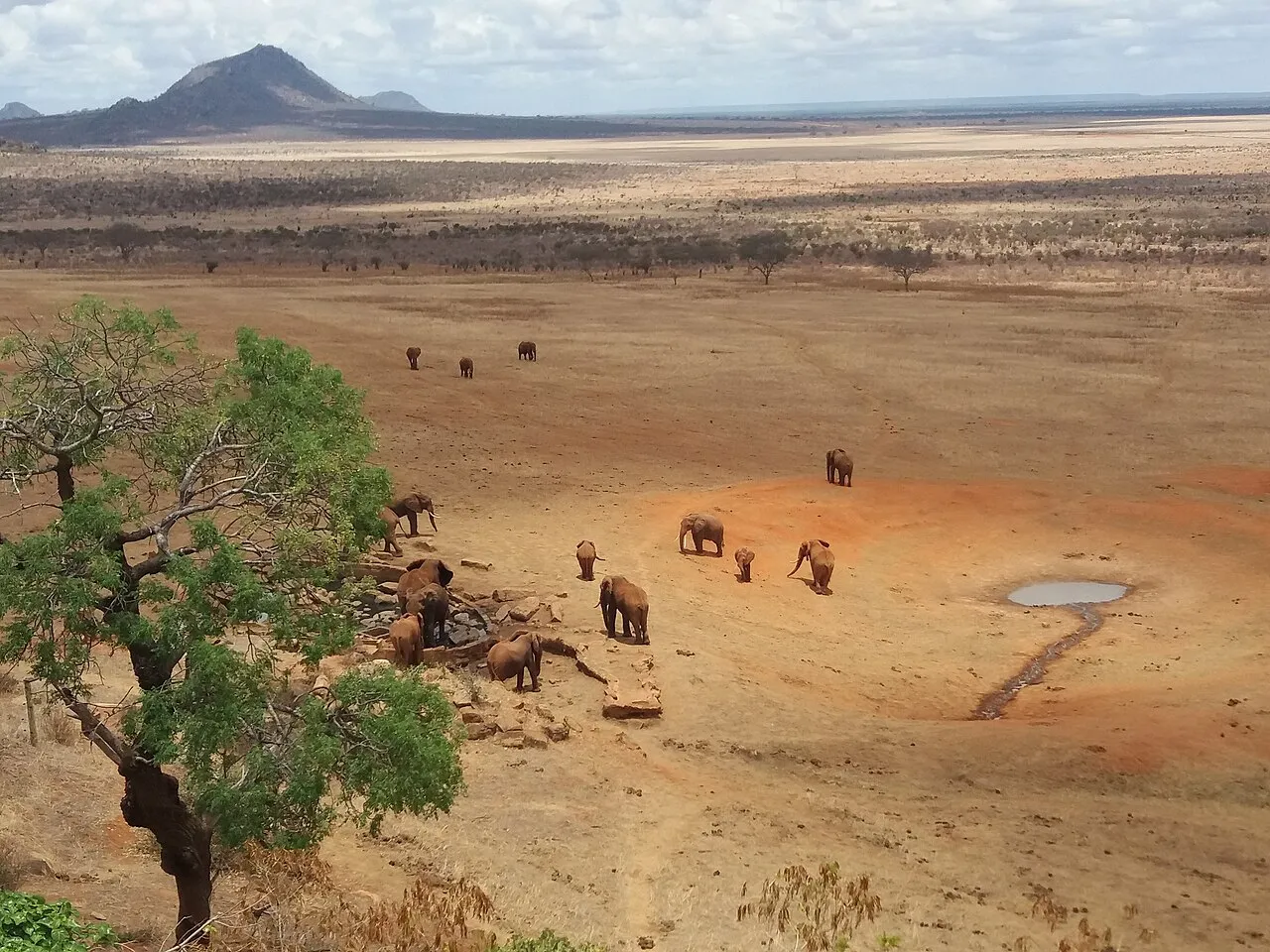
Keeping voices low and movements slow matters, since sound carries easily in an open vehicle. Asking a guide to push closer than is comfortable for the animal is best avoided; a skilled guide reads behaviour and positions the vehicle based on the animal's tolerance rather than a passenger's zoom lens.
If an animal's behaviour changes because of your presence, ears flattening or moving away, that's a clear sign the vehicle is too close. The best sightings tend to happen when the wildlife simply carries on ignoring you.
02
Life around camp
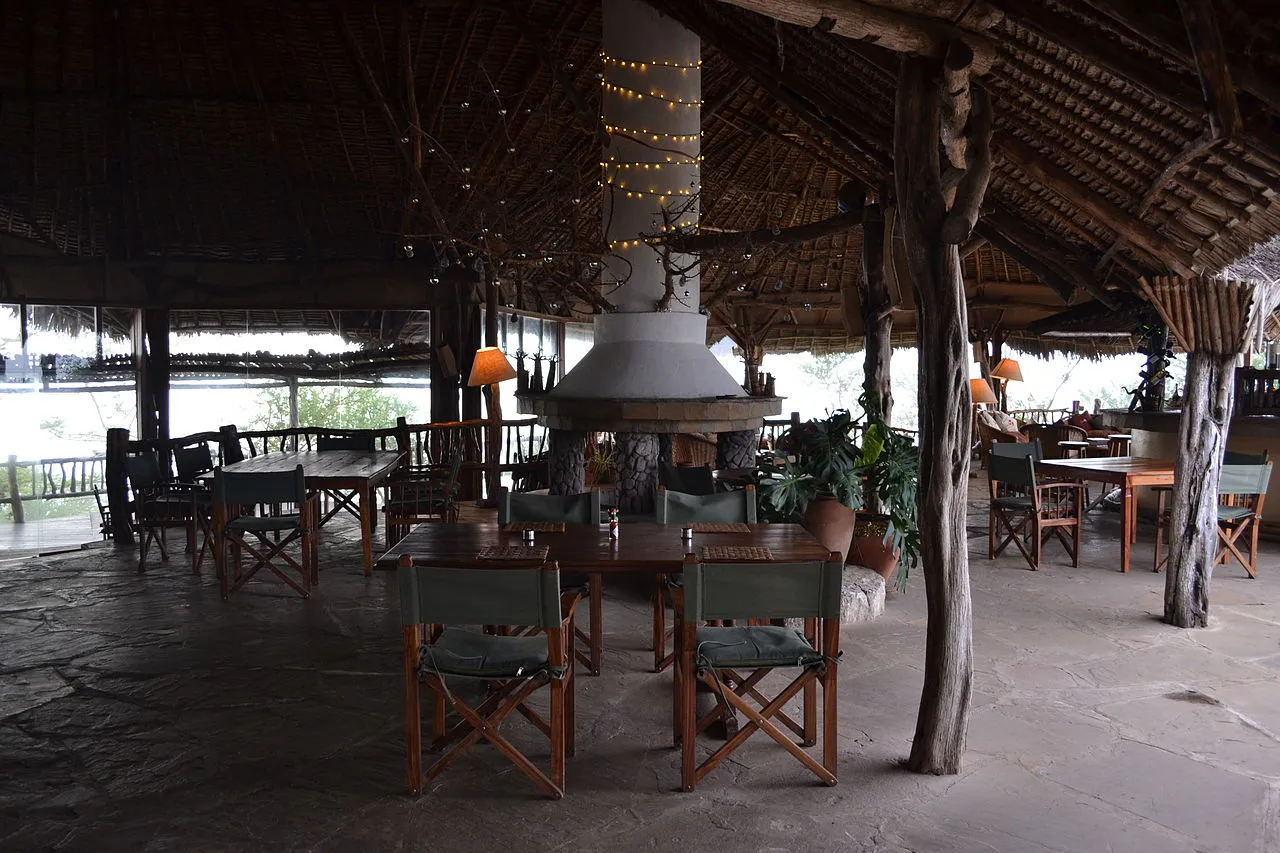
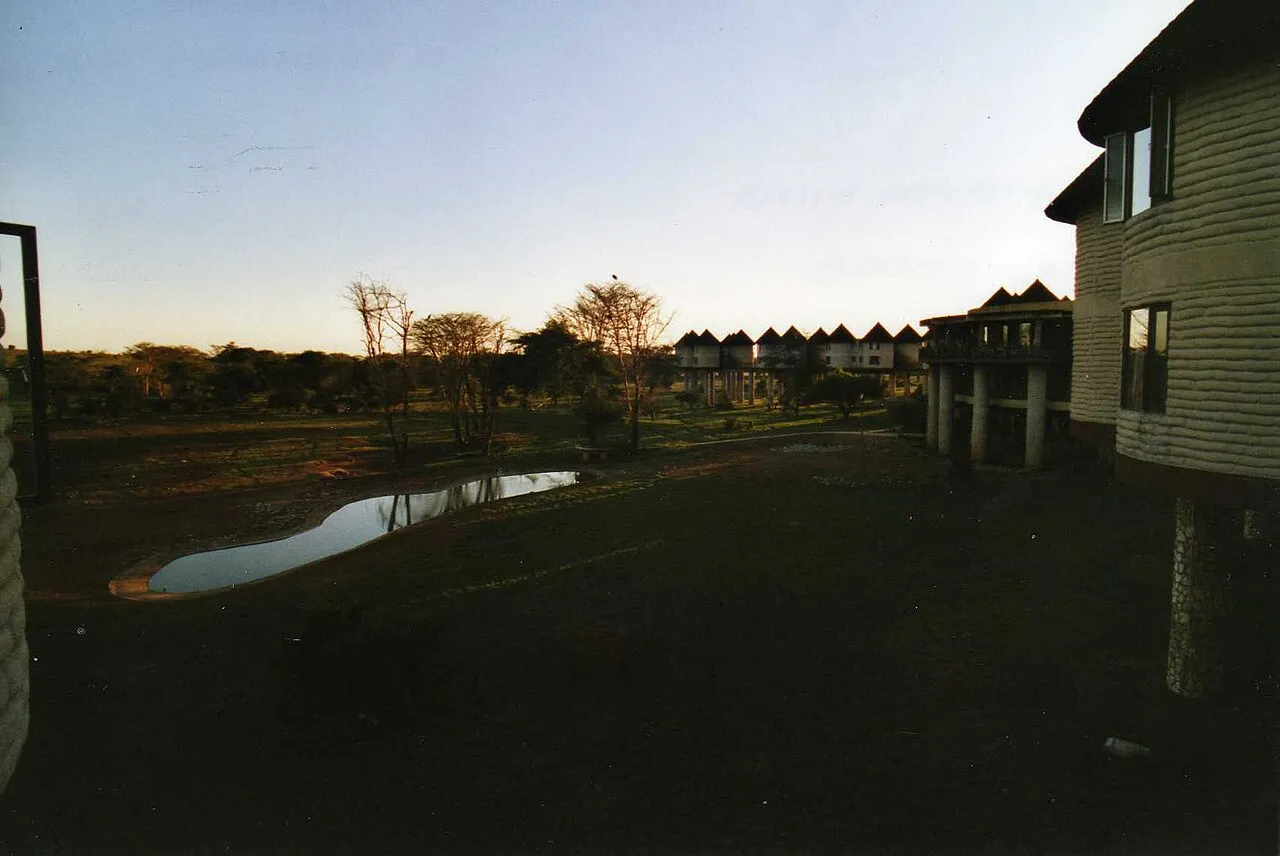
Camps run on early rhythms, with set dinner times, wake-up calls and limited generator hours that exist for sound practical reasons. Staff often work long seasons away from their families, and small gestures of patience and courtesy are noticed and returned many times over.
03
Photography manners worth knowing
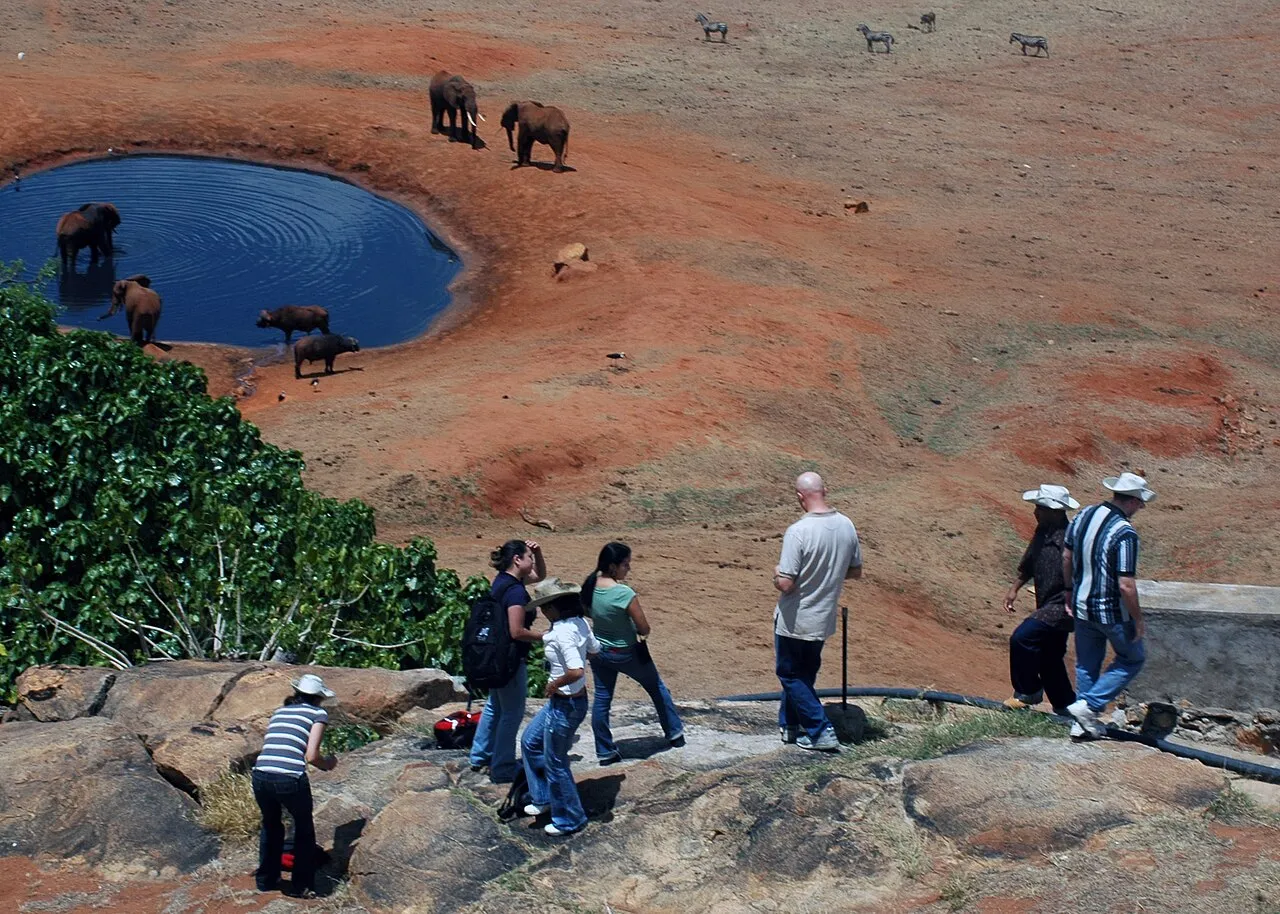
Photographing local people without asking first is best avoided; a guide can help facilitate this, and a genuine conversation usually produces a far better result than a stolen shot. At sightings, it's worth taking a few frames and then simply putting the camera down, since watching through a screen is not the same as actually watching.
04
Visiting local communities
Village and community visits work best treated as a genuine exchange rather than a performance. Asking questions, buying crafts directly when you want to support the community, and following your host's lead on what's appropriate all help make the visit feel respectful.
Dos
- Wear neutral colours — khaki, olive, sand
- Pack layers for cold early game drives
- Stay seated and keep voices low near animals
- Follow your guide's instructions at all times
- Drink plenty of water and use sunscreen
Don'ts
- Don't wear bright colours, white or camouflage
- Don't feed or call to animals
- Don't leave the vehicle unless your guide says so
- Don't use drones — they need special permits
- Don't bring plastic bags (banned in Kenya and Tanzania)
What's usually included
- Accommodation in your chosen level
- Meals as listed in your itinerary
- Game drives with a professional guide
- Park and conservancy entry fees
- Airport pick-up and drop-off
- Drinking water in the vehicle
Usually not included
- International flights
- Visa fees
- Travel insurance
- Tips for guides and camp staff
- Personal items and souvenirs
- Premium drinks unless all-inclusive
- Optional activities not in your itinerary
Keep exploring
Your trip price, without guesswork
Your accommodation and flights need a quote for your dates, room arrangement and availability. Compare the full journey total, not a nightly headline: meals, transport, guiding, entry fees and optional activities should be clear. Published tariffs may change; we reconfirm the applicable fees before you book.
Our editorial values
Original travel guidance by Dennis Njoroge, CEO of Perch Africa Safaris. Wildlife and weather are never guaranteed. Published fees link to their authority sources; camp and flight prices are confirmed for your own journey. You receive your full itinerary and matching proforma before payment.
Related on Perch Africa
Why settle for a brochure safari
Plan Kenya travel with a team that plans it around you
- Private guide and vehicle
- Named stays and itemised costs
- Availability checked before confirmation
Planning safari etiquette: the unwritten rules of the bush?
Get a free, costed itinerary with real availability. No payment and no commitment until you are happy.
Frequently asked questions
Can I get out of the vehicle during a game drive?
Only where a guide confirms it is safe to do so; most national parks prohibit it outside designated spots, though conservancies and dedicated walking safaris allow more freedom.
Is it acceptable to ask a guide to follow an animal more closely?
It's fine to ask, but the answer should be respected either way, since guides are balancing a guest's interest against the animal's welfare and park regulations.
What should I wear while relaxing in camp?
Something relaxed and casual works fine, as even upscale camps rarely enforce a dress code. The main thing to pack is a warm layer for cooler evenings.