Tipping on safari: who, when and how much
A straightforward guide to who gets tipped on safari, roughly how, and how to avoid awkwardness at the end of a trip.
African Safari Holidays · Kenya safari · Tanzania safari
You shouldn't spend your last evening wondering how to thank your guide. Tipping on safari is discretionary but genuinely expected, and gratuities make up a meaningful share of income for many guides and camp staff. Knowing the general customs ahead of time saves last-minute fumbling at the end of an otherwise smooth trip.
Who typically gets tipped
| Role | How tipped | When |
|---|---|---|
| Guide/tracker | Personally, in cash | End of stay at each camp |
| Camp staff | Shared tip box | End of stay |
| Trek porters | Per-trek fee plus optional tip | On the day of the trek |
Highlights
- Who's typically tipped
- How it generally works in practice
- Cash, currency and cards
- Keeping it in proportion
01
Who's typically tipped
Your safari guide matters most, since they shape the entire experience day to day. Beyond that, trackers, camp staff — usually via a shared tip box — porters on treks, and transfer drivers on longer journeys are the other common recipients.
02
How it generally works in practice
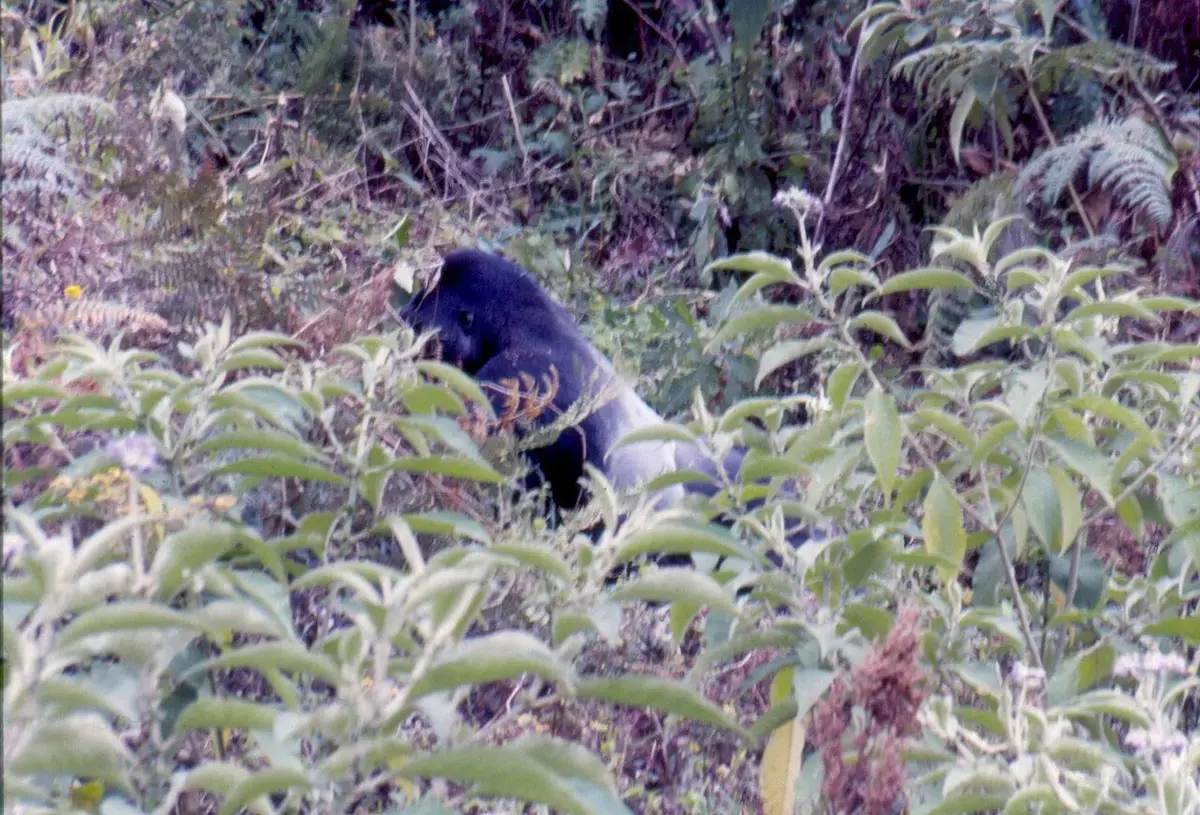
Most camps keep a staff tip box at reception that's shared among the behind-the-scenes team, while guides and trackers are typically tipped personally at the end of your stay rather than after every drive. Gorilla trekking runs slightly differently: porters are paid a fixed hire fee on the day, while guides and trackers are tipped once the trek concludes.
03
Cash, currency and cards
Clean, recent US dollar notes in small denominations are accepted almost everywhere, and local currency is equally welcome. Very few camps can add a tip directly to a card bill, so it's worth carrying enough cash for the whole trip.
04
Keeping it in proportion
Tip for effort and genuine care rather than out of obligation. A guide who worked hard to find a leopard, repositioned patiently for your photos, and answered every question has earned recognition — and a short handwritten note alongside the tip tends to mean more than people expect.
Dos
- Wear neutral colours — khaki, olive, sand
- Pack layers for cold early game drives
- Stay seated and keep voices low near animals
- Follow your guide's instructions at all times
- Drink plenty of water and use sunscreen
Don'ts
- Don't wear bright colours, white or camouflage
- Don't feed or call to animals
- Don't leave the vehicle unless your guide says so
- Don't use drones — they need special permits
- Don't bring plastic bags (banned in Kenya and Tanzania)
What's usually included
- Accommodation in your chosen level
- Meals as listed in your itinerary
- Game drives with a professional guide
- Park and conservancy entry fees
- Airport pick-up and drop-off
- Drinking water in the vehicle
Usually not included
- International flights
- Visa fees
- Travel insurance
- Tips for guides and camp staff
- Personal items and souvenirs
- Premium drinks unless all-inclusive
- Optional activities not in your itinerary
Keep exploring
Your trip price, without guesswork
Your accommodation and flights need a quote for your dates, room arrangement and availability. Compare the full journey total, not a nightly headline: meals, transport, guiding, entry fees and optional activities should be clear. Published tariffs may change; we reconfirm the applicable fees before you book.
Our editorial values
Original travel guidance by Dennis Njoroge, CEO of Perch Africa Safaris. Wildlife and weather are never guaranteed. Published fees link to their authority sources; camp and flight prices are confirmed for your own journey. You receive your full itinerary and matching proforma before payment.
Related on Perch Africa
Why settle for a brochure safari
Plan Kenya travel with a team that plans it around you
- Private guide and vehicle
- Named stays and itemised costs
- Availability checked before confirmation
Planning tipping on safari: who, when and how much?
Get a free, costed itinerary with real availability. No payment and no commitment until you are happy.
Frequently asked questions
Should tips be given daily or at the end of a stay?
The norm is to tip at the end of your stay at each camp, with porters and one-off services tipped on the day they help you.
What should I do if service wasn't good?
Tip less or not at all, and consider a quiet word with camp management — that feedback is more useful than silence.
Is tipping expected everywhere, or only at luxury camps?
It's broadly expected across all price tiers, though the amounts travellers choose to give tend to scale with the overall cost of the trip.