Climbing Kilimanjaro or Mount Kenya with a safari
Pairing a Kilimanjaro or Mount Kenya climb with a safari turns an already memorable trip into a genuinely active East African adventure.
Kilimanjaro Climb · Mount Kenya climb · safari and trek
Choose your mountain around your fitness, time and comfort with altitude—not just its fame. Both mountains sit close enough to classic safari circuits that a climb and a game-viewing stretch fit naturally into a single, longer trip.
Choosing between them largely comes down to time available, crowd tolerance and appetite for altitude.
Kilimanjaro versus Mount Kenya
| Factor | Kilimanjaro | Mount Kenya |
|---|---|---|
| Typical duration | 6-8 days | 4-5 days |
| Altitude | 5,895m, higher altitude risk | 4,985m (Point Lenana) |
| Crowds | Busier, popular routes | Quieter trails |
Highlights
- Kilimanjaro
- Mount Kenya
- Recovering on safari
01
Kilimanjaro
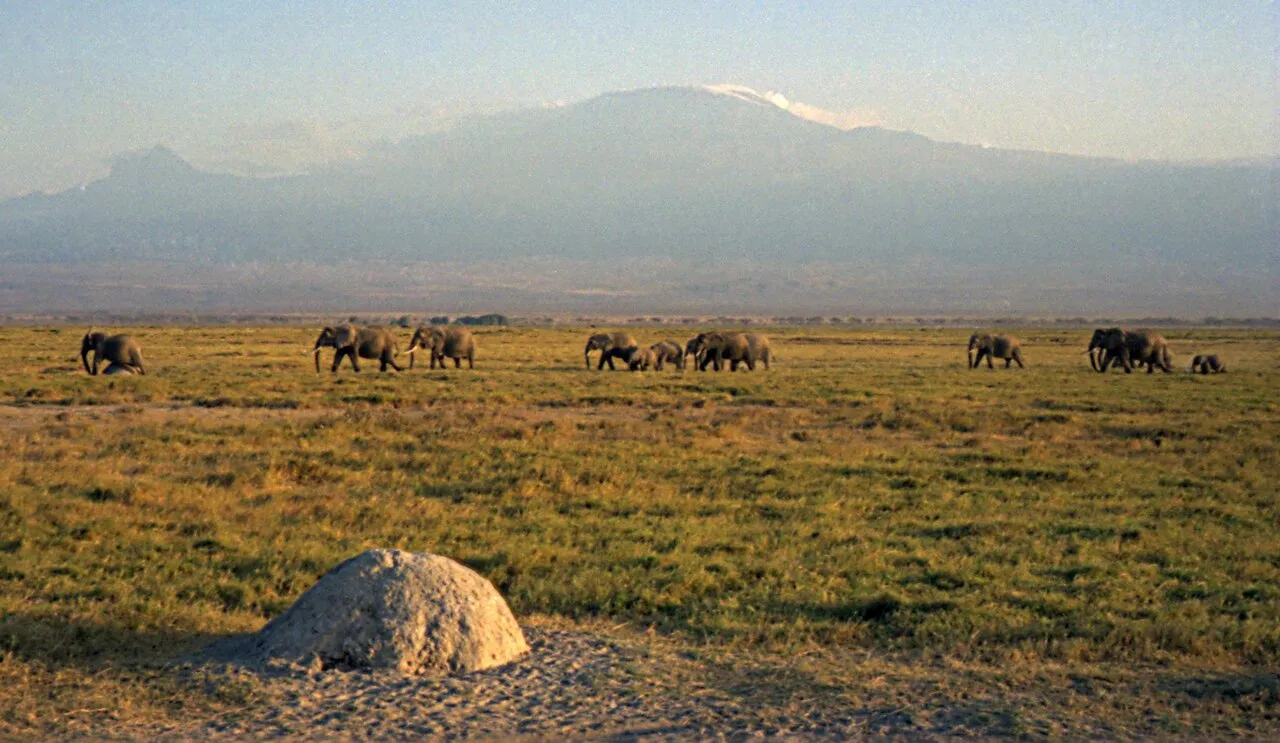
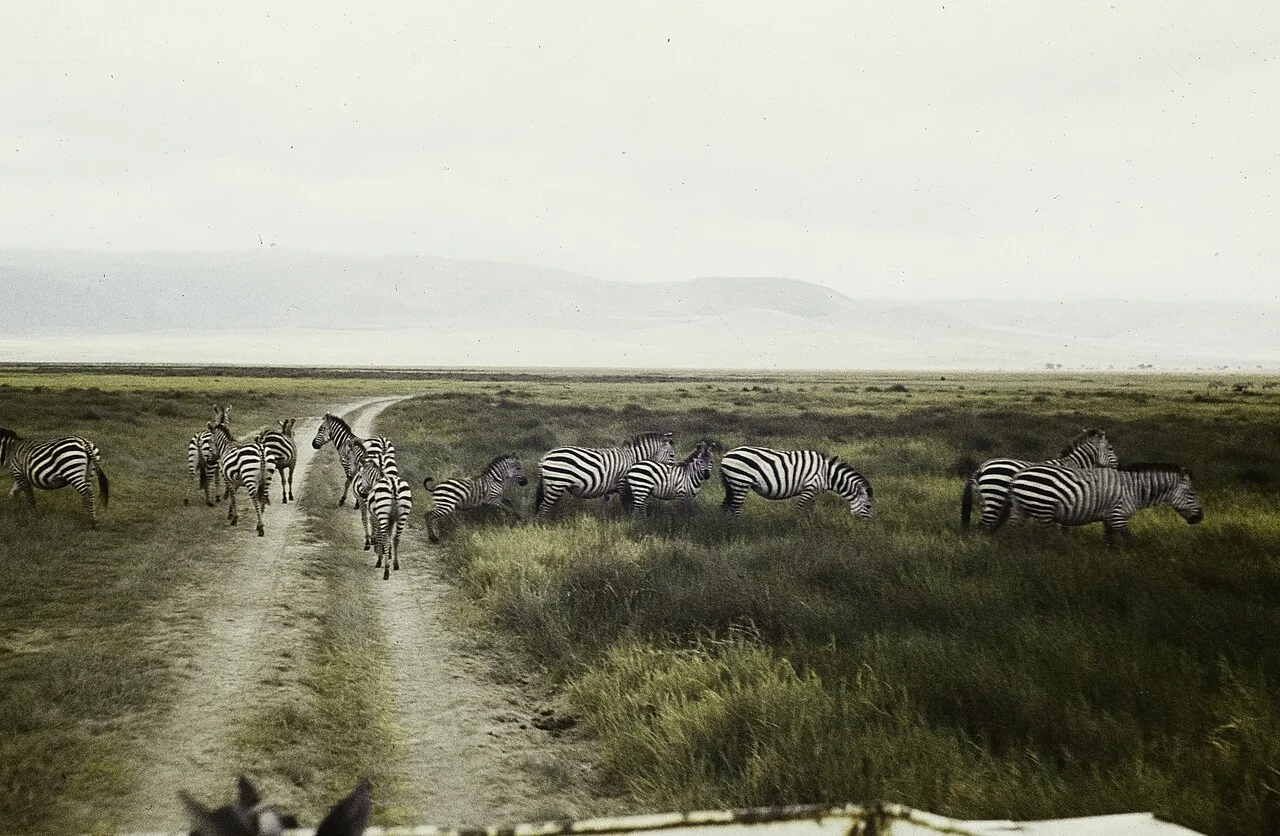
As Africa's highest peak, Kilimanjaro draws far more climbers than Mount Kenya, and routes of six to eight days, such as the Lemosho or Machame, give the body more time to acclimatise, improving summit success and comfort.
02
Mount Kenya
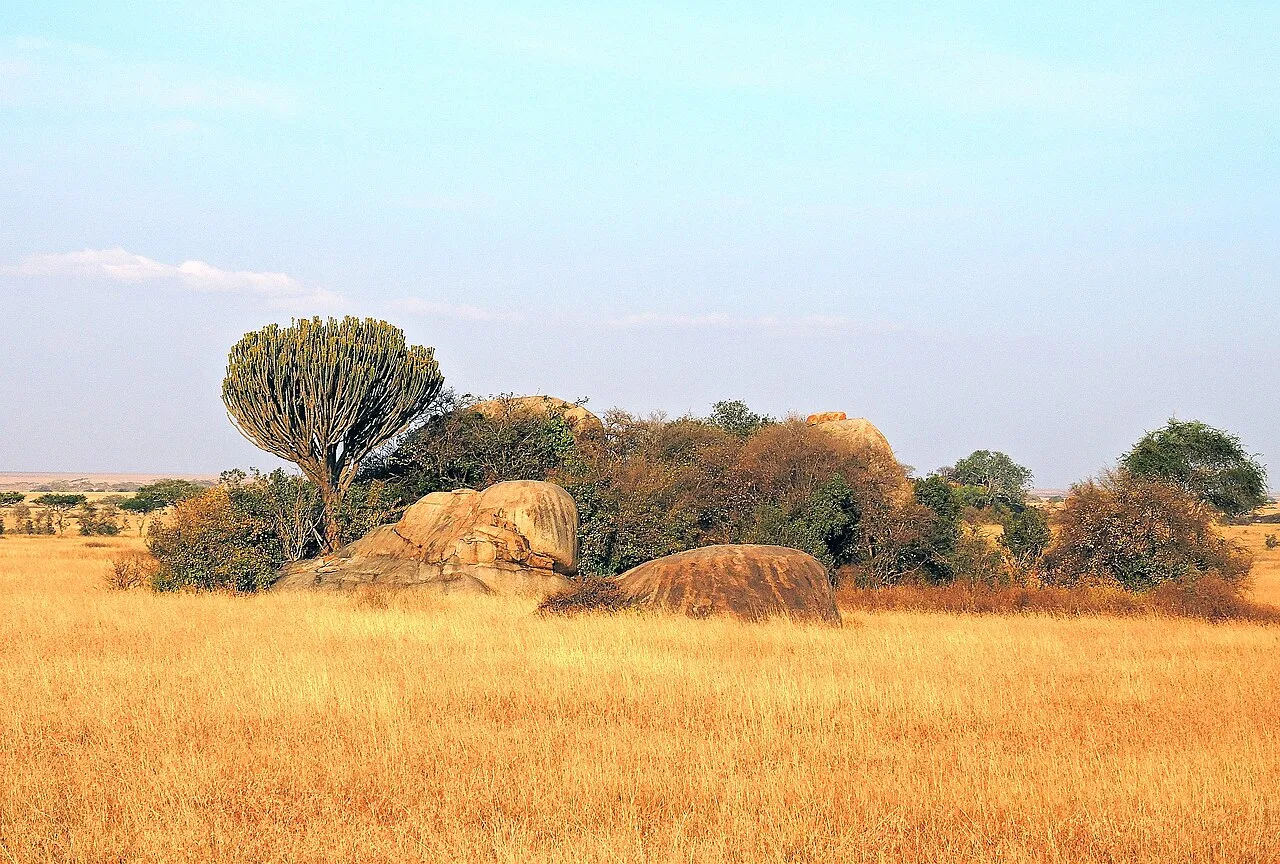
Point Lenana, the trekking peak on Mount Kenya, requires no technical climbing and is typically reached over four to five days, with far fewer other trekkers on the trail than Kilimanjaro.
03
Recovering on safari
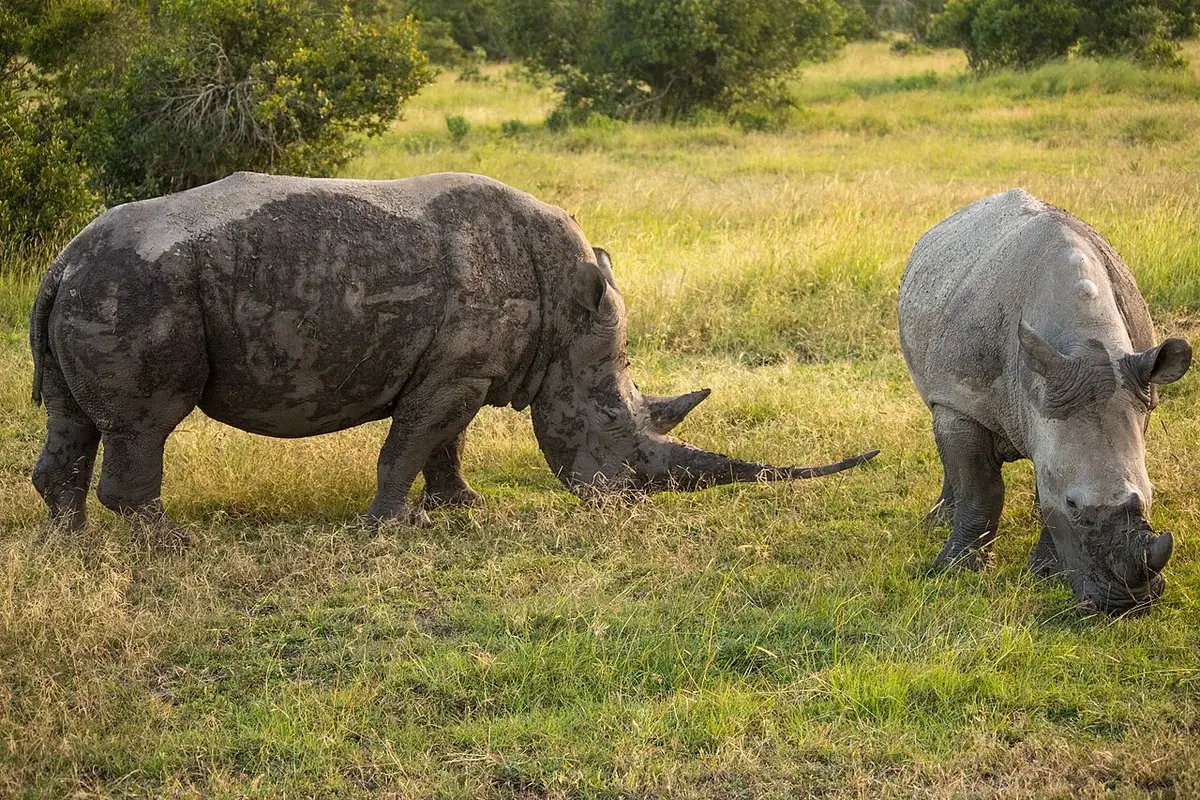
Scheduling a few days of game drives immediately after a summit attempt lets tired legs rest in a vehicle while still delivering the trip's wildlife highlights, a popular way to close out the itinerary.
Dos
- Wear neutral colours — khaki, olive, sand
- Pack layers for cold early game drives
- Stay seated and keep voices low near animals
- Follow your guide's instructions at all times
- Drink plenty of water and use sunscreen
Don'ts
- Don't wear bright colours, white or camouflage
- Don't feed or call to animals
- Don't leave the vehicle unless your guide says so
- Don't use drones — they need special permits
- Don't bring plastic bags (banned in Kenya and Tanzania)
What's usually included
- Accommodation in your chosen level
- Meals as listed in your itinerary
- Game drives with a professional guide
- Park and conservancy entry fees
- Airport pick-up and drop-off
- Drinking water in the vehicle
Usually not included
- International flights
- Visa fees
- Travel insurance
- Tips for guides and camp staff
- Personal items and souvenirs
- Premium drinks unless all-inclusive
- Optional activities not in your itinerary
Keep exploring
Published fees to plan around
Sources checked 7 October 2026 · US dollars · fees only, not full safari prices
| Fee | Published amount | Who and when |
|---|---|---|
| Maasai Mara reserve · July–December | US$200 | Non-resident adult entry; published seasonal tariff, not a camp rate. Entry and exit rules affect the number of chargeable visits.Narok County published fee schedule |
| Maasai Mara reserve · January–June | US$100 | Non-resident adult entry; the low-season rate in the same published schedule. Reconfirm for your travel year.Narok County published fee schedule |
Your accommodation and flights need a quote for your dates, room arrangement and availability. Compare the full journey total, not a nightly headline: meals, transport, guiding, entry fees and optional activities should be clear. Published tariffs may change; we reconfirm the applicable fees before you book.
Our editorial values
Original travel guidance by Dennis Njoroge, CEO of Perch Africa Safaris. Wildlife and weather are never guaranteed. Published fees link to their authority sources; camp and flight prices are confirmed for your own journey. You receive your full itinerary and matching proforma before payment.
Related on Perch Africa
Why settle for a brochure safari
Plan Kenya travel with a team that plans it around you
- Private guide and vehicle
- Named stays and itemised costs
- Availability checked before confirmation
Planning climbing kilimanjaro or mount kenya with a safari?
Get a free, costed itinerary with real availability. No payment and no commitment until you are happy.
Frequently asked questions
Do I need climbing experience?
No technical climbing skills are required for standard routes on either mountain, but good general fitness and several months of training beforehand make a real difference to the experience.