Laikipia: walking safaris, camels and conservation
Kenya's highland plateau trades vehicle-bound game drives for walking, camels and genuine community-run conservation.
Ol Pejeta Conservancy · Laikipia safari · Kenya safari
If you want to step out of the vehicle, look closely at what Laikipia's individual conservancies offer. Laikipia isn't a national park at all, but a patchwork of private and community conservancies spread across the plateau north of Mount Kenya. Free from national park regulations, it has become Kenya's most adventurous safari region, built around activities the main reserves simply don't allow.
Laikipia vs a standard park safari
| Factor | Laikipia | Typical national park |
|---|---|---|
| Activities allowed | Walking, camel treks, night drives | Vehicle game drives only, in most cases |
| Land ownership | Private/community conservancies | Government-managed reserve |
| Best paired with | Samburu | Mara or Amboseli |
Highlights
- Safari beyond the vehicle
- The wildlife on offer
- Conservation built into the model
- Who gets the most out of it
01
Safari beyond the vehicle
Because this is private and community land rather than a national reserve, Laikipia offers activities that aren't possible in parks like the Mara.
- Walking safaris accompanied by armed guides
- Camel-supported treks with nights spent under the stars
- Horseback riding alongside plains game
- Night drives and off-road access to sightings
02
The wildlife on offer
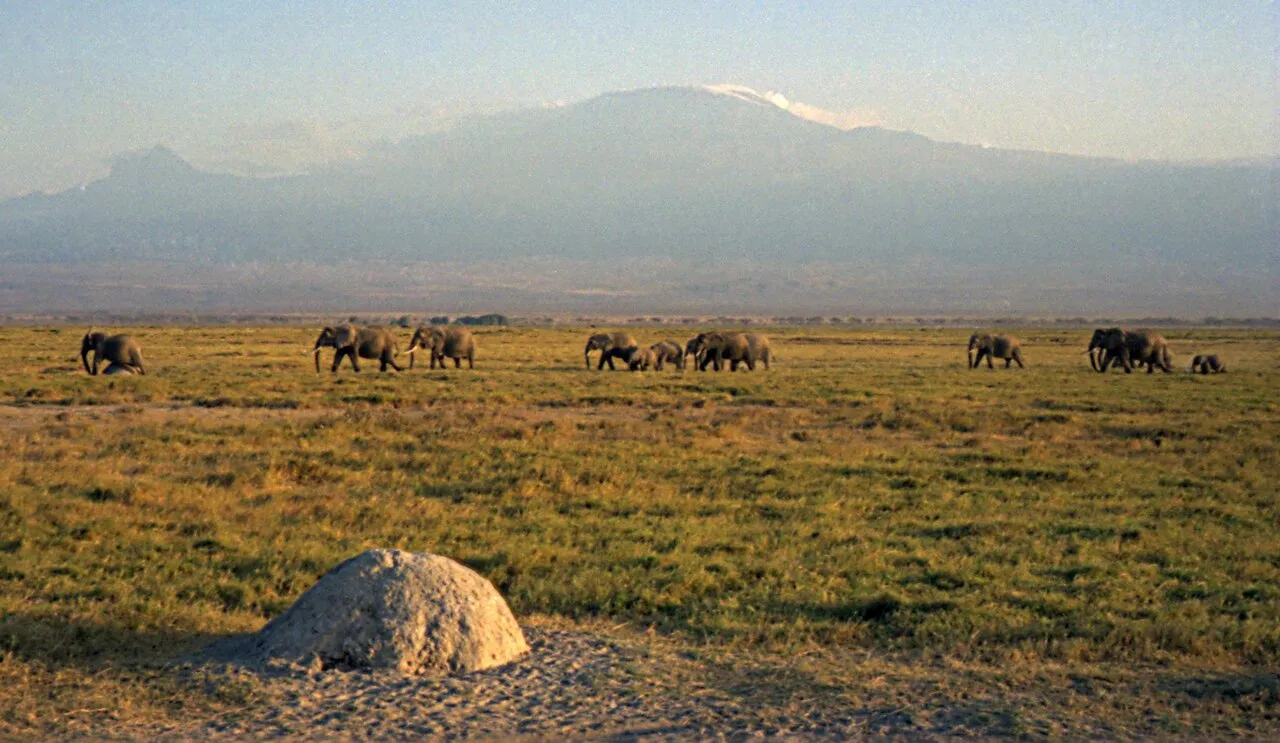
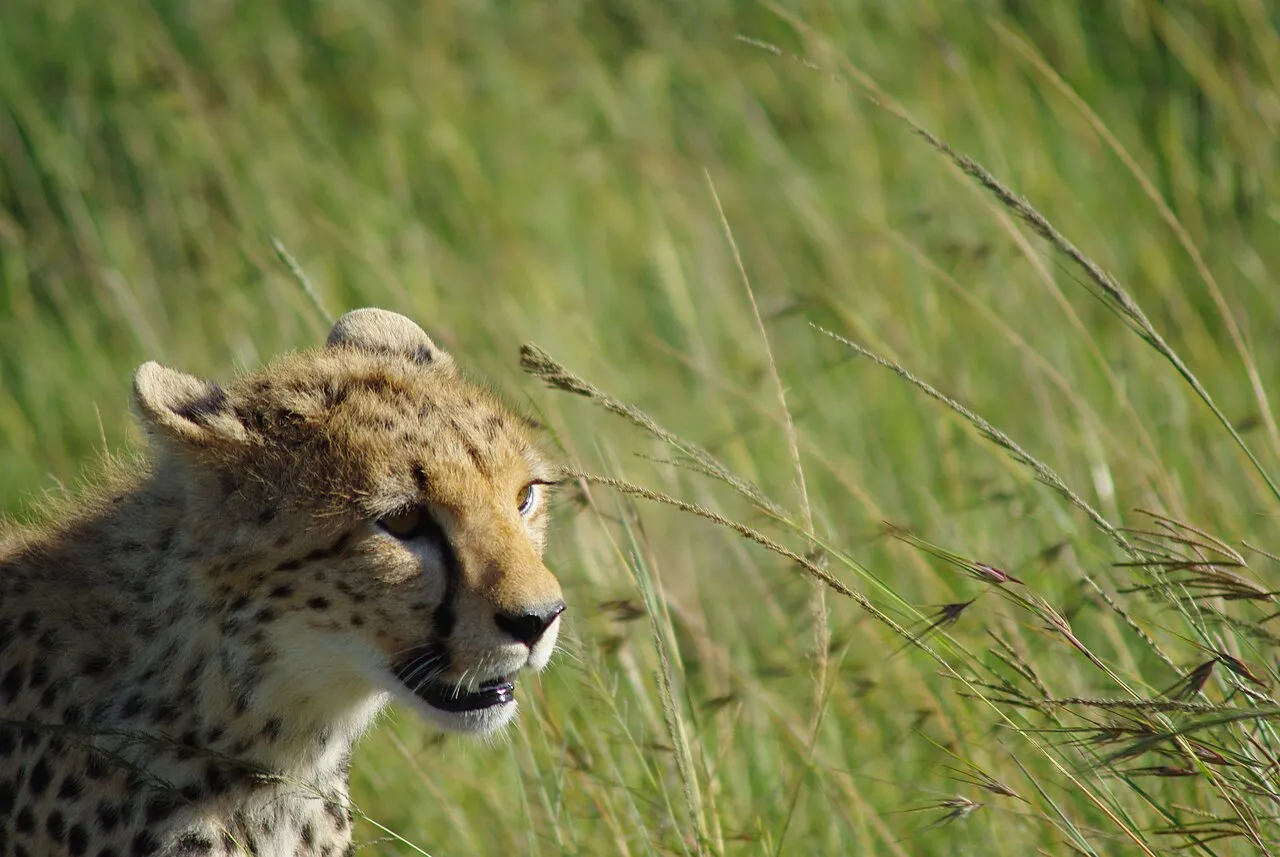
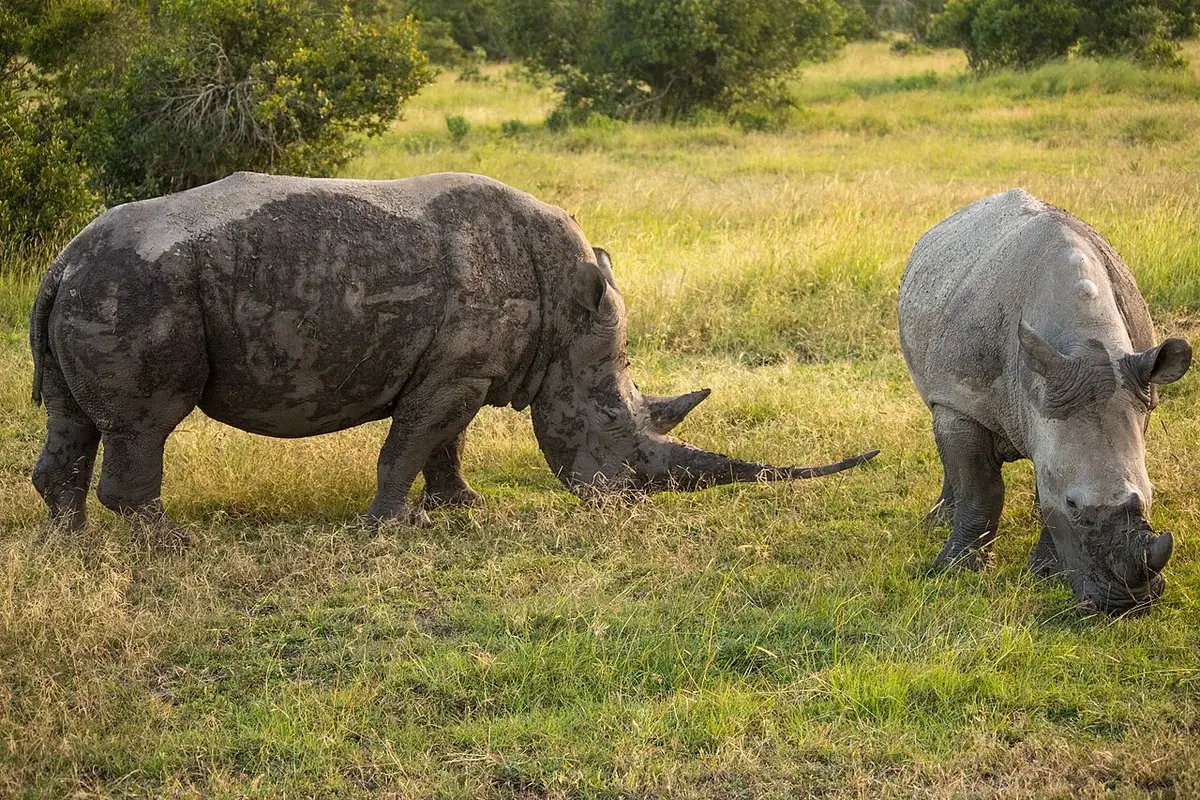
Laikipia holds Kenya's second-largest elephant population, strong numbers of lion and African wild dog, and at Ol Pejeta Conservancy, the world's last two northern white rhinos alongside a substantial black rhino sanctuary.
03
Conservation built into the model
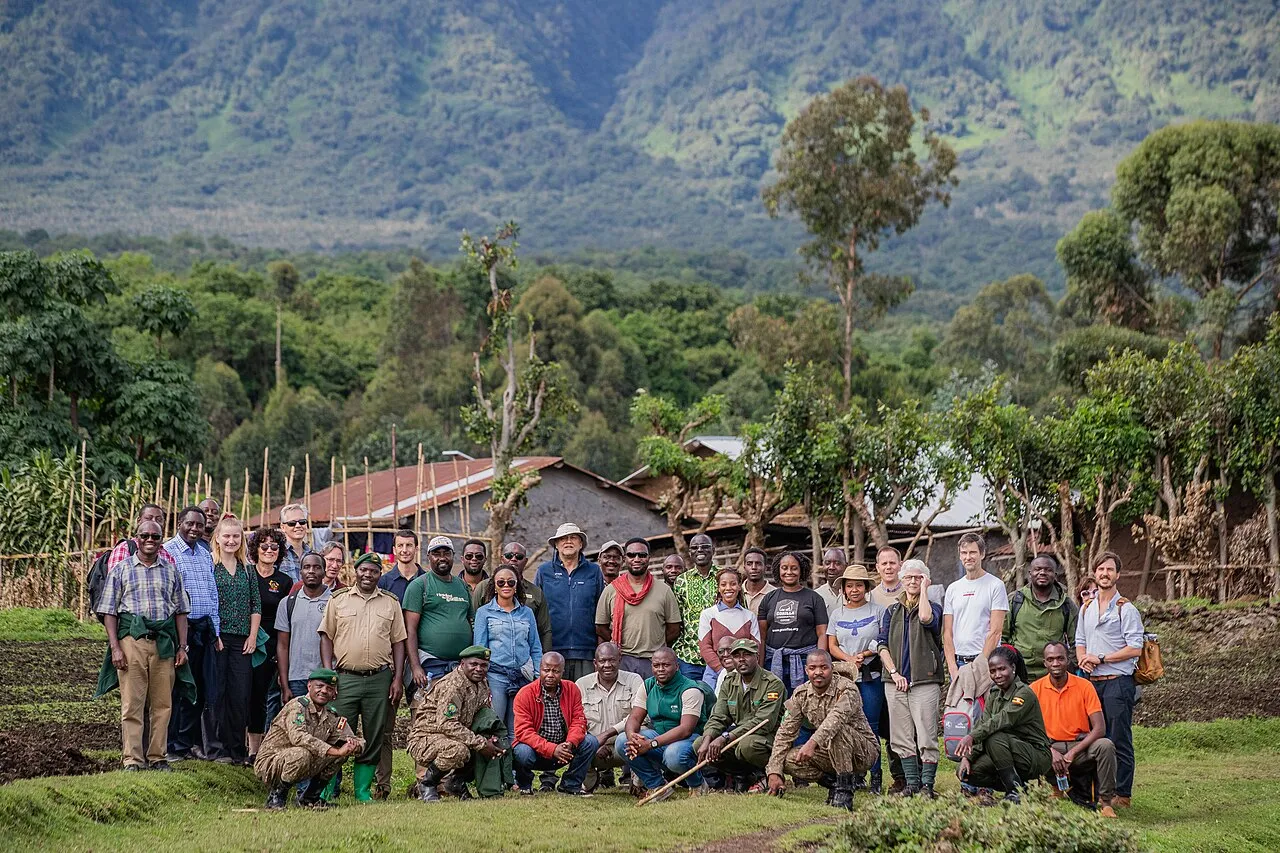
Much of Laikipia is community-owned, with tourism revenue funding schools, water infrastructure and anti-poaching patrols — staying here channels money directly into one of the more effective conservation models on the continent.
04
Who gets the most out of it
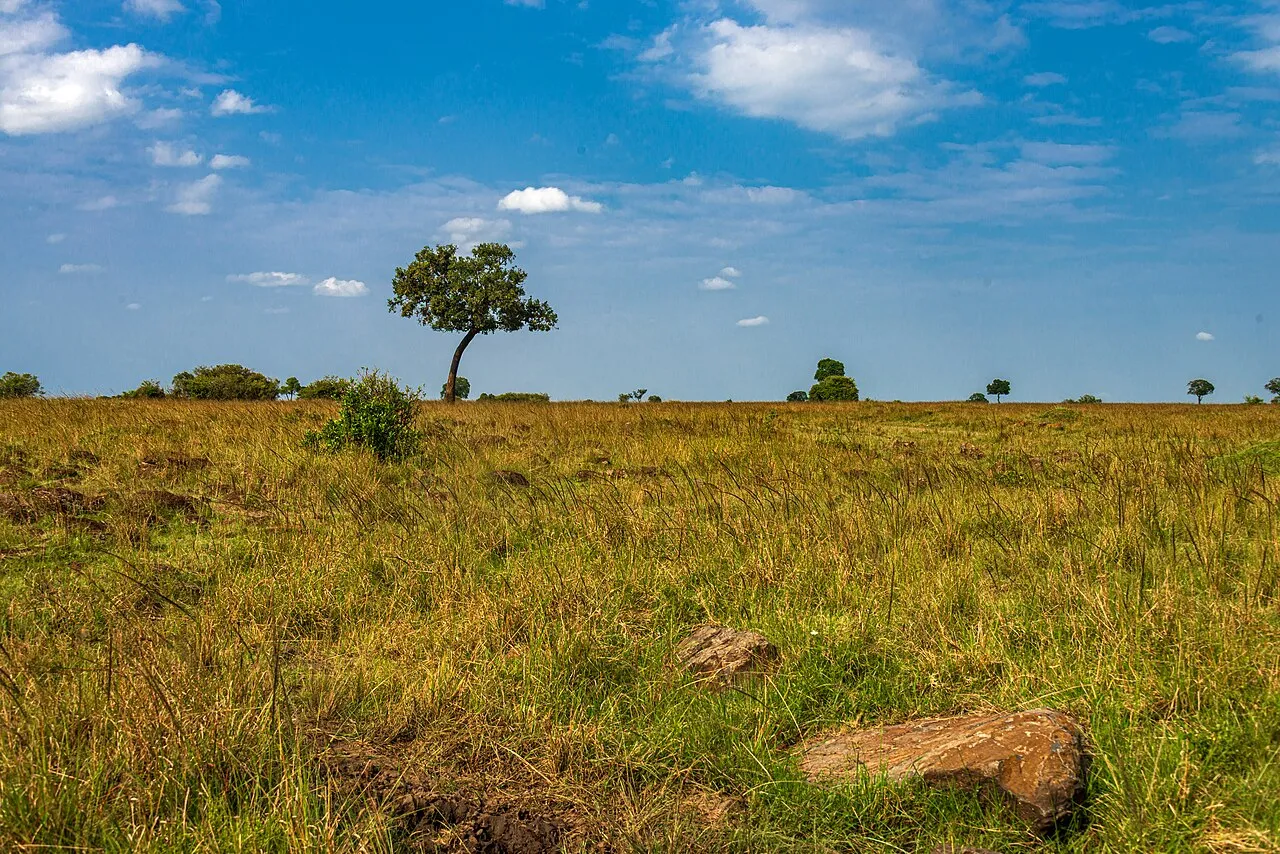
Active travellers, repeat safari-goers who've already done the Mara, and families with teenagers tend to enjoy Laikipia most. Three to four nights pairs naturally with a stay in Samburu to the north.
Dos
- Wear neutral colours — khaki, olive, sand
- Pack layers for cold early game drives
- Stay seated and keep voices low near animals
- Follow your guide's instructions at all times
- Drink plenty of water and use sunscreen
Don'ts
- Don't wear bright colours, white or camouflage
- Don't feed or call to animals
- Don't leave the vehicle unless your guide says so
- Don't use drones — they need special permits
- Don't bring plastic bags (banned in Kenya and Tanzania)
What's usually included
- Accommodation in your chosen level
- Meals as listed in your itinerary
- Game drives with a professional guide
- Park and conservancy entry fees
- Airport pick-up and drop-off
- Drinking water in the vehicle
Usually not included
- International flights
- Visa fees
- Travel insurance
- Tips for guides and camp staff
- Personal items and souvenirs
- Premium drinks unless all-inclusive
- Optional activities not in your itinerary
Keep exploring
Your trip price, without guesswork
Your accommodation and flights need a quote for your dates, room arrangement and availability. Compare the full journey total, not a nightly headline: meals, transport, guiding, entry fees and optional activities should be clear. Published tariffs may change; we reconfirm the applicable fees before you book.
Our editorial values
Original travel guidance by Dennis Njoroge, CEO of Perch Africa Safaris. Wildlife and weather are never guaranteed. Published fees link to their authority sources; camp and flight prices are confirmed for your own journey. You receive your full itinerary and matching proforma before payment.
Related on Perch Africa
Why settle for a brochure safari
Plan Kenya travel with a team that plans it around you
- Private guide and vehicle
- Named stays and itemised costs
- Availability checked before confirmation
Planning laikipia: walking safaris, camels and conservation?
Get a free, costed itinerary with real availability. No payment and no commitment until you are happy.
Frequently asked questions
Is Laikipia a sensible choice for a first safari?
It can work well, especially for active travellers, though most first-timers still combine it with the Maasai Mara for the classic big-herd experience.
When is the best time to visit Laikipia?
June to October and January to February are the driest months, though the plateau offers a worthwhile safari year-round.
What makes Laikipia different from a national park safari?
Private land status means activities like walking, camel treks and night drives are permitted here in ways national reserves generally restrict.