The Big Five: what they are and where to see them
The term Big Five was coined by hunters, not conservationists, and today simply describes the five animals everyone most wants to see. Here is where each is realistically found.
Big Five Safari · African safari holidays
If seeing the Big Five is your goal, plan for habitats and time rather than promises. The phrase Big Five originally referred to the five animals considered most dangerous to hunt on foot, a hunting-era term that has since been repurposed to describe the five creatures most safari travellers hope to see: lion, leopard, elephant, buffalo and rhino.
Here is where each is most reliably spotted across East Africa, and how to realistically plan for all five on a single trip.
Where the Big Five are most reliably seen
| Animal | Difficulty to find | Strongest regions |
|---|---|---|
| Lion | Easy | Mara, Serengeti, Ngorongoro |
| Leopard | Moderate to difficult | Mara riverine forest, Samburu, Seronera |
| Rhino | Difficult | Ngorongoro, Ol Pejeta, Lewa, Lake Nakuru |
Highlights
- Lion and leopard
- Elephant and buffalo
- Rhino, the hardest to find
- Fitting all five into one trip
01
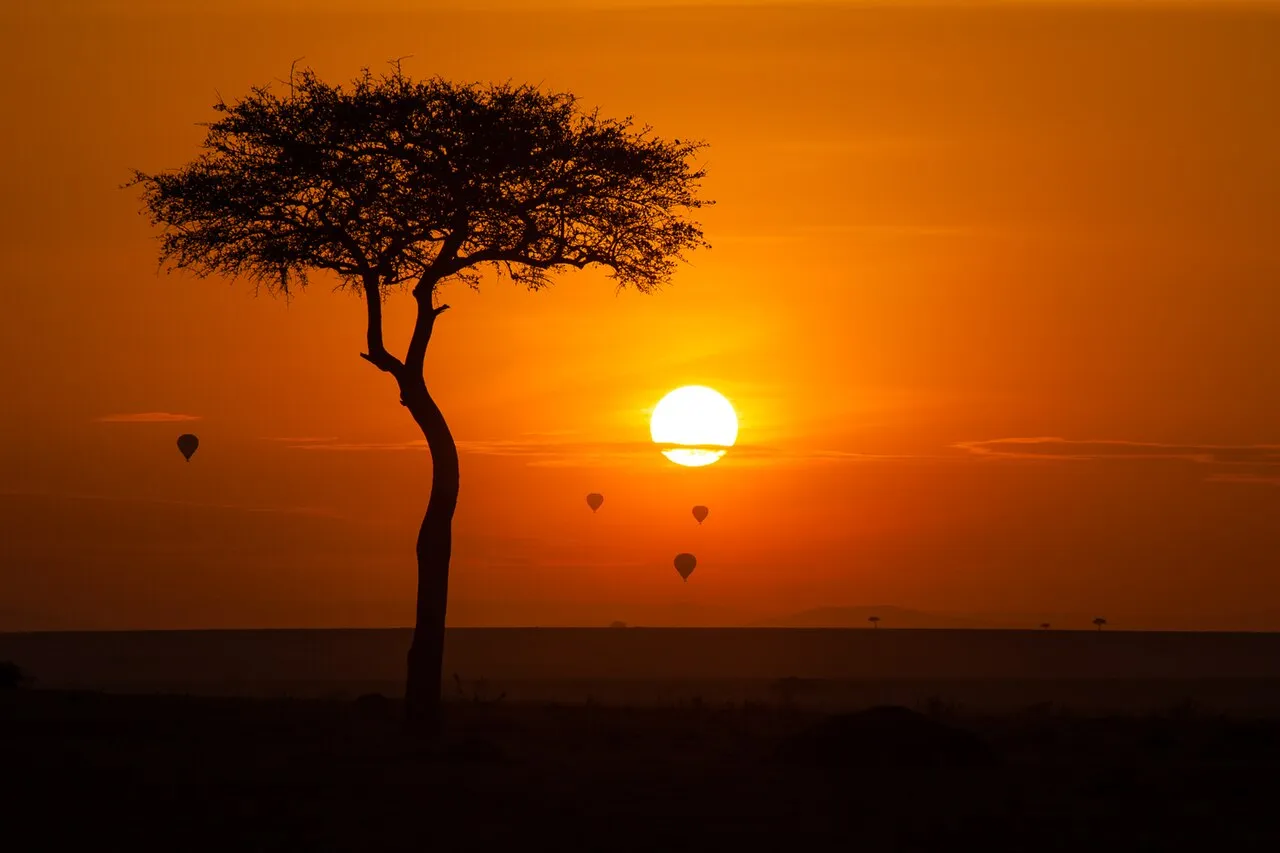
Lion and leopard
Lions are generally the easiest of the five to find, with the Mara, Serengeti and Ngorongoro Crater all offering strong, near-reliable sightings. Leopards are more elusive, and the Mara's riverine forest, Samburu and the Seronera valley are among the most dependable territories for spotting one.
02
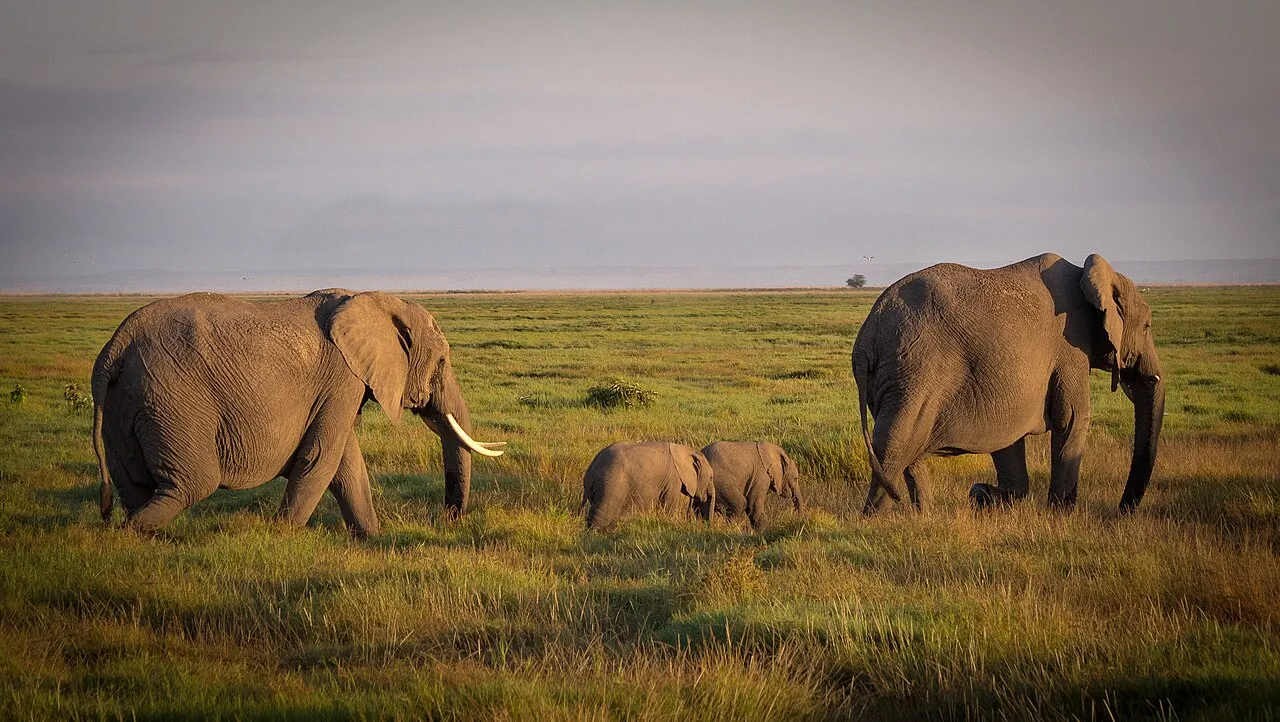
Elephant and buffalo
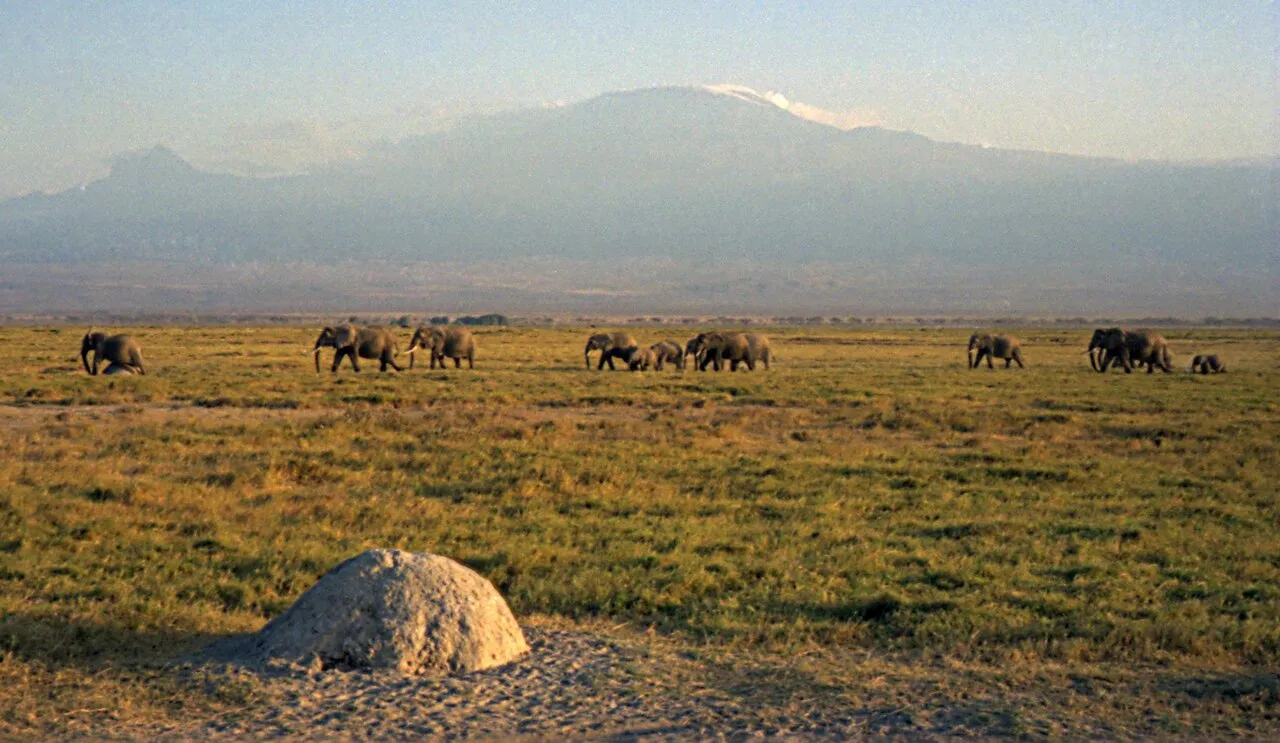
Elephants turn up widely across East Africa, though Amboseli's large tuskers set against Kilimanjaro and Tarangire's huge dry-season herds stand out as particular spectacles. Buffalo are common throughout the major parks, often gathering in herds numbering in the hundreds.
03
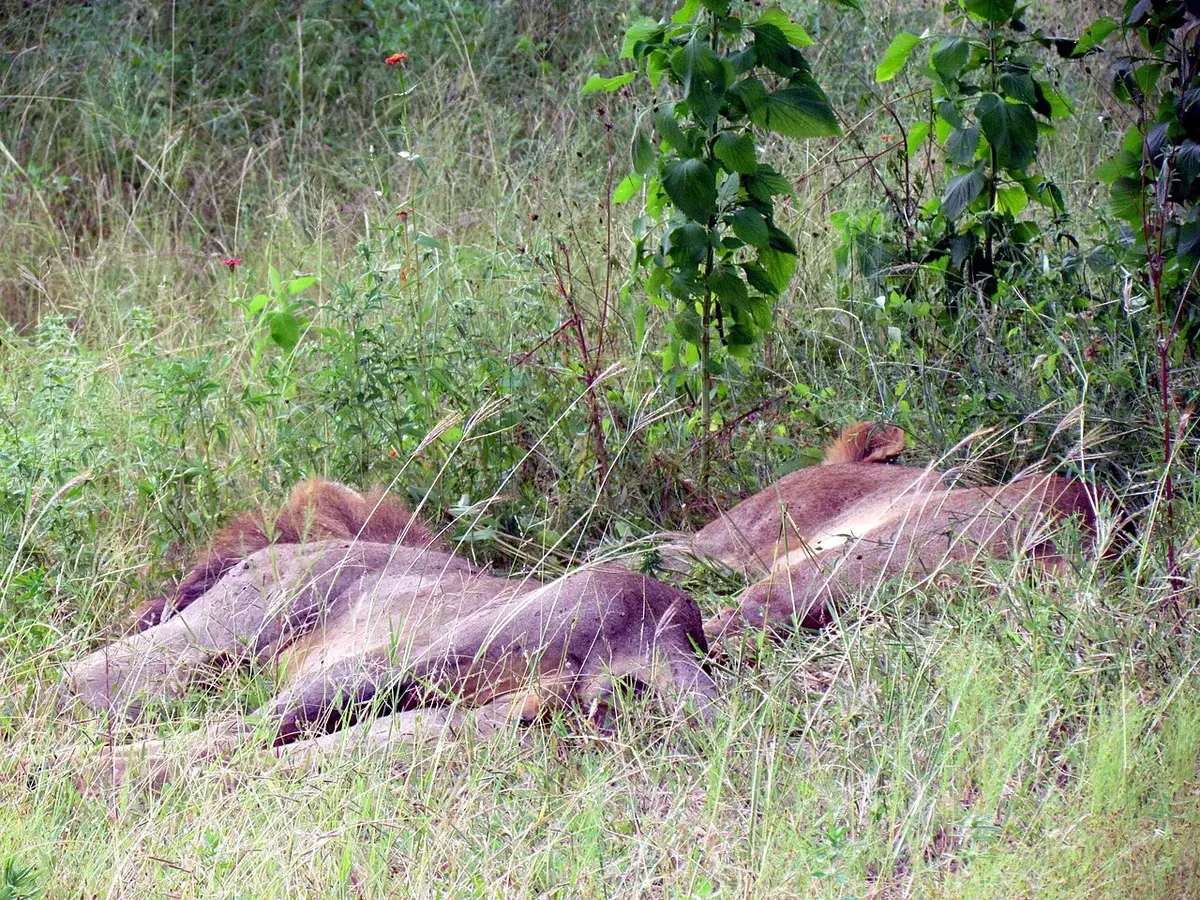
Rhino, the hardest to find
Black rhino are the limiting factor for most travellers chasing all five. The Ngorongoro Crater offers some of the most reliable sightings, while in Kenya, Ol Pejeta and Lewa conservancies along with Lake Nakuru are known strongholds worth routing a trip around if rhino matter to you.
04
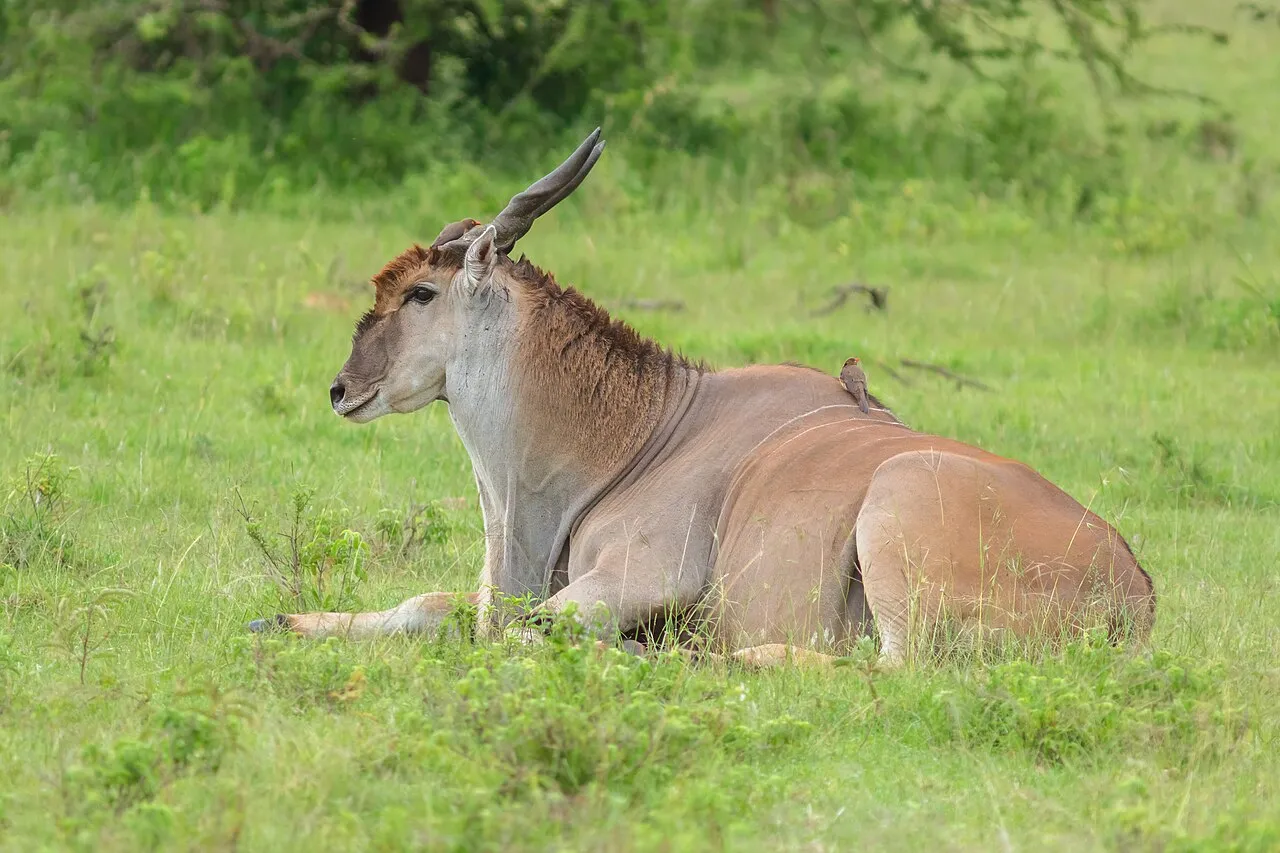
Fitting all five into one trip
A combination covering the Mara and Ngorongoro, or a Kenya-focused trip including Laikipia or Nakuru, makes seeing all five genuinely realistic within about a week, provided the route is planned with that goal in mind from the start.
Dos
- Wear neutral colours — khaki, olive, sand
- Pack layers for cold early game drives
- Stay seated and keep voices low near animals
- Follow your guide's instructions at all times
- Drink plenty of water and use sunscreen
Don'ts
- Don't wear bright colours, white or camouflage
- Don't feed or call to animals
- Don't leave the vehicle unless your guide says so
- Don't use drones — they need special permits
- Don't bring plastic bags (banned in Kenya and Tanzania)
What's usually included
- Accommodation in your chosen level
- Meals as listed in your itinerary
- Game drives with a professional guide
- Park and conservancy entry fees
- Airport pick-up and drop-off
- Drinking water in the vehicle
Usually not included
- International flights
- Visa fees
- Travel insurance
- Tips for guides and camp staff
- Personal items and souvenirs
- Premium drinks unless all-inclusive
- Optional activities not in your itinerary
Keep exploring
Your trip price, without guesswork
Your accommodation and flights need a quote for your dates, room arrangement and availability. Compare the full journey total, not a nightly headline: meals, transport, guiding, entry fees and optional activities should be clear. Published tariffs may change; we reconfirm the applicable fees before you book.
Our editorial values
Original travel guidance by Dennis Njoroge, CEO of Perch Africa Safaris. Wildlife and weather are never guaranteed. Published fees link to their authority sources; camp and flight prices are confirmed for your own journey. You receive your full itinerary and matching proforma before payment.
Related on Perch Africa
Why settle for a brochure safari
Plan Kenya travel with a team that plans it around you
- Private guide and vehicle
- Named stays and itemised costs
- Availability checked before confirmation
Planning the big five: what they are and where to see them?
Get a free, costed itinerary with real availability. No payment and no commitment until you are happy.
Frequently asked questions
Can the Big Five be guaranteed on a trip?
No operator can promise wildlife sightings. Including a rhino conservation area and allowing several wildlife-viewing days gives you more opportunities without turning your holiday into a checklist.
Why aren't cheetah included in the Big Five?
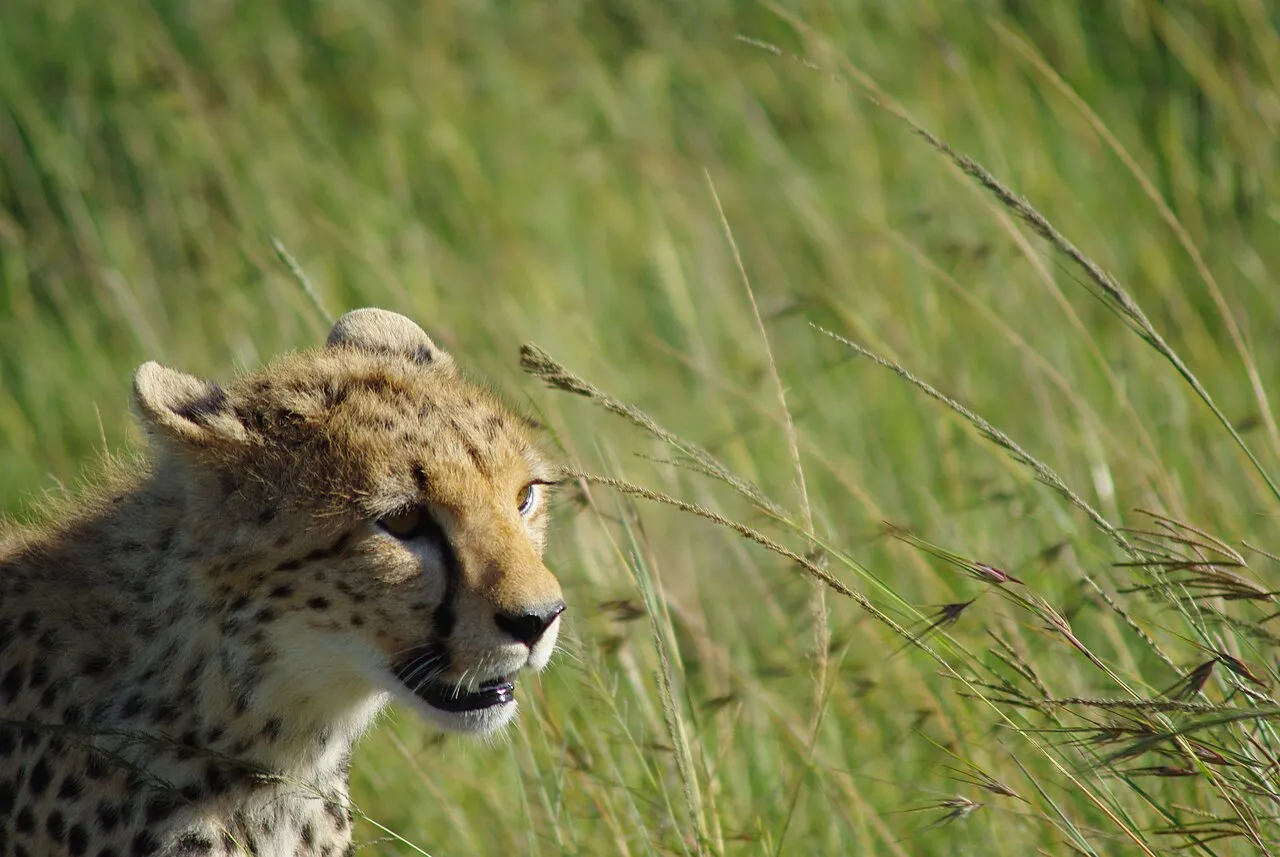
The term originated from hunting difficulty rather than popularity, so cheetah, giraffe and hippo were simply never part of the original grouping.
Is there a single park that has all five?
Ngorongoro Crater comes closest to offering all five in one location, though leopard sightings there still require some luck. Pairing the Mara with a dedicated rhino conservancy is usually the more reliable bet.