
Time it with the seasons
July to October is the long dry season and the classic Great Migration window in the Maasai Mara. January to February is also dry and quieter. The long rains usually fall from April to May.
Kenya safari blog
Practical advice and wildlife insight from our Nairobi team, plus stories shared by our guests.
July to October is the long dry season and the classic Great Migration window in the Maasai Mara. January to February is also dry and quieter. The long rains usually fall from April to May.
Pair the Mara's plains with Lewa or Samburu in the north, or Amboseli beneath Kilimanjaro, for contrasting landscapes and wildlife rather than repeating the same scenery.
Scheduled light-aircraft flights from Nairobi's Wilson Airport reach most major parks in about an hour, replacing long road transfers.
Light aircraft limit luggage to around 15 kg in soft bags. Choose khaki, olive and tan clothing, layers for cold early drives, and a good pair of binoculars.
Private conservancies such as Lewa allow night drives, walking safaris and off-road sightings, with fewer vehicles at each sighting.
Apply for Kenya's electronic travel authorisation before you fly, and ask your doctor about yellow fever and malaria advice for your route.
Lewa Wildlife Conservancy, together with Borana, protects one of Kenya's largest populations of both black and white rhinos.
The endangered Grévy's zebra, with narrow stripes and large round ears, is found mainly in northern Kenya, including Lewa and Samburu.
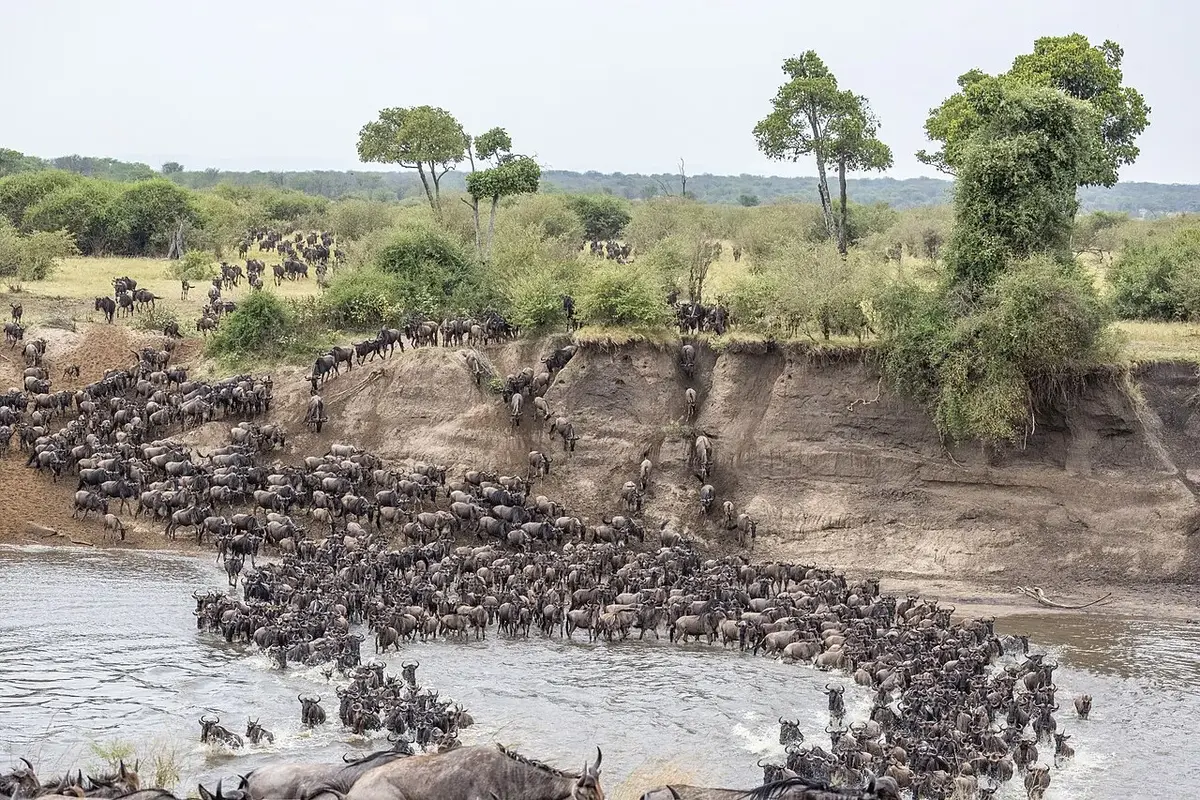
During the migration, wildebeest and zebra cross the Mara River in dramatic herds, facing Nile crocodiles waiting in the water.
Amboseli is famous for large elephant families and some of Africa's longest-studied elephants, set against Mount Kilimanjaro.
Samburu is home to the reticulated giraffe, Grévy's zebra, Beisa oryx, gerenuk and Somali ostrich, all adapted to the dry north.
Rift Valley soda lakes such as Nakuru and Bogoria can host huge flocks of lesser flamingos feeding on algae.
Guest stories will appear here once approved. Travelled with us? Share your story.
More reading: Safari journal
Kenya safaris
From the Maasai Mara Great Migration to rhino tracking in Lewa Wildlife Conservancy, our Nairobi team designs and books tailor-made Kenya safari holidays.
New to Kenya? Read our Kenya safari blog for travel tips, wildlife facts and guest stories.
Not every safari company. The safari company.
Anyone can send you a brochure. We build your journey with named stays, verified availability and every cost shown before you commit — then save the finest sighting for your final golden hour.
01
Your dates, pace, interests and budget shape the route. We order every stop logically and keep the strongest experience for the finish.
02
Your safari is not a shared departure. Leave when you are ready, stay longer at a sighting and adjust each day with your guide.
03
You see the proposed camps, transfers, flights, park fees, inclusions and exclusions before you decide—not just a headline price.
04
Suggested stays remain suggestions until checked. We verify the space for your dates before issuing the booking offer.
05
Change the route, number of nights, camp level or transport until the journey fits. Nothing is booked until you approve it.
06
The itinerary, quote and booking details stay aligned. A 50% deposit secures the approved trip, with the balance paid closer to travel.